Насколько распространено выпадение волос у женщин?
Выпадение волос у женщин встречается значительно чаще, чем принято думать. По оценкам исследований, примерно у 40% женщин заметное выпадение волос наблюдается уже к 50 годам, а к 70 годам этот показатель достигает 55%. Несмотря на такую распространённость, женскому выпадению волос уделяется меньше клинического внимания, и о нём реже говорят открыто, чем о мужском облысении.

Женщины переживают выпадение волос иначе, чем мужчины. Если мужское облысение развивается по предсказуемой шкале Норвуда, то женское выпадение чаще носит диффузный характер — затрагивает всю кожу головы, а не прогрессирует по чёткой схеме. Из-за этого оно выглядит иначе, тяжелее переносится психологически и сложнее диагностируется.
6 основных типов выпадения волос у женщин
1. Женское андрогенетическое выпадение волос (FPHL)
Самый распространённый тип — на него приходится около 50% случаев выпадения волос у женщин. FPHL вызвано сочетанием генетической предрасположенности и чувствительности к андрогенам. В отличие от мужского облысения, у женщин FPHL обычно проявляется как диффузное поредение на макушке и верхней части головы, при этом линия роста волос спереди, как правило, сохраняется. Шкала Людвига классифицирует тяжесть от I степени (лёгкое расширение пробора) до III степени (выраженное поредение по всей макушке).
2. Телогеновая алопеция (телогеновое выпадение)
Диффузное, временное выпадение, вызванное физиологическим стрессом для организма — родами (послеродовое выпадение), тяжёлым заболеванием, серьёзной операцией, резкой диетой или значительным эмоциональным стрессом. Телогеновое выпадение обычно проявляется через 2–3 месяца после провоцирующего фактора и проходит в течение 6–12 месяцев, если устранена первопричина. Это самая частая причина внезапного выпадения волос у женщин.
3. Тракционная алопеция
Возникает из-за постоянного механического натяжения волос при тугих причёсках — косичках, наращённых волосах, афрокосичках или тугих хвостах. Тракционная алопеция классически затрагивает линию роста волос и виски. При раннем выявлении она обратима. Если фолликулы необратимо повреждены рубцами из-за хронического натяжения, может потребоваться пересадка волос.
4. Очаговая алопеция (Alopecia areata)
Аутоиммунное заболевание, вызывающее очаговое выпадение волос. У женщин очаговая алопеция может переноситься особенно тяжело, поскольку может возникать в любой части кожи головы, включая линию роста волос, и прогрессировать до обширного выпадения. Активная очаговая алопеция является противопоказанием к пересадке волос.
5. Гормональное выпадение волос
Дисфункция щитовидной железы (как гипер-, так и гипотиреоз), синдром поликистозных яичников (СПКЯ) и гормональные изменения при менопаузе — все эти состояния могут вызывать диффузное поредение волос. Анализы крови — включая ТТГ, свободный Т4, андрогены, ферритин и витамин D — должны входить в диагностическое обследование при выпадении волос у женщин.
6. Фронтальная фиброзирующая алопеция
Рубцовая алопеция, преимущественно затрагивающая женщин в постменопаузе, вызывающая прогрессирующее отступление линии роста волос спереди и бровей. Требует наблюдения дерматолога — активная форма ФФА является противопоказанием к пересадке, однако стабильные рубцовые участки могут быть пригодны для восстановления.
Диагностика — как получить правильную оценку
Точная диагностика — основа эффективного лечения. Выпадение волос у женщин имеет множество причин — лечение не той причины означает потерю времени и денег.
Комплексная оценка выпадения волос у женщин должна включать:
- Подробный анамнез — начало, характер, семейная история, приём лекарств, недавние стрессовые факторы, гормональные события (беременность, менопауза)
- Осмотр кожи головы и трихоскопию (дерматоскопию кожи головы) — оценку здоровья фолликулов, миниатюризации и плотности волос
- Анализ крови: общий анализ крови, ферритин, гормоны щитовидной железы (ТТГ, Т3, Т4), андрогены (тестостерон, ДГЭА-С), витамин D
- Биопсию кожи головы при подозрении на рубцовую алопецию
Самодиагностика только по фотографиям недостаточна при выпадении волос у женщин. Перед началом любого лечения необходима полноценная оценка у трихолога или дерматолога.
Варианты лечения для женщин
Медикаментозное лечение
Миноксидил (5%, наружно): Препарат первой линии для лечения FPHL — единственное наружное средство с убедительной клинической доказательной базой для применения у женщин. Наносится один раз в день. 5% концентрация эффективнее 2% для женщин. В первые 4–6 недель возможно усиление выпадения. Для сохранения эффекта применение должно быть постоянным.
Спиронолактон: Антиандрогенный препарат, применяемый вне официальных показаний при FPHL у женщин. Блокирует андрогенные рецепторы на уровне фолликула. Эффективен у женщин с повышенным уровнем андрогенов (СПКЯ). Не подходит женщинам, которые могут забеременеть. Отпускается по рецепту.
Финастерид: У женщин рутинно не применяется — существует значительный тератогенный риск у женщин детородного возраста. Может рассматриваться у женщин в постменопаузе под наблюдением специалиста.
PRP: Инъекции плазмы, обогащённой тромбоцитами, демонстрируют обнадёживающие результаты при FPHL и телогеновом выпадении. Хорошо работает как дополнение к наружной терапии и восстановлению после операции.
Хирургический вариант — пересадка волос для женщин
При правильной оценке женщины могут быть отличными кандидатами на пересадку волос. Ключевые моменты:
- FPHL у женщин часто носит диффузный характер — донорская зона также может быть затронута, что ограничивает количество доступных графтов
- Трихоскопическая оценка плотности донорской зоны обязательна
- Перед операцией требуется стабилизация выпадения или активное медикаментозное лечение
- Тракционная алопеция с необратимыми рубцами — отличное показание для пересадки
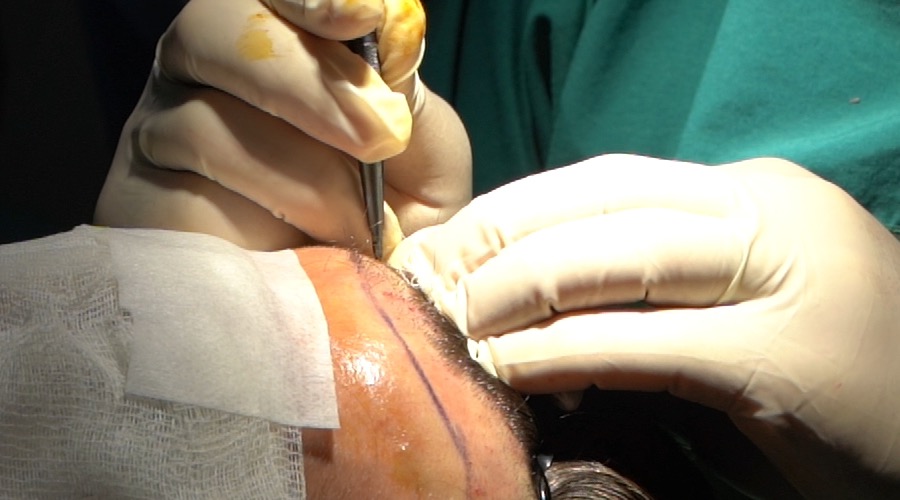
- Процедуры по опусканию линии роста волос (снижение природно высокой линии роста) подходят женщинам любого возраста
В клинике Hairmedico женщины составляют примерно 15% пациентов. У доктора Арслана Мусбеха есть отдельный опыт восстановления волос по женскому типу, коррекции тракционной алопеции и дизайна линии роста волос для женщин.
Узнать больше о пересадке волос для женщин →
Когда пересадка волос — правильный выбор для женщины?
Пересадка волос подходит женщинам, когда:
- Есть локализованная, стабильная зона облысения или значительного поредения (тракционная алопеция, отступление линии роста волос, поредение на макушке при стабильной FPHL)
- Трихоскопия донорской зоны подтверждает достаточную плотность в участках, не затронутых FPHL
- Медикаментозное лечение уже было опробовано и оказалось недостаточным
- Причина выпадения волос не связана с активным аутоиммунным или воспалительным процессом
Пересадка волос не подходит, если выпадение носит диффузный, активный и прогрессирующий характер по всей коже головы — поскольку донорская зона в этом случае может быть скомпрометирована. Именно поэтому оценка донорской зоны имеет более критическое значение у женщин, чем у мужчин.
Бесплатная консультация для женщин: доктор Арслан Мусбех лично оценивает случаи выпадения волос у женщин. Отправьте фотографии кожи головы (сверху, спереди, по бокам) через WhatsApp или по электронной почте. Вы получите клиническую оценку и рекомендацию по лечению в течение 24 часов.
Отправьте 3 фотографии. Личный разбор и оценка количества графтов в течение 24 часов.