01 · Bespoke Assessment
Free photo review
Submit three photographs. Dr. Arslan reviews every case personally within 24 hours and tells you plainly whether surgery is the right next step.
Surgeon-led hair restoration clinic in Levent, Istanbul since 2005.
Explore all →Send 3–5 photographs. Personal response within 24 hours — no intermediaries.
Request Now →Selected for your specific hair loss pattern and aesthetic goals.
FUE vs DHI →FUE, DHI or Algorithmic FUE™ — Dr. Arslan recommends based on your photographs and Norwood stage.
Get Assessment → Try Graft Calculator →FUE Europe member. Ministry of Health accredited clinic. Levent, Istanbul — 60–80% less than UK or US.
View Package →FUE Europe member. Ministry of Health accredited. 17+ years. 3,000+ personal procedures. One patient per day.
Full Profile →One patient a day, every package surgeon-led. Every result personally accountable.
Read Philosophy →No hidden costs. Hotel, transfers, surgery and aftercare in one price.
View Pricing →Silver · Gold · VIP — 5-star hotel · Airport transfers · PRP included
View Pricing → Graft Calculator →Every case personally overseen by Dr. Arslan Musbeh, from consultation to results.
Full Gallery →Not every case needs a transplant. Medical treatments, therapies and specialist options.
Overview →Guides, tools and expert content — written by Dr. Arslan Musbeh.
All Articles →How to protect your results in the first weeks — washing, sleeping position, activity, and the warning signs to contact us about.
The Process
From your first photographs to a full result at 12 months, with Dr. Arslan Musbeh involved at every stage.
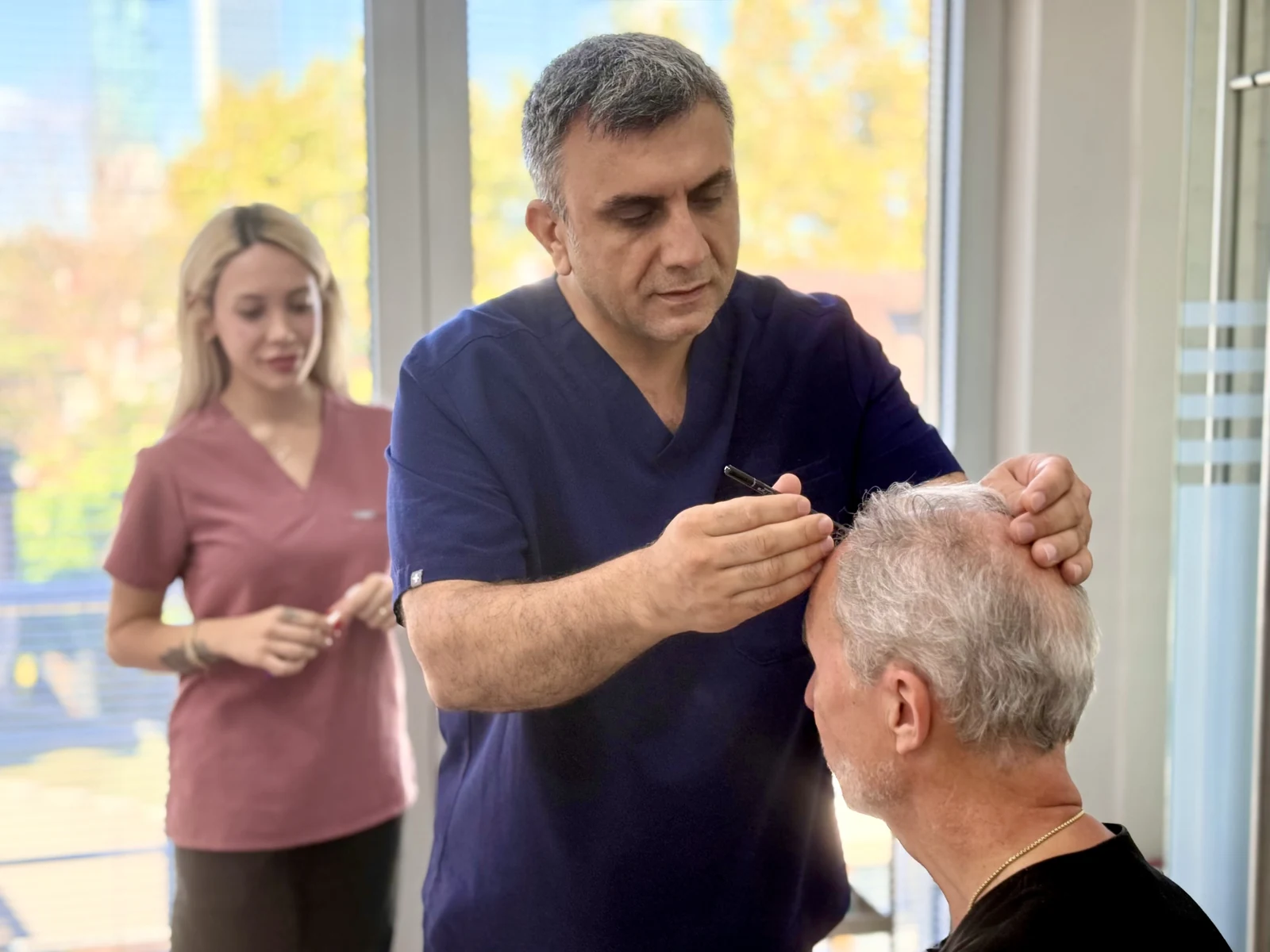
01 · Bespoke Assessment
Submit three photographs. Dr. Arslan reviews every case personally within 24 hours and tells you plainly whether surgery is the right next step.
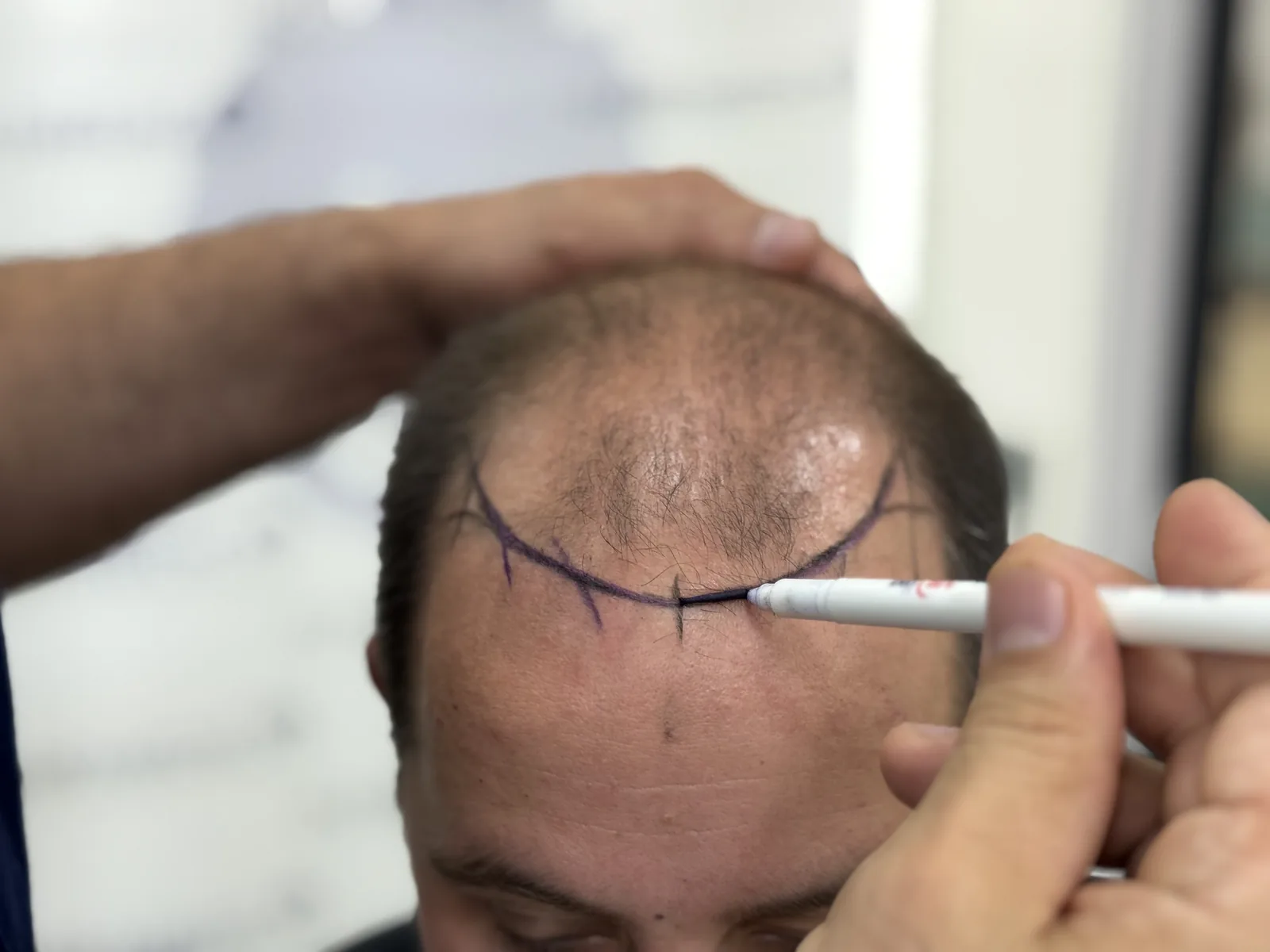
02 · Technique & Plan
FUE, DHI or Algorithmic FUE™ is confirmed by the surgeon directly, with a graft estimate and a fixed, all-inclusive price.
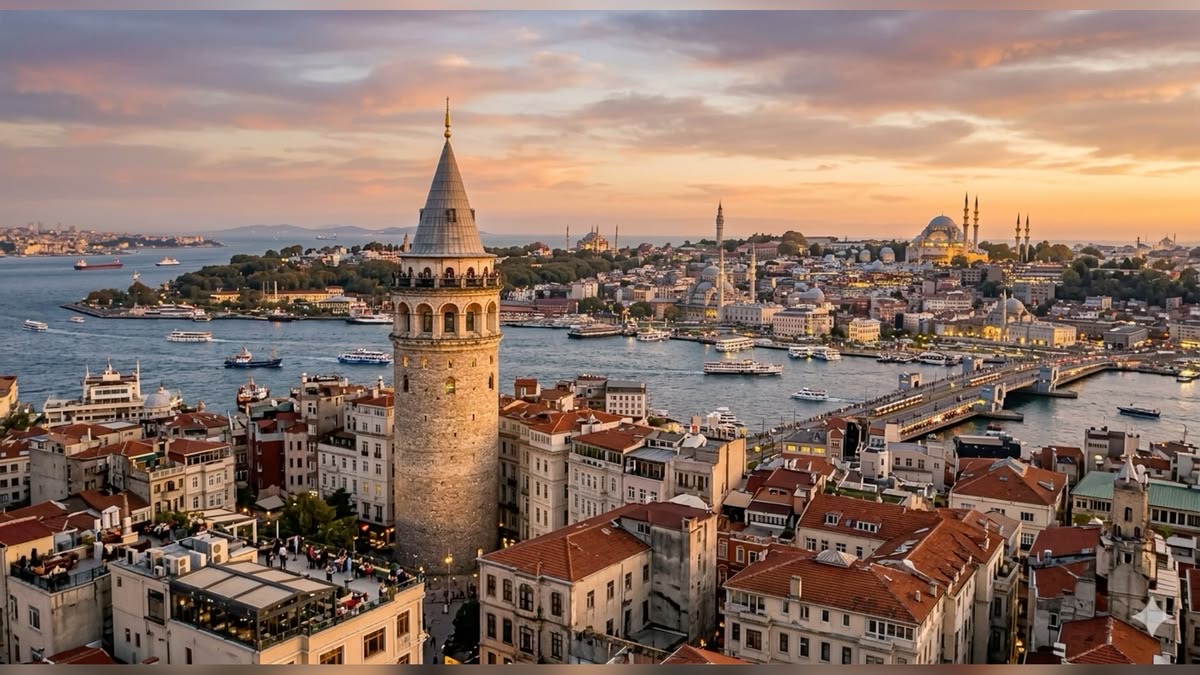
03 · Arrival Istanbul
A VIP transfer meets you at the airport and takes you to your 5-star hotel, followed by a pre-op consultation day at the Levent clinic.
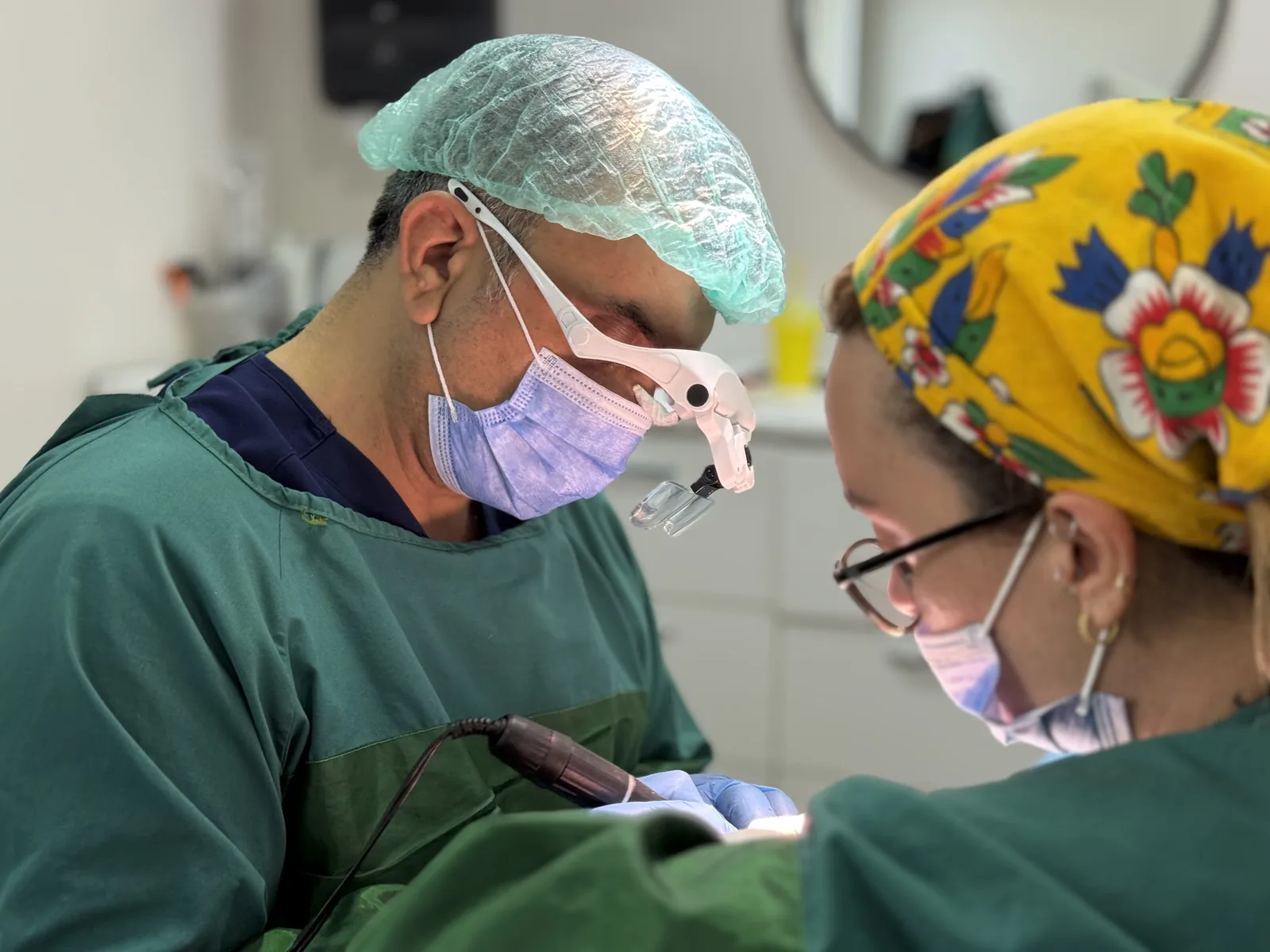
04 · Surgery Day
Dr. Arslan personally leads every package, performing the channel-opening incision himself in Gold and VIP. You are the only patient in the clinic that day.
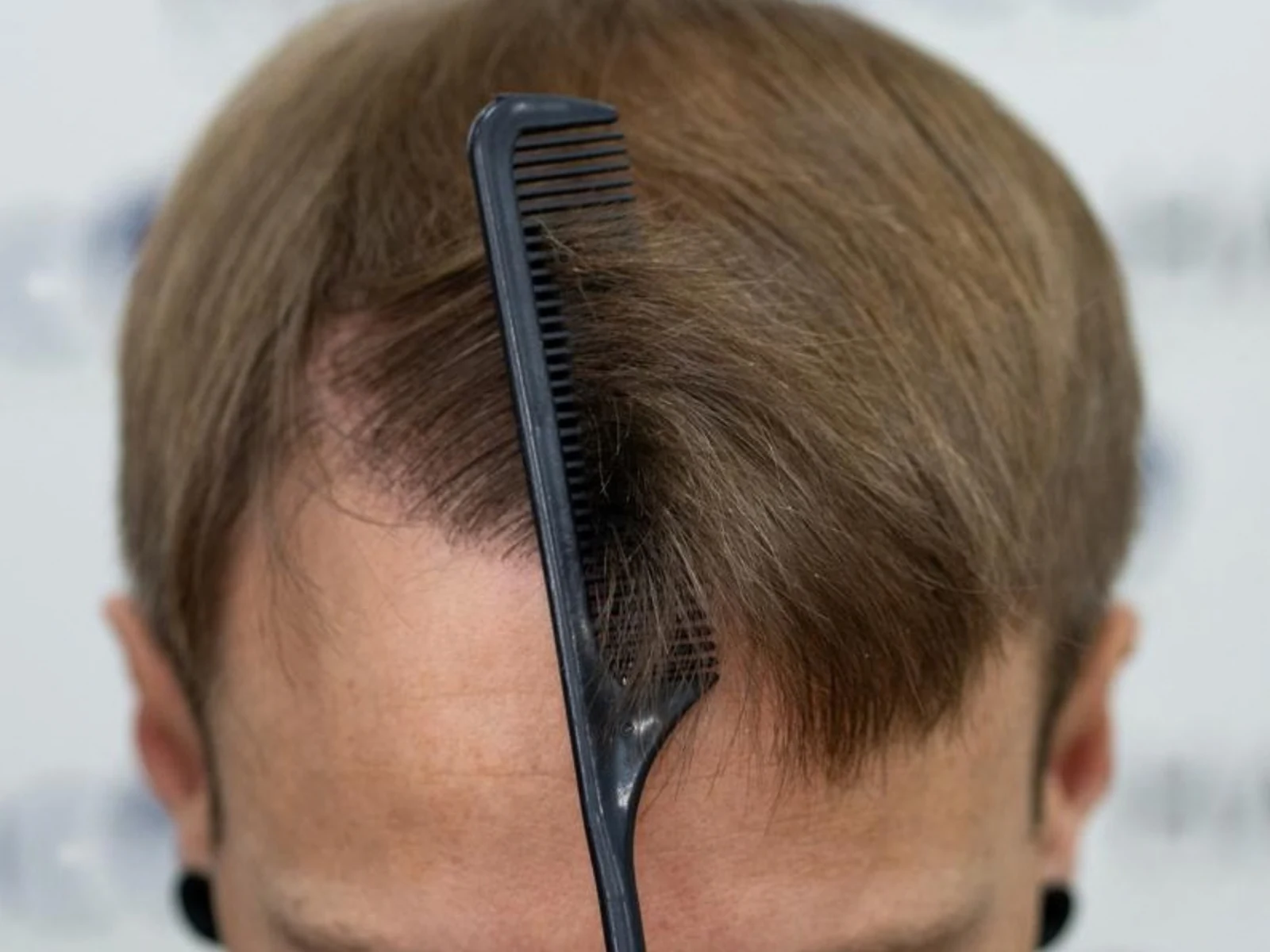
05 · Results at 12 Months
Full result visible at around 12 months. Our team supports you through 12 months of follow-up, including the first wash at the clinic.
The first two weeks after a hair transplant are the most critical for graft survival. Following these instructions precisely directly affects your final result.
During this window the grafts are not yet permanently anchored — each one depends on new capillary ingrowth from the surrounding tissue to build its own blood supply, a process called revascularisation. Until that is complete, friction, pressure or premature scratching can dislodge a graft before it has taken hold. That is why the day-by-day instructions below are followed precisely rather than treated as general advice, and why our team stays reachable by WhatsApp throughout — if anything feels wrong, ask before acting.

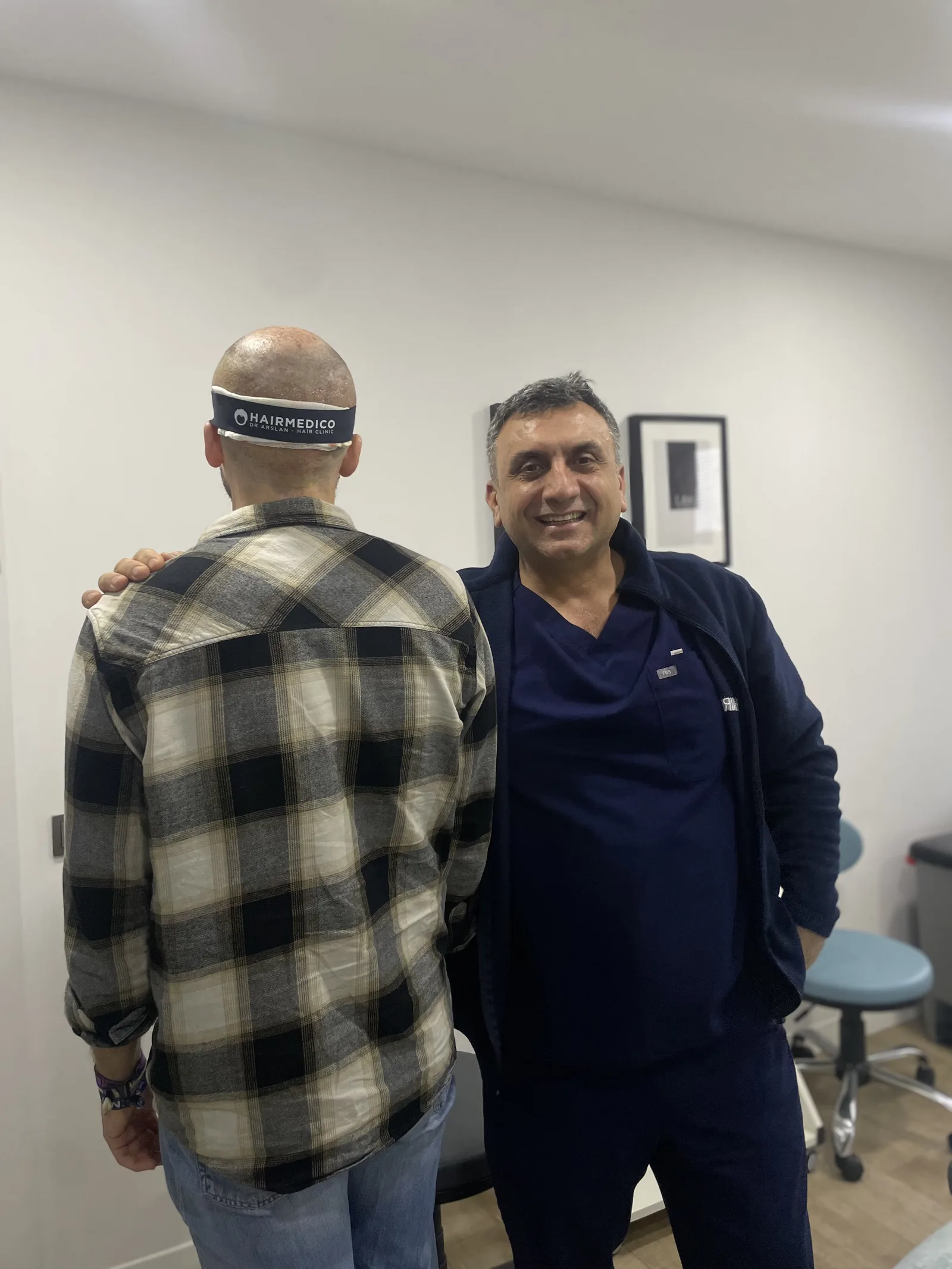
Some swelling is expected after any hair transplant — it is not a complication. Fluid from the local anaesthetic and the body's own healing response settle in the loose tissue of the forehead, and because there is no rigid barrier down to the eyelids, this fluid can migrate over the following 2–4 days and appear as puffiness or mild bruising around the eyes. Swelling typically peaks around day 3–4 and recedes rapidly after day 5; DHI patients and larger sessions of 3,000+ grafts tend to notice slightly more of it than smaller FUE sessions. See the full swelling timeline guide →
To keep it manageable: sleep with the head elevated at 30–45° for the first 5–7 nights, apply a cold — never frozen — compress to the forehead only during the first 48 hours (never directly on the grafted area), avoid bending forward or lying flat, and keep meals light on salt for the first week. Pain itself is usually mild — most patients rate it 2–3 out of 10 in the first 48 hours, managed with paracetamol, and most report no pain at all by day 3–4. The donor area at the back of the head is typically more noticeable than the recipient area. See the pain management guide →
Nicotine narrows blood vessels and reduces the blood flow your scalp needs to feed the newly placed grafts during the revascularisation window. Avoid smoking, vaping and nicotine pouches entirely from day 0 through day 10 — the most critical stretch — and ideally through day 30; the risk falls sharply from month 2 once the follicles are fully vascularised. Clinical comparisons of smokers against non-smokers have recorded 20–30% lower viable graft counts at 12 months in heavy smokers, so this instruction is worth taking seriously. Full detail in the smoking and graft survival guide →
Alcohol thins the blood and increases swelling — avoid it for the first 2 weeks. If you take prescribed blood thinners or anti-inflammatory medication for another condition, tell Dr. Arslan's team before surgery so the timing can be planned around your procedure. Never stop a prescribed medication on your own without medical advice.


Answered by Dr. Arslan Musbeh.
First gentle wash is performed by Hairmedico staff on day 2. From day 3 you follow the Hairmedico washing protocol at home for the first 14 days.
Most patients return to desk work within 3–5 days. Physical labour and sports are paused for 3–4 weeks. Dr. Arslan Musbeh provides personalised instructions.
Yes. Fluid from the anaesthetic and the body's healing response settles in the forehead and can migrate around the eyes over 2–4 days, typically peaking around day 3–4 before resolving over the following week. This is a normal, gravity-driven process, not a complication.
Recovery is generally mild. Most patients rate discomfort 2–3 out of 10 in the first 48 hours, managed with paracetamol, and most report no pain at all by day 3–4. The donor area is usually more noticeable than the recipient area.
Unusual or worsening redness, any discharge, or increasing pain after day 5 should be reported immediately — these can indicate infection, which affects fewer than 1% of patients at accredited clinics. Small pimple-like bumps during the growth phase are common and not a concern; persistent pus, fever or spreading redness are not normal and need prompt attention.
After researching countless clinics, I specifically didn't want a "hair mill." Dr. Arslan is hands-on throughout the entire process. I came from Australia and the experience was seamless.
Dr. Arslan was present throughout the surgery and personally performed the majority of key procedures. His professionalism and dedication made all the difference.
I already see good hair growth after only 17 weeks. The professionalism of the team and facilities was excellent.
Dr. Arslan was incredibly professional — he explained all procedures clearly. The clinic was spotless and the staff were super friendly.
From first contact, communication was prompt, transparent and efficient. My expectations were surpassed by the services and attention I received.
After 5 years of research I chose Hairmedico. Even on a basic package, Dr. Arslan performed the critical incision phase himself.