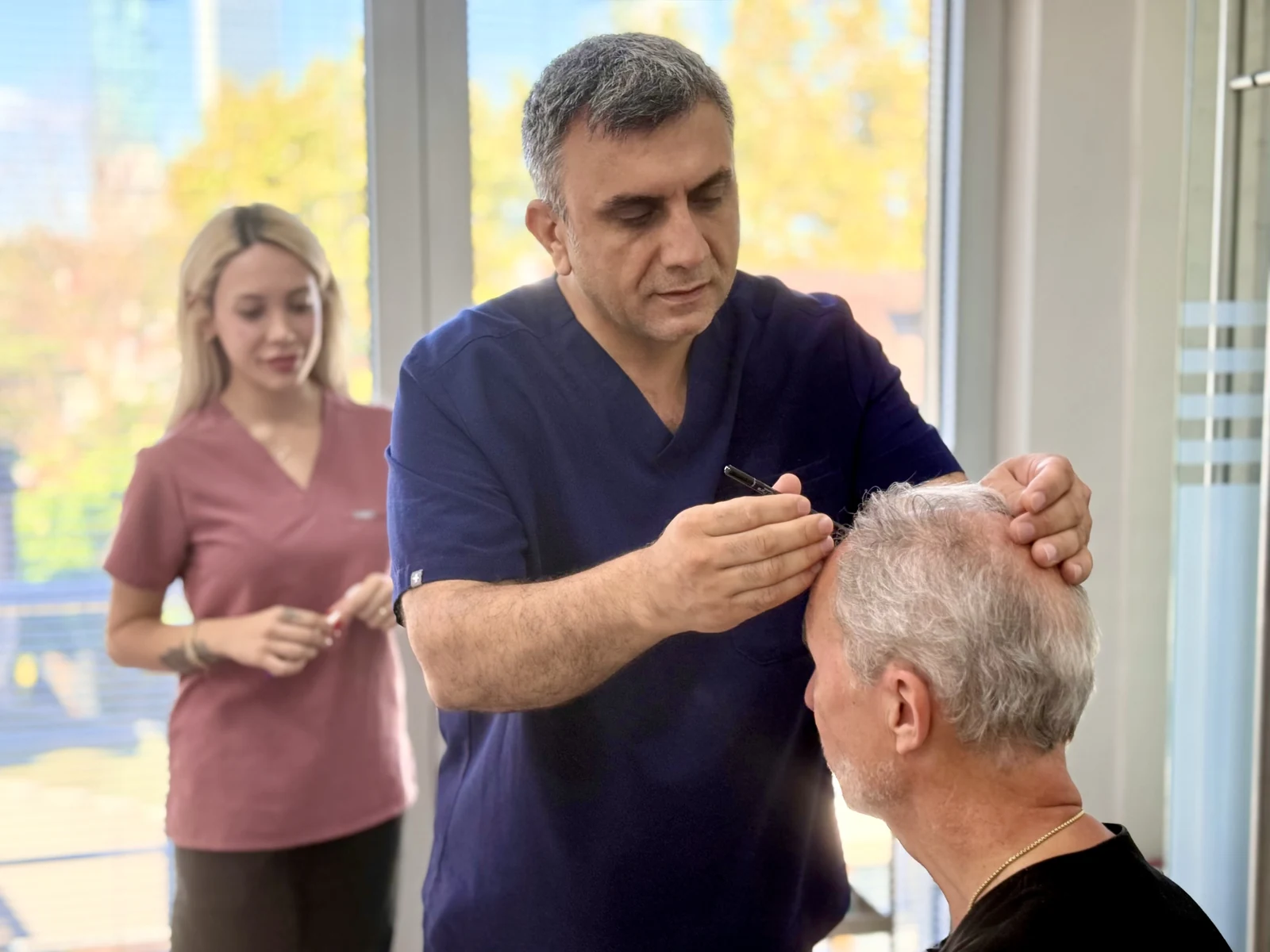
01 · Bespoke Assessment
Free photo review
Submit three photographs. Dr. Arslan reviews every case personally within 24 hours and tells you plainly whether surgery is the right next step.
Surgeon-led hair restoration clinic in Levent, Istanbul since 2005.
Explore all →Send 3–5 photographs. Personal response within 24 hours — no intermediaries.
Request Now →Selected for your specific hair loss pattern and aesthetic goals.
FUE vs DHI →FUE, DHI or Algorithmic FUE™ — Dr. Arslan recommends based on your photographs and Norwood stage.
Get Assessment → Try Graft Calculator →FUE Europe member. Ministry of Health accredited clinic. Levent, Istanbul — 60–80% less than UK or US.
View Package →FUE Europe member. Ministry of Health accredited. 17+ years. 3,000+ personal procedures. One patient per day.
Full Profile →One patient a day, every package surgeon-led. Every result personally accountable.
Read Philosophy →No hidden costs. Hotel, transfers, surgery and aftercare in one price.
View Pricing →Silver · Gold · VIP — 5-star hotel · Airport transfers · PRP included
View Pricing → Graft Calculator →Every case personally overseen by Dr. Arslan Musbeh, from consultation to results.
Full Gallery →Not every case needs a transplant. Medical treatments, therapies and specialist options.
Overview →Guides, tools and expert content — written by Dr. Arslan Musbeh.
All Articles →Your complete month-by-month path — from first consultation to final results, one year later.
The Process
From your first photographs to a full result at 12 months, with Dr. Arslan Musbeh involved at every stage.
01 · Bespoke Assessment
Submit three photographs. Dr. Arslan reviews every case personally within 24 hours and tells you plainly whether surgery is the right next step.
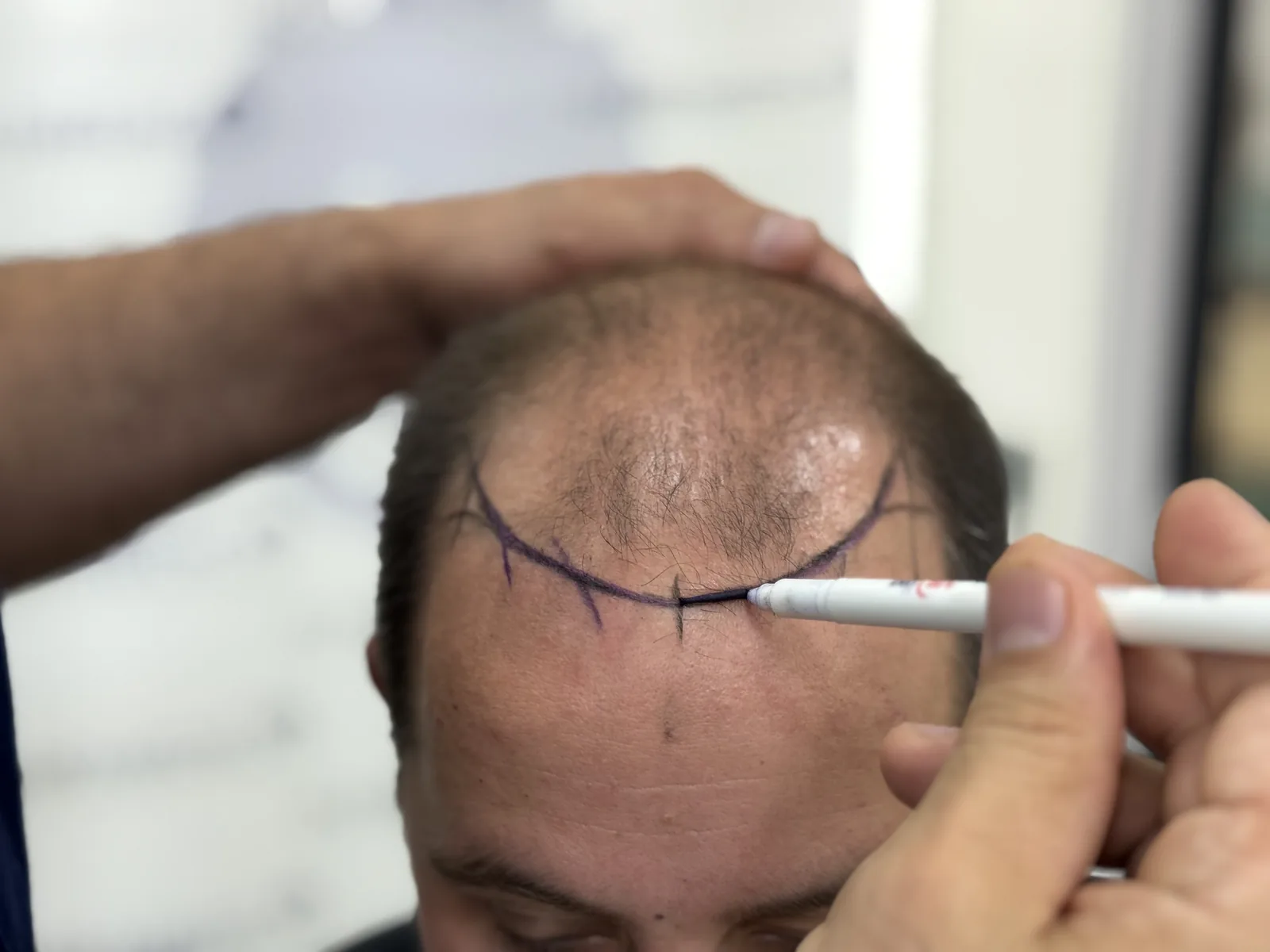
02 · Technique & Plan
FUE, DHI or Algorithmic FUE™ is confirmed by the surgeon directly, with a graft estimate and a fixed, all-inclusive price.
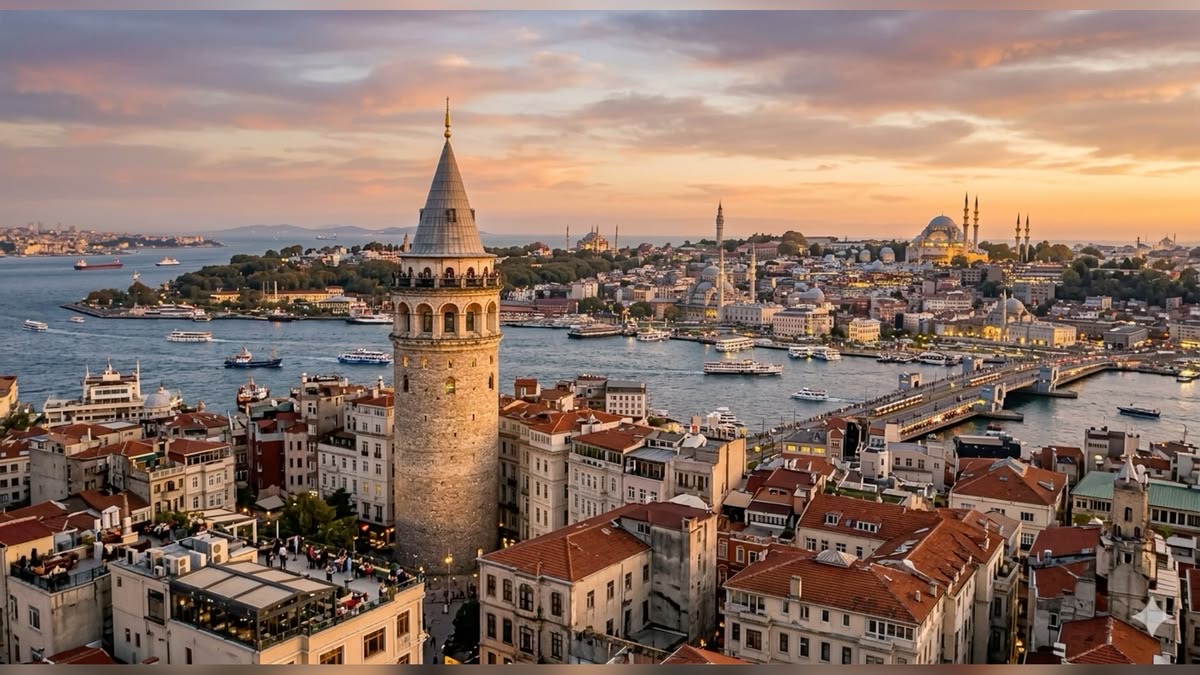
03 · Arrival Istanbul
A VIP transfer meets you at the airport and takes you to your 5-star hotel, followed by a pre-op consultation day at the Levent clinic.
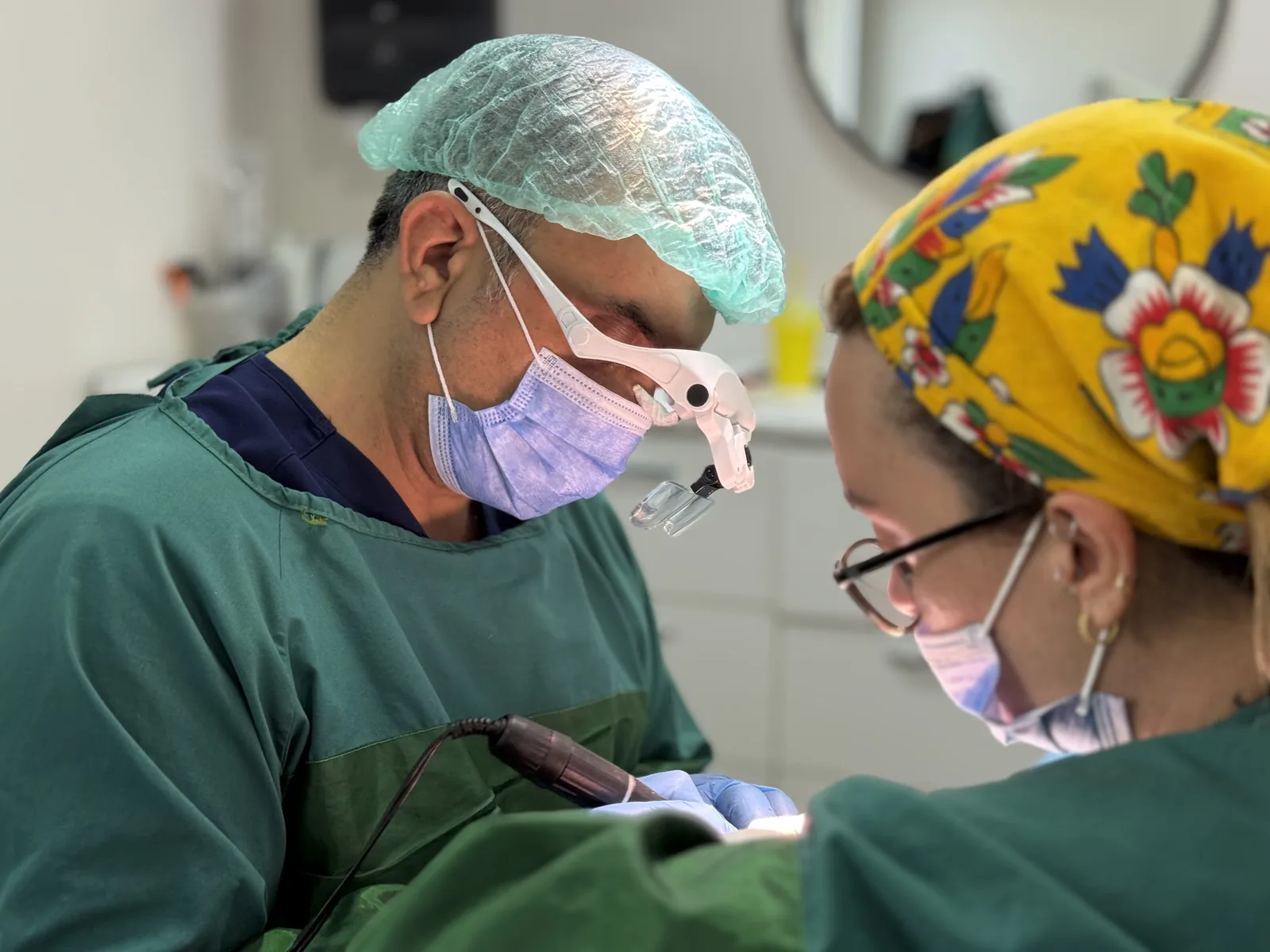
04 · Surgery Day
Dr. Arslan personally leads every package, performing the channel-opening incision himself in Gold and VIP. You are the only patient in the clinic that day.
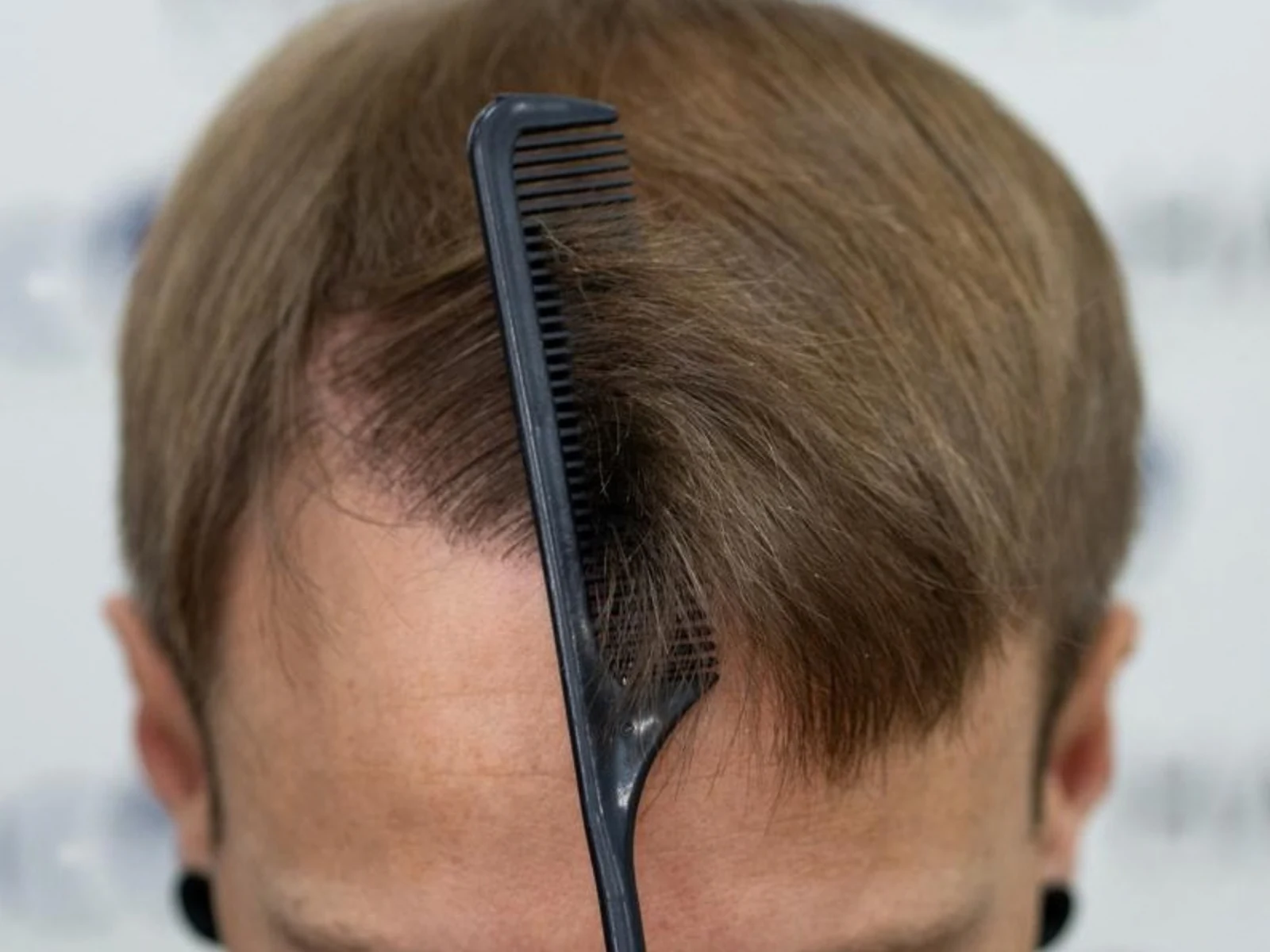
05 · Results at 12 Months
Full result visible at around 12 months. Our team supports you through 12 months of follow-up, including the first wash at the clinic.
From submitting your first photograph to seeing your final result at month 12 — this is the complete Hairmedico patient journey. Every stage is managed by the clinic from start to finish.
Unlike many international clinics where a booking agency or non-medical coordinator handles the case before a surgeon becomes involved, every clinical decision here is made directly by Dr. Arslan — from the first photograph to the final follow-up call. A dedicated coordination team manages the logistics: flights are your own booking, but hotel dates, transfers and clinic scheduling are arranged for you. The medical decisions — technique, hairline design, and the surgical plan itself — pass through no one but the surgeon.
Most patients arrive at this decision after months of comparing clinics online. What tends to separate one itinerary from another is not the schedule — most Istanbul clinics run a broadly similar three-day trip — but who is actually behind each decision inside it. If an earlier consultation elsewhere was handled entirely by a sales coordinator, it is worth asking directly who reviews the photographs, who designs the hairline, and who is in the room on surgery day. At Hairmedico, the answer to all three is the same person.

Seven stages, one continuous point of contact — from your first photograph to your twelve-month result.
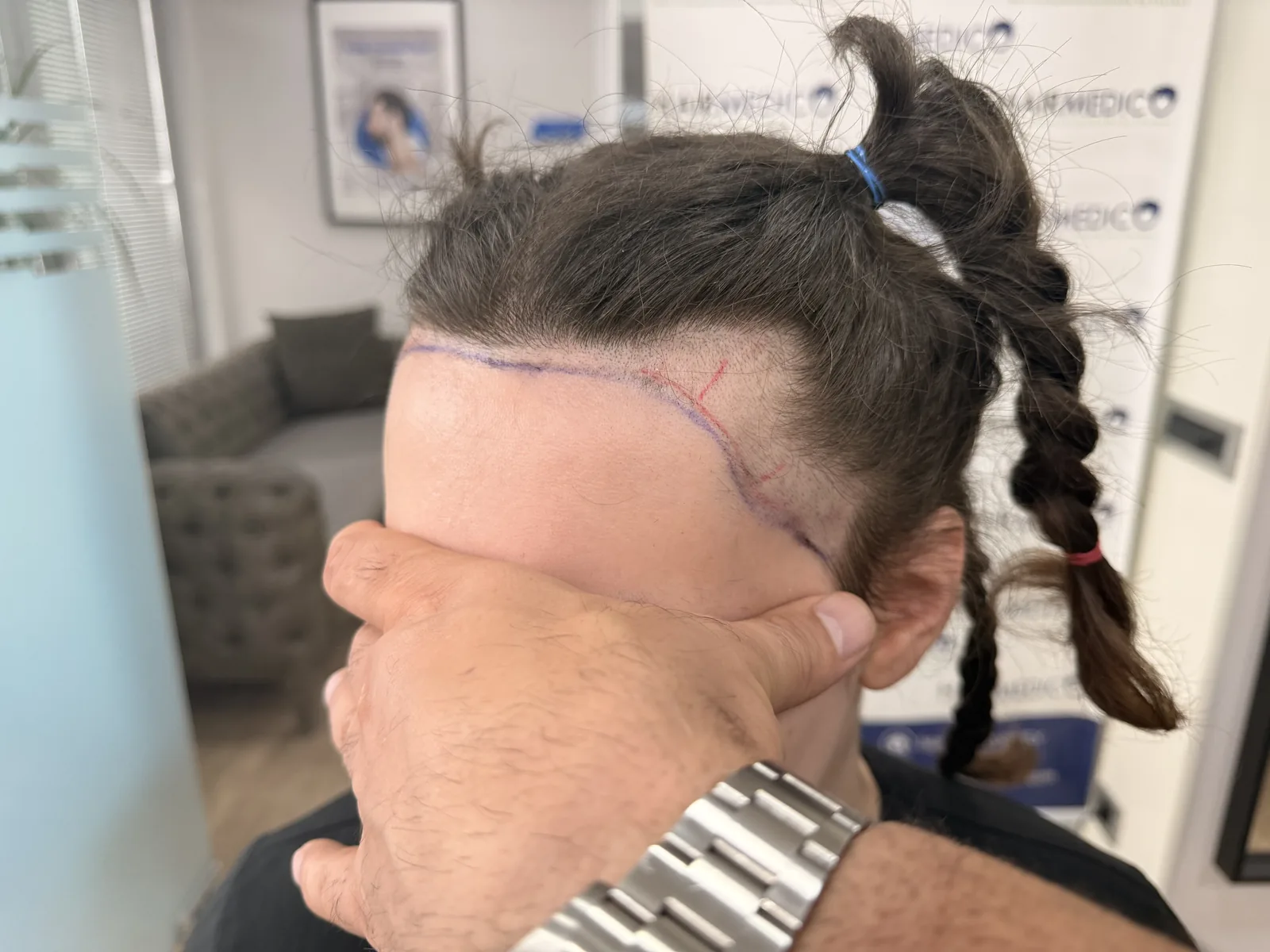


Preparation in the two weeks before surgery affects both how the surgery day goes and how well the grafts take. The short version:
Your hairline shape and donor strategy are not decided on the morning of surgery — they are drafted from the photographs you send during the assessment stage, then confirmed and fine-tuned in person on arrival. Knowing this in advance changes what is actually worth preparing: clear, well-lit photographs of the front, top, sides and donor area matter more than any product or supplement on this list.
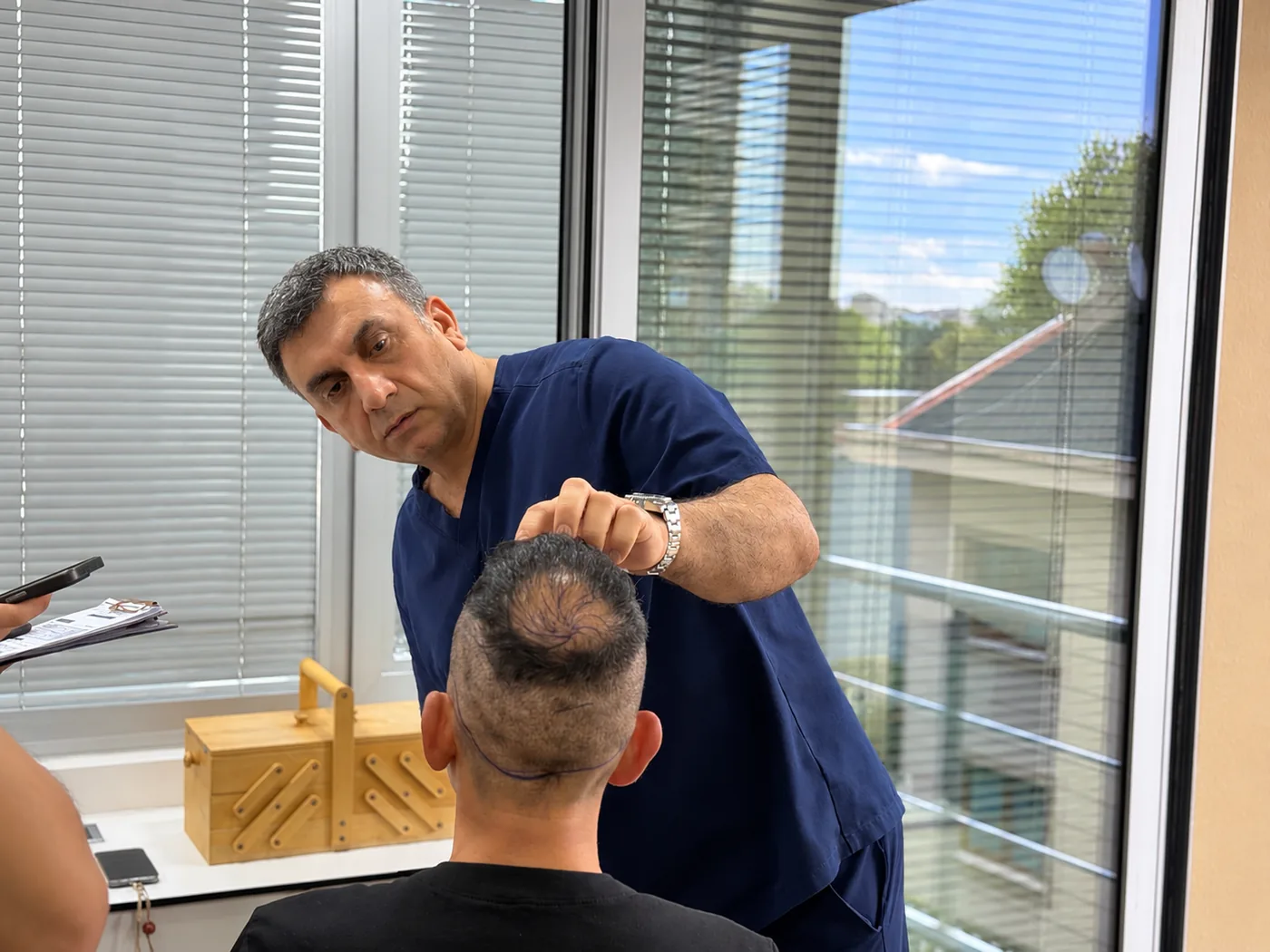
See the full pre-operation checklist → for the complete day-by-day preparation guide.
Most patients fly home 2–3 days after surgery, while the scalp is still healing. The scabs around the recipient area typically resolve within 10–14 days. Between weeks 2 and 6, the newly transplanted hairs shed — this is the normal shedding phase, not a sign that the procedure has failed.
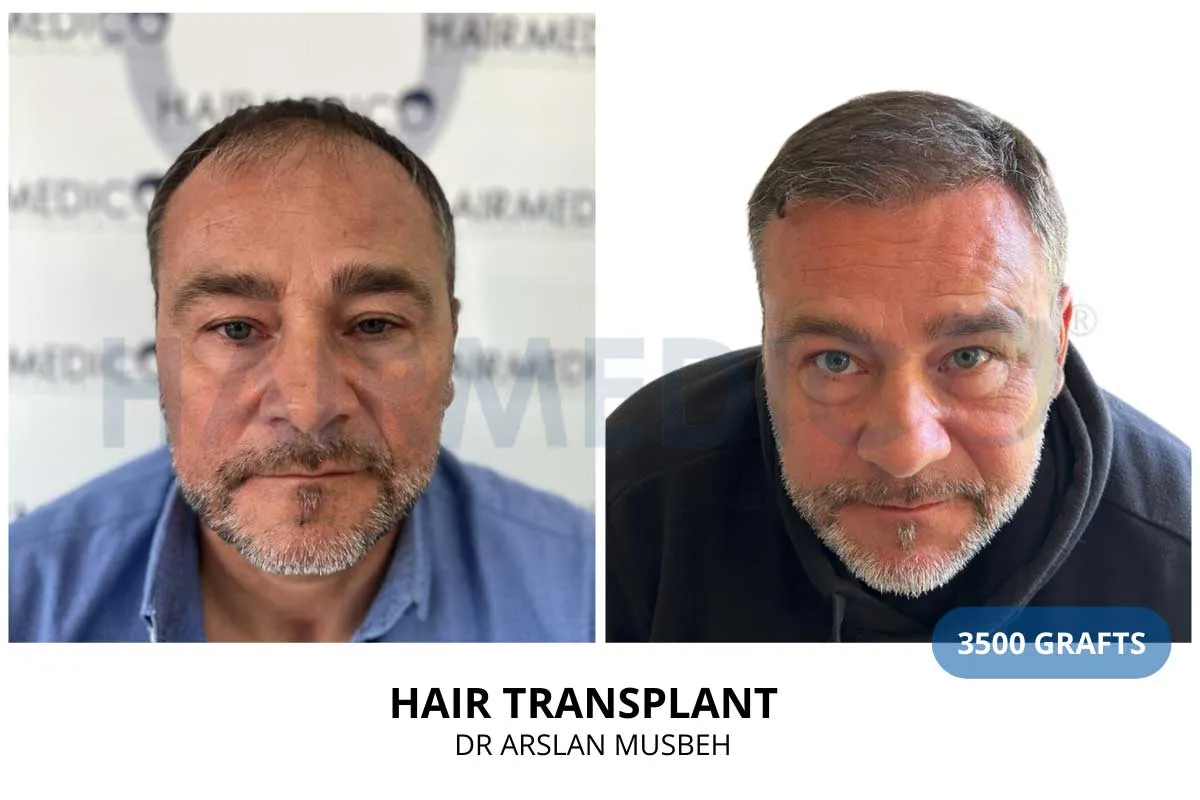
New growth begins at months 3–4. By month 6, roughly 40–60% of the final result is typically visible; by month 10, most patients have reached 70–80%. Full density is assessed at the 12–14 month mark, alongside your final follow-up call with Dr. Arslan's team. See the complete month-by-month recovery timeline →
The best way to judge whether this progression is realistic is to look at documented outcomes rather than a verbal estimate — same angle, natural light, no styling. Below is one such case, tracked through the follow-up programme described above.
Answered by Dr. Arslan Musbeh.
Day 1: arrival and hotel check-in. Day 2: pre-op consultation and surgery with Dr. Arslan Musbeh. Day 3: first wash and post-op check. Return home with 12-month follow-up programme.
Typically 3 nights / 4 days. The Hairmedico package includes hotel accommodation, airport transfers, and all clinic visits during your stay.
Yes. Dr. Arslan reviews your photographs personally, confirms your technique and plan, and personally performs the canal-opening on the Gold and VIP packages, and the extraction himself on the VIP package. In the VIP tier he also places every graft personally; in Silver and Gold, his trained team places grafts as part of the same surgeon-led programme. A coordination team handles travel logistics, but the medical decisions never pass to anyone but the surgeon.
The scabs from the recipient area typically resolve within 10–14 days. Between weeks 2 and 6, the transplanted hairs shed — a normal phase, not a sign of failure. New growth begins at months 3–4, with roughly 40–60% of the final result visible by month 6 and 70–80% by month 10. Full density is assessed at 12–14 months, alongside your final follow-up call.
Yes. Many patients travel with a companion, and hotel accommodation can be arranged for them on request — let your coordinator know when you confirm your surgery date.
After researching countless clinics, I specifically didn't want a "hair mill." Dr. Arslan is hands-on throughout the entire process. I came from Australia and the experience was seamless.
Dr. Arslan was present throughout the surgery and personally performed the majority of key procedures. His professionalism and dedication made all the difference.
I already see good hair growth after only 17 weeks. The professionalism of the team and facilities was excellent.
Dr. Arslan was incredibly professional — he explained all procedures clearly. The clinic was spotless and the staff were super friendly.
From first contact, communication was prompt, transparent and efficient. My expectations were surpassed by the services and attention I received.
After 5 years of research I chose Hairmedico. Even on a basic package, Dr. Arslan performed the critical incision phase himself.