10 самых распространённых мифов о пересадке волос
Миф 1: «Пересаженные волосы выглядят неестественно и заметно»
Реальность: Это было верно для эпохи «волосяных пробок» 1980-х и 90-х годов, когда крупные многофолликулярные графты пересаживались видимыми рядами. Современные методики FUE используют отдельные фолликулярные единицы из 1–4 волос — те же группы, что естественным образом встречаются на коже головы. При выполнении квалифицированным хирургом, который подбирает угол, направление и плотность в соответствии с вашими родными волосами, результат неотличим от естественных волос.
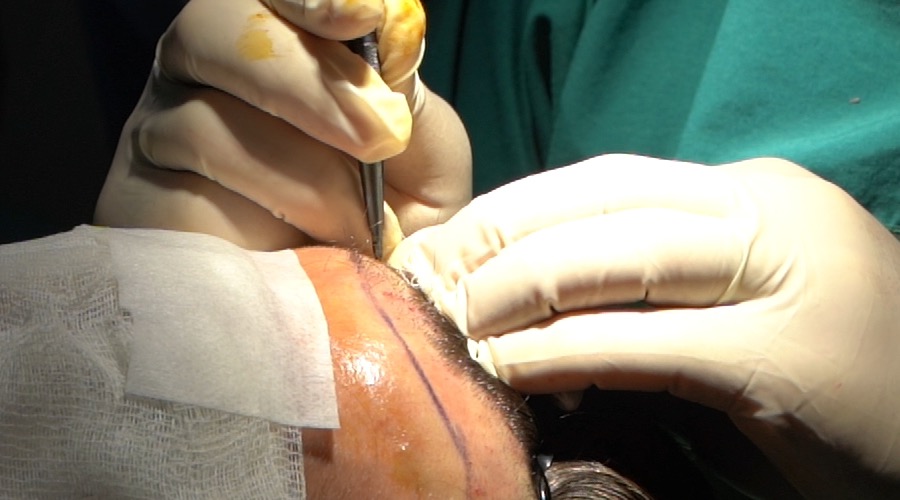
Случаи, когда результат выглядит искусственно, как правило, вызваны следующим: плохо спроектированная линия роста волос (слишком низкая, слишком прямая или слишком плотная спереди), неверный угол или направление при имплантации, либо чрезмерное использование одноволосковых графтов, создающее неестественный «перьевой» эффект. Именно мастерство хирурга — а не сама техника — определяет естественность результата.
Миф 2: «Пересаженные волосы выпадают через несколько лет»
Реальность: Пересаженные фолликулы берутся из постоянной донорской зоны на затылке и по бокам головы — участков, генетически устойчивых к ДГТ (дигидротестостерону), гормону, вызывающему андрогенетическую алопецию. Эти фолликулы сохраняют устойчивость к ДГТ и на новом месте. Они не выпадут из-за облысения по мужскому типу.
Иногда пациенты замечают: первоначальное выпадение на 2–4 неделе (нормальный «шоковый сброс волос» — фолликул остаётся целым, а не теряется), а также то, что их собственные непересаженные волосы продолжают истончаться со временем. Грамотно спланированная операция учитывает это будущее прогрессирование при проектировании линии роста волос.
Миф 3: «Пересадка волос в Турции — это низкое качество»
Реальность: Качество пересадки волос зависит от подготовки, опыта и методологии хирурга — а не от страны, где проводится операция. Стамбульские клиники, привлекающие иностранных пациентов пакетами «всё включено» по премиальным ценам, работают по тем же хирургическим стандартам, что и ведущие клиники Великобритании, США или Германии.
Разница в цене (на 60–80% ниже) объясняется операционными издержками, а не хирургическим качеством. Важно различать клиники, где операцию ведёт лично хирург — выполняющий каждый графт, — и «волосяные фабрики», где техники работают практически без надзора. Это различие существует в любой стране.
Миф 4: «Для пересадки волос нужно брить голову»
Реальность: Пересадка без бритья (U-FUE) позволяет проводить извлечение и трансплантацию, сохраняя длину существующих волос. В Hairmedico эта техника доступна для пациентов, которые не могут или не хотят бриться. Компромисс — немного увеличенное время и стоимость процедуры, а также более технически сложный процесс извлечения. Результаты эквивалентны стандартной FUE.
Миф 5: «За одну сессию можно безопасно пересадить 6000 графтов»
Реальность: Максимально безопасное количество графтов за одну сессию зависит от плотности донорской зоны и площади поверхности кожи головы — а не является фиксированным числом. Для большинства пациентов 4000–4500 графтов — это безопасный верхний предел за одну сессию без ущерба для целостности донорской зоны. К заявлениям о 6000–8000 графтах за одну сессию следует относиться с серьёзной настороженностью.
Чрезмерный забор графтов — извлечение большего количества, чем донорская зона может безопасно дать, — вызывает необратимое видимое истончение донорской области. Этот результат нельзя обратить вспять. Любая клиника, предлагающая очень большое количество графтов без тщательной оценки донорской зоны, вероятно, ставит доход выше результата для пациента.
Миф 6: «Результат виден сразу»
Реальность: Полный результат пересадки волос проявляется через 12–14 месяцев. Типичный график: графты выпадают на 2–4 неделе (шоковый сброс волос — это нормально), новый рост начинается на 3–4 месяце, заметная плотность видна к 6 месяцу, текстура нормализуется к 9 месяцу, а окончательный результат достигается к 12–14 месяцу. Пациенты, ожидающие мгновенного результата, будут разочарованы независимо от того, насколько технически безупречно была выполнена операция.
Миф 7: «Пересадку волос может выполнить любой врач»
Реальность: Во многих странах — включая Турцию — регуляторные требования к тому, кто может проводить пересадку волос, недостаточно строги. Это позволило появиться клиникам, где операции проводят техники, а не врачи, выполняющие извлечение и имплантацию самостоятельно. Квалифицированный хирург-трансплантолог волос должен быть врачом со специальной подготовкой в области восстановления волос, в идеале — с профессиональной аккредитацией от признанной организации, такой как FUE Europe или ESHRS.
Миф 8: «Одна лишь PRP-терапия может восстановить волосы»
Реальность: PRP (плазма, обогащённая тромбоцитами) — это ценное дополнительное лечение, способное замедлить выпадение, улучшить толщину волос и ускорить послеоперационное восстановление. Она не может восстановить волосы там, где фолликулы уже погибли. PRP работает лучше всего как профилактическое или поддерживающее лечение наряду с медикаментозным или хирургическим подходом — а не как самостоятельный способ восстановления.
Миф 9: «Пересадка волос — только для мужчин»
Реальность: Женщины составляют примерно 15–20% пациентов по восстановлению волос во всём мире. Выпадение волос по женскому типу, тракционная алопеция, опускание линии роста волос и восстановление бровей — всё это хорошо изученные показания для операции по пересадке волос. Техники и восстановление схожи; планирование отличается тем, что у женщин выпадение волос носит диффузный, а не паттерновый характер, а оценка донорской зоны сложнее.
Миф 10: «На следующий день можно вернуться к работе»
Реальность: Сроки восстановления зависят от типа процедуры и индивидуального заживления. Большинство пациентов комфортно возвращаются к офисной работе в течение 5–7 дней. Зона пересадки видна (точечные корочки) в течение 10–14 дней. Физических нагрузок следует избегать 3–4 недели. Социальные мероприятия, предполагающие пристальное внимание к коже головы, стоит планировать с учётом 2-недельного периода восстановления.
Читать полное руководство по послеоперационному уходу →
Отправьте 3 фотографии. Персональный анализ и оценка количества графтов в течение 24 часов.