James Maddison hair transplant analysis - the Tottenham midfielder improved hairline, technique used and lessons for young men considering hair restoration.
Observed transformation
James Maddison displayed noticeable temporal recession in his early career that appeared to improve substantially. The change is consistent with a 1,500-2,500 graft FUE targeting the temporal zones and frontal hairline. The result is natural, appropriately dense and proportioned - not over-restored.
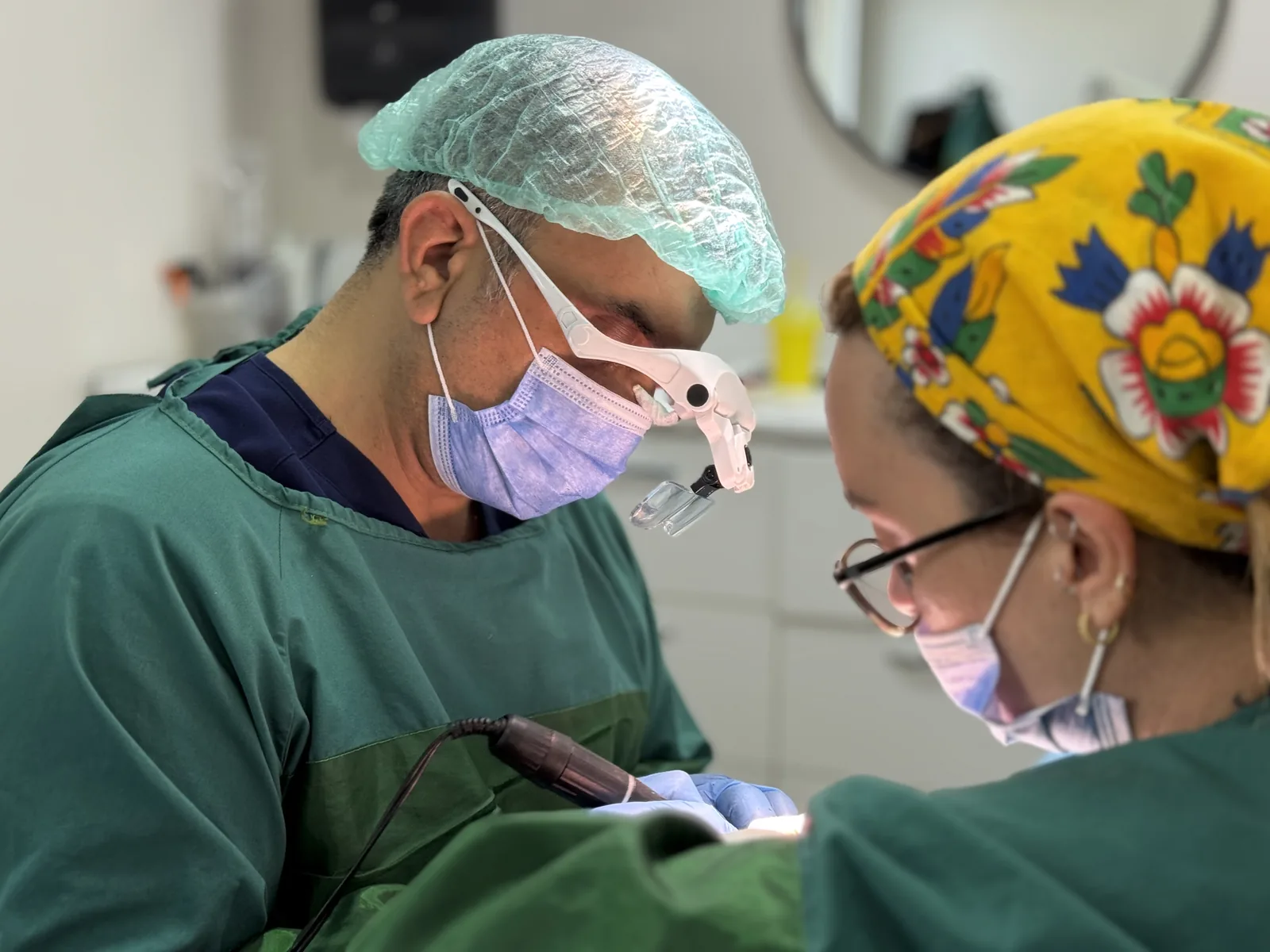
Hair restoration for professional athletes
Key considerations for footballers: unshaved FUE allows maintenance of hair length; recovery timeline allows return to full-contact sport in 3-4 weeks; results must look natural under HD broadcast lighting. All achievable with correctly planned FUE or DHI.
Lessons for younger men
Early intervention before very extensive loss produces the most aesthetically satisfying outcomes. Addressing recession at Norwood II-III before it reaches IV-V preserves options and typically requires fewer total grafts. See Hair transplant under 25 | Dr. Arslan Musbeh
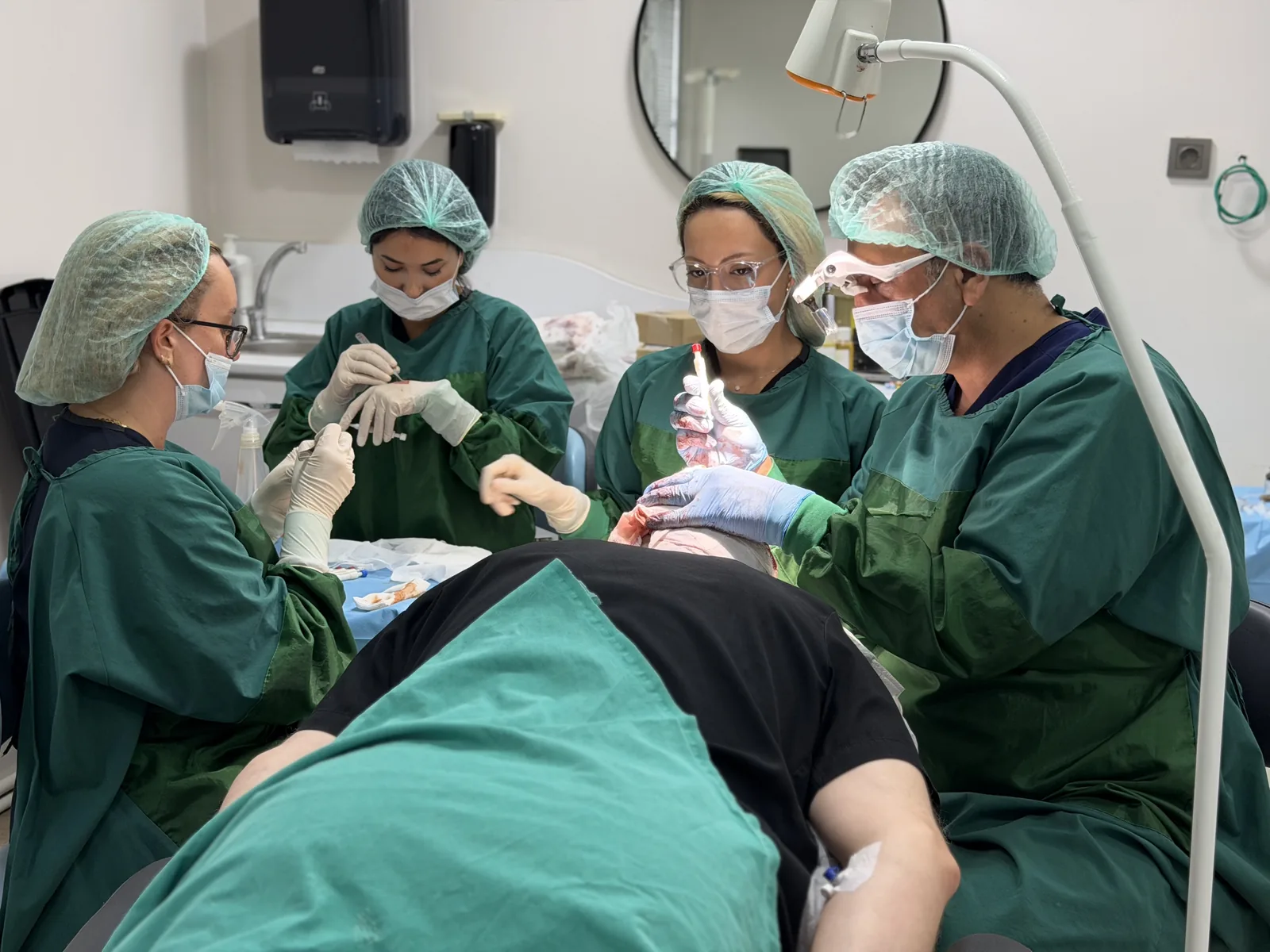
Common questions
Did James Maddison get a hair transplant?
It has not been confirmed, but the noticeable temporal recession he displayed in his early career appearing to improve substantially is consistent with a 1,500-2,500 graft FUE procedure targeting the temporal zones and frontal hairline.
Can footballers get a hair transplant and return to play quickly?
Yes. Unshaved FUE allows players to keep their hair length, and the recovery timeline typically allows a return to full-contact sport within 3-4 weeks, fitting around a professional season.
What can younger men learn from James Maddison's case?
Addressing recession early, at Norwood II-III rather than waiting until IV-V, preserves more options and typically requires fewer total grafts for a natural, appropriately dense result.
Related articles
- 1000 Grafts Hair Transplant Cost 2025
- 1000 Hair Grafts Before And After 2025
- 1500 Hair Grafts Before And After 2025
References & sources
- Bernstein RM, Rassman WR. Follicular unit transplantation: 2005. Dermatologic Clinics. 2005. https://doi.org/10.1016/j.det.2005.04.002
- Avram MR, Rogers NE. Contemporary hair transplantation. Dermatologic Surgery. 2009. https://doi.org/10.1111/j.1524-4725.2009.01283.x
- American Academy of Dermatology Association. How to treat hair loss. aad.org
- International Society of Hair Restoration Surgery. 2022 Practice Census results. 2022. ishrs.org
- NHS. Hair loss — overview and treatment options. National Health Service (UK). 2023. https://www.nhs.uk/conditions/hair-loss/