
أهم فرق بين عيادات زراعة الشعر لا علاقة له بموقعها الإلكتروني، ولا بمعرض صورها قبل/بعد، ولا حتى بسعرها. إنه فرق تشغيلي واحد: هل يُجري الجراح المرخّص العملية بنفسه، أم يقوم بها طاقم فني غير مرخّص؟ هذا الفرق يحدد بقاء الطعوم، والجودة الجمالية، وطبيعية النتيجة، ومدى دوام الحصيلة. فهم هذا الأمر قبل الحجز هو أهم بحث يمكن للمريض القيام به قبل اتخاذ القرار.
تعريف المصطلحات
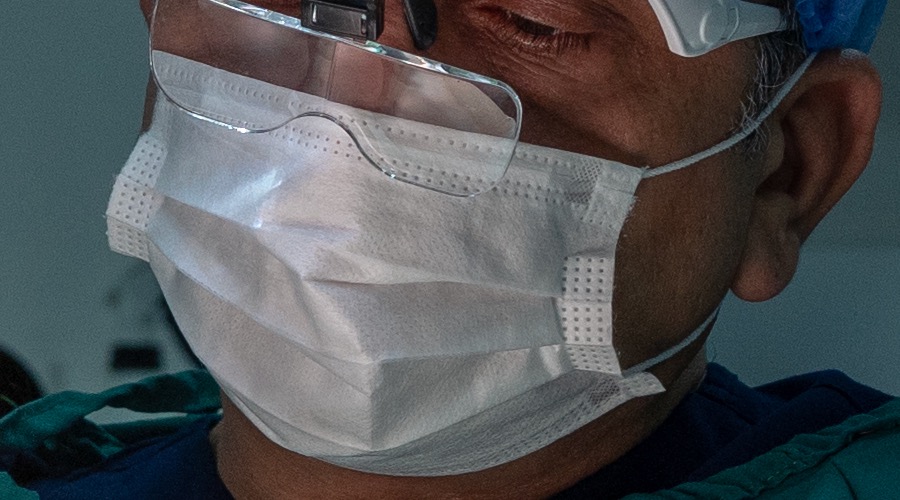
زراعة الشعر بإشراف جراح
طبيب مرخّص — عادة جراح متخصص في استعادة الشعر — يُجري بنفسه كل الخطوات الحاسمة في العملية: استخراج البصيلات، وفتح القنوات المستقبلة، وزراعة الطعوم. الجراح هو من يتخذ كل قرار استخراج فردي، وكل حكم بشأن زاوية القناة، وكل اختيار لموضع الزراعة.
زراعة الشعر بواسطة فنيين
يقوم طاقم فني مدرّب غير طبي بخطوات الاستخراج وفتح القنوات والزراعة. قد يكون الطبيب المشرف موجوداً في المبنى، وقد يصمم خط الشعر، وقد يكون متاحاً للاستشارة — لكنه لا يُجري العملية بنفسه على المريض.
كلا النموذجين موجودان في إسطنبول. وكلاهما موجود في لندن وباريس ونيويورك. النموذج لا يُحدَّد بالدولة أو المدينة — بل بالبنية التشغيلية الخاصة بكل عيادة. فهم ماذا تتضمن عملية زراعة الشعر هو السياق اللازم لفهم سبب أهمية من يُجري العملية.
الفروقات السريرية — ما تُظهره البيانات
| مؤشر الجودة | بإشراف جراح | بواسطة فنيين |
|---|---|---|
| نسبة قطع البصيلات | 2–5% | 10–30% |
| نسبة بقاء الطعوم | 88–96% | 58–78% |
| طبيعية خط الشعر | حكم جمالي فردي من الجراح | تصميم قائم على قوالب أو مفوَّض |
| دقة زاوية القناة | يتحكم بها الجراح، وتتكيف تشريحياً | آلية، تعتمد على بروتوكول ثابت |
| التعرف على المضاعفات | تكيّف جراحي فوري | محدود — بلا تدريب طبي |
| إمكانية التنبؤ بالنتيجة طويلة المدى | عالية — موثقة عبر سجل الحالات | متغيرة — تعتمد على مهارة الفني |
حقيقة نسبة قطع البصيلات
قطع البصيلة هو تدمير دائم للطعم أثناء الاستخراج — إذ تقطع أداة الثقب جذع البصيلة بدلاً من الالتفاف حوله. بمجرد قطع البصيلة، يُفقد الطعم نهائياً: فلن ينمو مهما كانت العناية اللاحقة به.
نسبة قطع البصيلات هي المكان الذي تظهر فيه فجوة الجودة بين العمليات التي يجريها الجراح وتلك التي يجريها الفنيون بأوضح وأدق صورة. الجراح ذو الخبرة، الذي يقرأ اختلافات زاوية البصيلات عبر منطقة المانح من خلال الإحساس اللمسي والتقييم البصري المكتسبين عبر آلاف الحالات، يحقق نسبة قطع 2–5%. أما الطاقم الفني الذي يؤدي نفس العملية الآلية دون هذا التعرف التشريحي على الأنماط فيحقق 10–30% وفق الدراسات السريرية الموثقة.
النتيجة العملية: في جلسة تضم 3,000 طعم، الفرق بين نسبة قطع 3% و20% يعني 510 طعوم مدمَّرة نهائياً. أي 510 وحدة بصيلية جرى إحصاؤها ضمن إجمالي الاستخراج، وحفظها، ونقلها، وزراعتها — لكنها لن تنتج شعراً أبداً. المريض يكون قد حصل فعلياً على 2,490 طعماً فعالاً رغم إخباره بأنه حصل على 3,000.
فتح القنوات: فجوة البراعة الفنية
فتح القنوات المستقبلة هو الخطوة التي تحدد ما إذا كانت النتيجة النهائية ستبدو طبيعية أم مصطنعة. يجب أن توضع القنوات بالزاوية والاتجاه الدقيقين اللذين ينتجان نمو شعر يتطابق مع نمط الشعر الأصلي المحيط. وهذا يتطلب:
- فهم نمط تدفق الشعر الطبيعي عبر مناطق فروة الرأس المختلفة
- حكماً جمالياً بشأن الزوايا المناسبة لنوع خط الشعر العرقي
- القدرة على خلق عدم انتظام دقيق في الحافة الأمامية لخط الشعر بدلاً من الانتظام الآلي
- التكيف الفوري مع أنماط تجمع البصيلات وتشريح فروة رأس كل مريض على حدة
هذه ليست مهارات آلية يمكن تعلّمها في دورة تدريبية. إنها تُكتسب من خلال التدريب الطبي، والتعليم الجمالي، وآلاف العمليات المُنجَزة شخصياً. الفني الذي يفتح القنوات يمكنه تنفيذ بروتوكول؛ لكنه لا يستطيع ممارسة الحكم الذي لا يستطيع أي بروتوكول التقاطه.
خلفية د. أرسلان الكاملة وفلسفته الجراحية على صفحة عن Hairmedico.
كيف تتعرف على النموذج قبل الحجز
المعلومات التي تحتاجها نادراً ما تُقدَّم من تلقاء نفسها. اطرح هذه الأسئلة صراحة:
س: "هل سيقوم د. [الاسم] بنفسه بالاستخراج — أم يقوم بهذه الخطوة فني؟"
لا تقبل إلا: "د. [الاسم] يقوم بنفسه بكل الاستخراج." وليس "فريقنا مدرب تدريباً عالياً" أو "د. [الاسم] يشرف."
س: "هل سيفتح د. [الاسم] القنوات المستقبلة بنفسه؟"
هذه هي الخطوة الأكثر أهمية من الناحية الجمالية. يجب أن يقوم بها الجراح بنفسه.
س: "كم عدد المرضى الذين يعالجهم د. [الاسم] يومياً؟"
الأداء الشخصي لكل الخطوات لعدة مرضى في وقت واحد أمر مستحيل جسدياً. "مريض واحد في اليوم" هي الإجابة التي تجعل كل الادعاءات الأخرى موثوقة.
اطّلع على باقات Hairmedico الشاملة على hairmedico.com/ar/alasaar.
الأسئلة الشائعة
عضوية FUE Europe الكاملة (قابلة للتحقق بشكل مستقل)، واعتماد وزارة الصحة (تركيا)، وشهادة طبية، وتدريب متخصص في استعادة الشعر، وسجل حالات شخصي موثق يضم أكثر من 1,000 عملية. د. أرسلان مصبح يمتلك كل هذه المؤهلات.
د. أرسلان مصبح يقود كل عملية شخصياً؛ وفي باقة VIP يتولى بنفسه كل استخراج وفتح قناة وزراعة، وفي باقة Gold يتولى الاستشارة وفتح القناة شخصياً، بينما ينفّذ أطباء العيادة وطاقمها باقة Silver. بروتوكول مريض واحد في اليوم يجعل هذا الالتزام الشخصي ممكناً هيكلياً. بروتوكول مريض واحد في اليوم يجعل هذا الالتزام الشخصي ممكناً هيكلياً.
FUE Europe هي الهيئة المهنية الأوروبية الرائدة لجراحي زراعة الشعر. تتطلب العضوية الكاملة توثيق حجم الحالات، ومراجعة الأقران، والتعليم المستمر. د. أرسلان مصبح عضو كامل العضوية في FUE Europe — يمكن التحقق من ذلك عبر fue-europe.com.
الأسئلة الشائعة
طبيب جراح مرخّص. وليس الفنيين. تحقق العمليات بإشراف جراح نسبة قطع 2–5% مقابل 10–30% في العيادات التي يديرها فنيون، ما ينتج عنه بقاء طعوم بنسبة 95%+ مقابل 60–75%.
في تركيا، من الناحية الفنية نعم تحت إشراف طبيب. لكن الاستخراج الذي يقوم به الفنيون ينتج عنه معدلات قطع أعلى بكثير ونتائج جمالية أدنى مقارنة بالعمليات التي يجريها الجراح.
اسأل: 'هل يقوم الجراح المذكور بنفسه بالاستخراج والزراعة؟' اسأل أيضاً كم عدد المرضى يومياً — أكثر من مريضين يجعل الأداء الشخصي مستحيلاً.
الأسئلة الشائعة
- FUE Europe. Practice census 2022. 2022. https://www.fue-europe.com/professionals/resources/practice-census/
- Onda M et al. FUE systematic review. J Plastic Surgery, 2020. https://doi.org/10.1016/j.bjps.2019.11.006
- Bernstein RM. Follicular unit transplantation. Dermatologic Clinics, 2013. https://doi.org/10.1016/j.det.2013.06.002
- Cranwell W, Sinclair R. Male androgenetic alopecia. Endotext NCBI, 2023. https://www.ncbi.nlm.nih.gov/books/NBK278957/
- NHS. Hair loss treatment overview. NHS UK, 2024. https://www.nhs.uk/conditions/hair-loss/
جميع المراجع مستمدة من منشورات طبية محكّمة. لا تتضمن أي مصادر تجارية.
د. أرسلان مصبح
- عضو FUE Europe كامل العضوية
- معتمد من وزارة الصحة
- محاضر في جامعة ليون 1
- أكثر من 17 عاماً · أكثر من 3,000 حالة