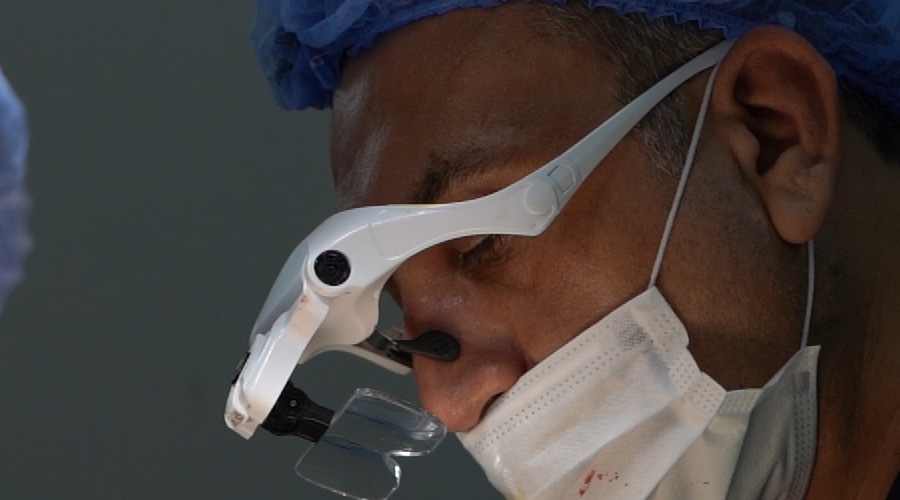
Dr. Arslan Musbeh explains the most consequential mistakes patients make before, during and after hair transplant surgery. Hairmedico Istanbul.
Before surgery — the decisions that determine outcomes
Choosing on graft count and price: Every week I see patients for corrective consultations who chose a previous clinic based on the highest graft count for the lowest price. The correlation is inverse — the best results I see from other surgeons come from conservative, donor-first planning. The worst come from maximum-graft promises at minimum prices.
Not verifying who actually operates: The surgeon named on the website and the surgeon who operates may be different people. Ask it specifically. Request written confirmation. The entire outcome depends on who holds the instruments.
Operating before hair loss stabilises: I regularly advise patients in their early 20s to wait. The surgical result must make sense against the hair loss that will continue for the next 20 years. If we don't plan for that, we create problems we cannot easily solve later.
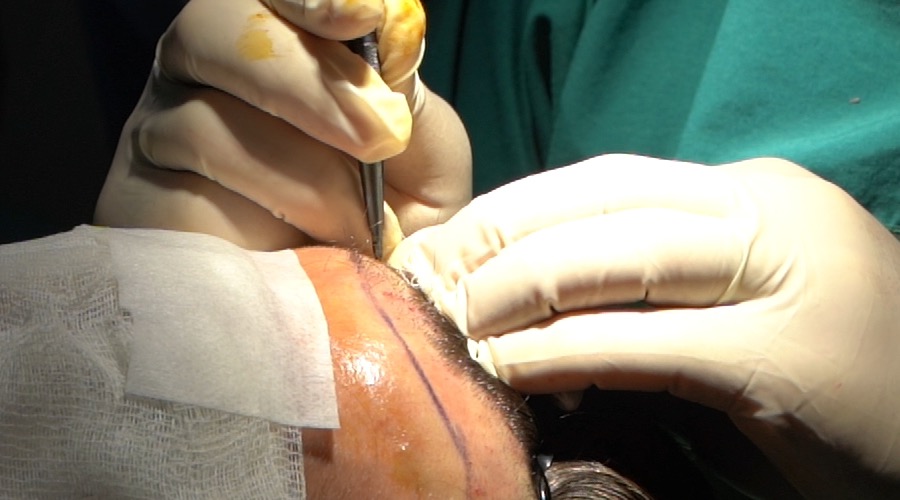
After surgery — the most common recovery mistakes
Not protecting grafts in Days 1–10. The number of grafts lost from patients touching, rubbing or sleeping incorrectly in the first week is significant. A lost graft is a permanent loss.
Stopping Finasteride during shock loss. Month 2 — when native hair sheds temporarily — is the worst moment to stop protecting native follicles.
Declaring failure at month 3. Month 3 is the dormant phase — by definition, nothing is happening yet. Final assessment at month 12 produces accurate evaluation.
The free consultation — where mistakes are prevented
Every mistake listed above can be prevented at the consultation stage. Dr. Arslan's free WhatsApp assessment provides honest candidacy guidance, timing recommendations and pre-operative instructions that address each risk factor before any commitment is made.