Is hair transplant in Turkey safe? How to verify a clinic, what accreditations matter and why surgeon-led procedures define safety.
The direct answer — yes, with the right clinic
Hair transplant in Turkey is safe — with the right clinic. Turkey performs approximately 40% of the world's hair transplant procedures and has produced some of the most technically advanced surgeons in the field. Istanbul in particular has a concentration of surgeon expertise that rivals or exceeds that of London, Paris and New York.

The risk in Turkey is not Turkey itself. The risk is the minority of high-volume "hair mills" that perform surgery with unlicensed technicians, operate multiple patients simultaneously, and prioritise throughput over outcomes. These clinics exist — and they produce poor results. Identifying and avoiding them is straightforward if you know what to look for.
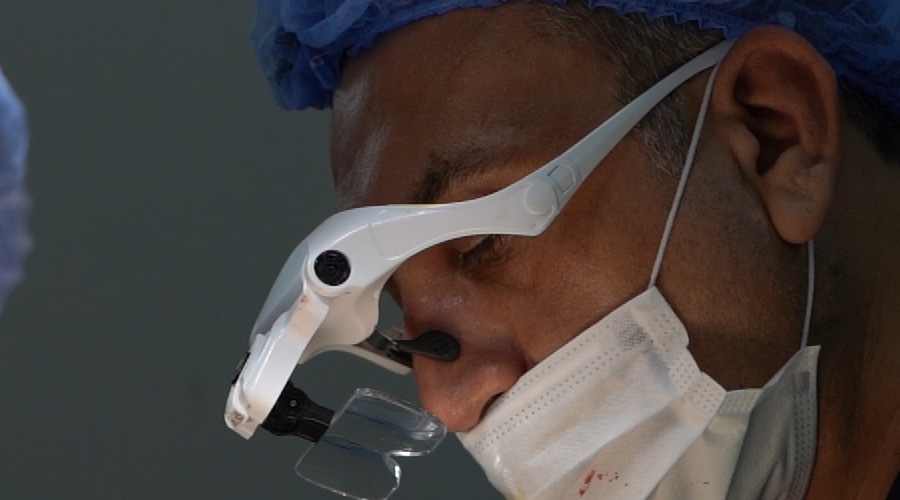
At Hairmedico, every package is surgeon-led and one patient is treated per day; on the VIP tier, Dr. Arslan Musbeh performs every critical surgical step personally — extraction, channel creation, implantation. This is not a marketing statement — it is the foundation of consistent results.
The 4 questions that separate safe clinics from hair mills
1. "Will the surgeon personally perform the surgery — or technicians?"
Turkish law requires a licensed physician to supervise hair transplant surgery. It does not require the surgeon to personally extract and implant every graft. Many clinics comply technically while delegating all actual surgery to unlicensed technicians. The question is specific: does the named surgeon extract the follicles and create the channels themselves?
2. "How many patients does the clinic treat per day?"
A surgeon who personally operates on 4–6 patients simultaneously cannot give any individual case the attention it requires. Clinics operating on one patient per day — like Hairmedico — have a structurally different quality floor.
3. "What is your measured graft survival rate?"
Reputable clinics can provide documented graft survival data. Evasive or vague answers to this question are a warning sign.
4. "What accreditations does the clinic and surgeon hold?"
Verifiable accreditations — Turkish Ministry of Health registration, FUE Europe membership — are publicly searchable. Claims that cannot be verified independently should be treated sceptically.
Why patients from the UK, France and USA choose Hairmedico
Hairmedico operates under strict clinical governance: Ministry of Health accredited, Dr. Arslan is a Full Member of FUE Europe, and the clinic has a documented Trustpilot average from verified international patients. The one-patient-per-day protocol is a non-negotiable operational principle — not a marketing slogan.
Every patient receives a 12-month follow-up programme with monthly photograph review. Questions during recovery are answered directly by the medical team via WhatsApp — not via a customer service desk.