Is a cheap hair transplant worth it? What gets cut at below-market pricing, the real cost of failure and what genuinely good value looks like.
What gets cut when the price is cut
Below-market pricing in hair transplant surgery reliably signals one or more specific compromises:
- Technicians perform surgery: The single most common cost-cut. Unlicensed technicians cost a fraction of what a surgeon costs. The consequence: higher transection rates (10–30% vs 2–5%), inadequate hairline design judgement, no medical management of complications.
- Multiple simultaneous patients: 6–8 patients per day shares surgical attention across cases. Out-of-body graft time increases. Quality consistency falls.
- Reduced graft storage quality: Premium preservation solution costs more. Budget operations use suboptimal storage, reducing viability.
- No follow-up: 12-month follow-up requires staff time and surgeon availability. It is excluded from lowest-price packages — leaving patients with no support through their recovery.
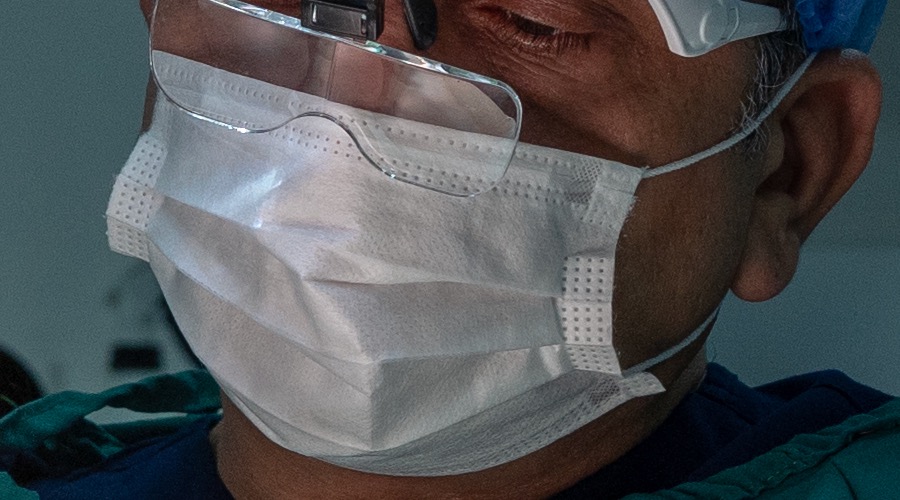
The real cost of a failed cheap transplant
A failed transplant at €900 is not a €900 mistake. It is a permanent one. Depleted donor zone cannot be restored. Unnatural hairline requires corrective surgery. The correction itself costs more than the original quality procedure would have. And some damage — particularly to the donor zone — cannot be fully corrected at any price. The total cost of choosing cheap and failing catastrophically: psychological, financial and permanent.
Good value vs cheap — the critical distinction
Istanbul offers genuinely good value — not cheap. Hairmedico's all-inclusive package (see our price page) is not cheap: it is surgeon-led, one-patient-per-day, accredited, with 12-month follow-up — premium clinical standards at a price made competitive by Istanbul's structural cost advantages. Cheap in Istanbul means €800–€1,200 for a 3,000 graft procedure — and should be refused not because of the price but because of what the price reveals about what has been cut.