How hairline design works in hair transplant surgery — the principles of natural placement, angle, density graduation and long-term planning.
Why hairline design matters more than graft count
Two patients can receive identical graft counts with dramatically different aesthetic outcomes depending solely on hairline design. A poorly designed hairline — too low, too straight, or incorrectly angled — is immediately visible and extremely difficult to correct without additional surgery. A well-designed hairline looks natural at 30, at 45, and at 60, regardless of how much surrounding native hair is subsequently lost.
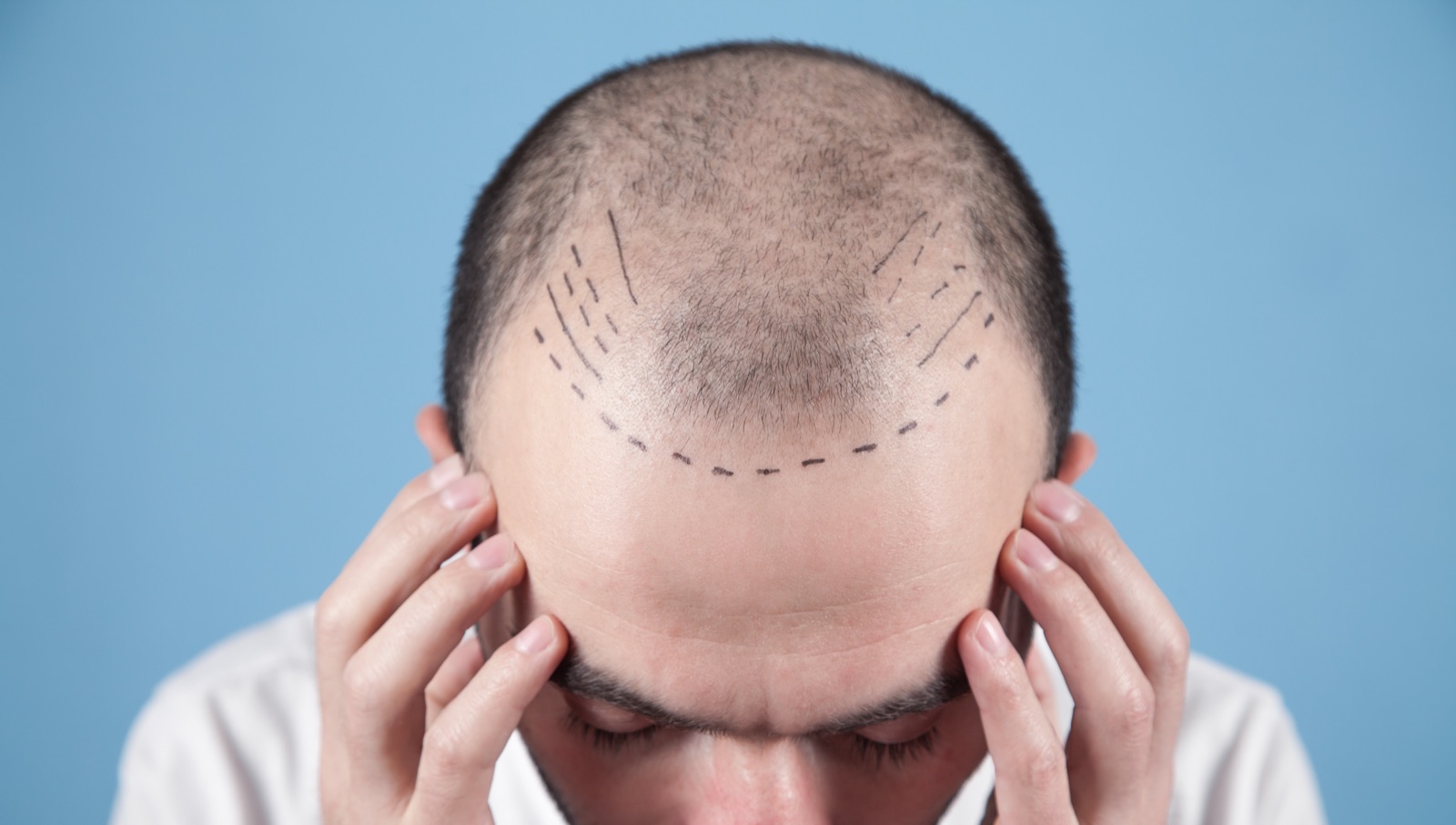
Hairline design is the phase of surgery where the surgeon's aesthetic judgement, long-term planning and technical skill are most directly expressed. It is also the phase most frequently rushed by high-volume clinics operating on multiple patients simultaneously.
The four principles of natural hairline design
1. The rule of thirds
In a harmonious face, the hairline sits approximately one-third of the way down from the top of the skull. The distance from the hairline to the brow ridges, from the brow ridges to the base of the nose, and from the nose to the chin should be roughly equal. Hairlines placed below this position look immediately unnatural on a middle-aged or older face — they belong on a teenager, not an adult.
2. Irregular density at the border
No natural hairline is a sharp, straight edge. It is a soft, irregular zone where fine single-hair grafts create a gradual transition from forehead skin to hair. A hairline that looks like a painted line — dense right to the edge — is immediately identifiable as transplanted. At Hairmedico, the frontal 3–5mm of the hairline is exclusively populated with single-hair grafts at varying angles to reproduce this natural irregularity.
3. Mid-sagittal point positioning
The highest point of the hairline sits at the mid-sagittal plane (the centre of the forehead). Depending on the patient's facial structure, this sits between 7–10cm above the glabella (the point between the eyebrows). The exact position is determined during the pre-surgical design session, with the patient upright and their face in natural repose — not reclined on a surgical table.
4. Long-term projection
A hairline designed for a 28-year-old with Norwood III must still look appropriate if that patient progresses to Norwood V by age 45. This means designing a slightly conservative hairline — one that frames the face naturally across all anticipated stages of future loss — rather than the lowest hairline the patient may request.
The hairline design process at Hairmedico
Hairline design at Hairmedico is a collaborative, patient-approval process. It happens before any anaesthetic is administered and before any surgical instrument is used. The sequence:
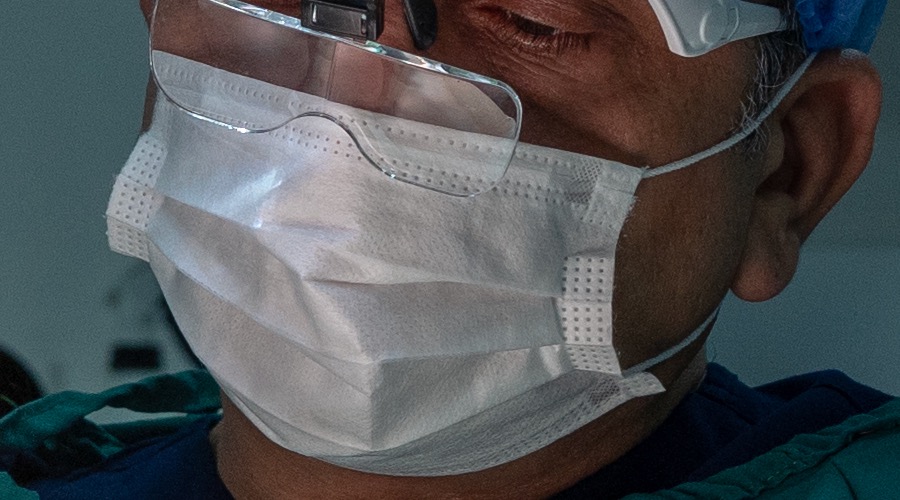
- Dr. Arslan draws the proposed hairline on dry skin using a surgical marker, with the patient seated upright
- The patient reviews the design from multiple angles using hand mirrors
- Any adjustments are made and the patient approves the final design in writing
- Only then is anaesthesia administered and surgery begins
This approval step is not cosmetic formality — it is the primary safeguard against the most common source of long-term dissatisfaction in hair transplant surgery.
Common hairline design mistakes — and why they matter
Too low: The most common cause of unnatural-looking results at 10–20 years. A hairline appropriate for a 25-year-old will appear incongruous against a 45-year-old face with surrounding recession.
Too straight: Straight hairlines are genetically rare. A mildly irregular, slightly curved hairline with a central peak is universally more natural-looking.
Too dense at the border: Packing maximum grafts right to the hairline edge creates a solid, ungraduated appearance that reads as artificial.
Wrong angles: Hair at the temples and frontal corners must lie almost parallel to the skin. Grafts implanted too steeply stand outward and are visible at distance.