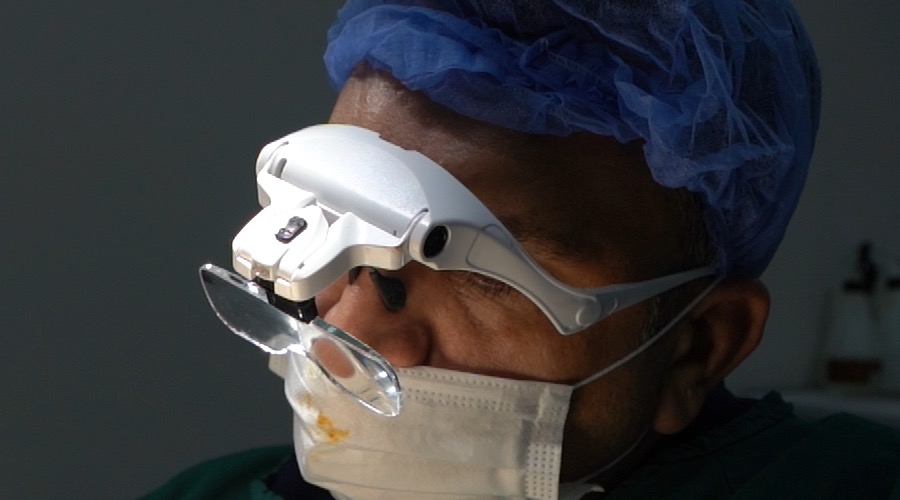
Hair transplant for receding hairline: technique, graft count, what natural results look like and the key timing question.
Assessing your hairline recession
Hairline recession is the first visible sign of androgenetic alopecia. It begins at the temples (producing the characteristic M-shaped pattern), progresses to frontal recession, and eventually connects with crown thinning at higher Norwood stages. Early hairline surgery is often well-timed: donor density is maximum and the recipient zone is limited to the frontal area — the highest visual-impact zone.

Graft requirements by recession pattern
| Pattern | Grafts required |
|---|---|
| Temporal recession only (Norwood II) | 800–1,400 |
| Frontal + temporal recession (Norwood III) | 1,500–2,500 |
| Full hairline + beginning mid-scalp (Norwood III–IV) | 2,000–3,000 |
The critical decision — hairline position and design
The most important decision in hairline restoration is the position and design of the new hairline. Dr. Arslan's design process accounts for: the patient's age and anticipated future loss pattern; ethnic facial anatomy; facial proportions (rule of thirds); and the patient's aesthetic preferences — discussed and drawn with the patient present, awake, before any surgery begins.