Is hair transplant covered by insurance? Why most insurers exclude it, what exceptions exist, and how to finance a procedure in Turkey.
The direct answer
In the vast majority of cases — across the UK, USA, Germany, France and most European countries — health insurance does not cover hair transplant surgery. The primary reason is classification: hair transplant is categorised as a cosmetic (elective) procedure by most insurers and national health systems, not a medically necessary treatment.
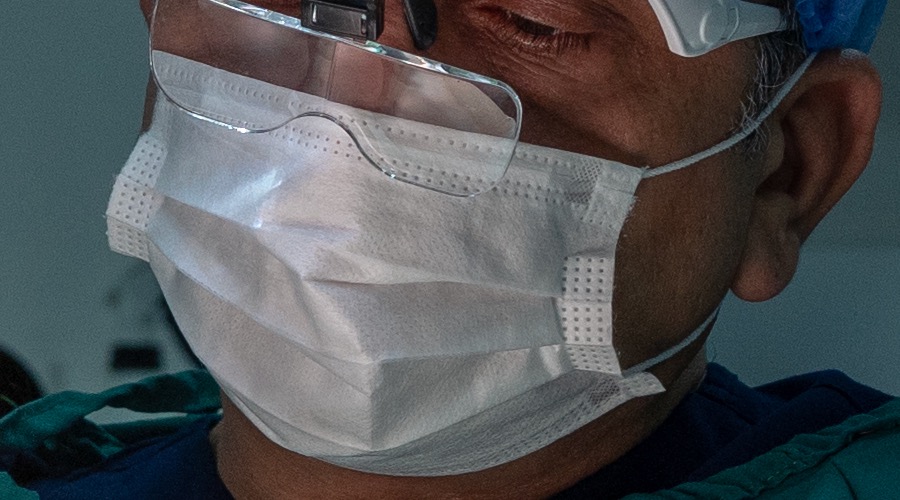
The NHS explicitly excludes hair transplant from its covered treatments. US insurance carriers uniformly exclude cosmetic surgery. German and French health insurance systems follow the same logic. Private health insurance policies in these countries similarly exclude elective cosmetic procedures.
When insurance may cover hair restoration
There are narrow exceptions where some or all of the cost may be covered:
Alopecia totalis / universalis
Total or near-total scalp hair loss caused by alopecia areata (an autoimmune condition) may qualify for medical hair restoration in some insurance systems, because the cause is medical rather than genetic. This varies significantly by insurer and country — always request a pre-authorisation letter before assuming coverage.
Post-traumatic or post-surgical hair loss
Hair loss caused by burns, accidents, radiation therapy or other medical treatments may be partially covered as reconstructive rather than cosmetic surgery in some systems. Documentation of the medical cause is essential.
Cancer treatment reconstruction
Some cancer patients experience permanent hair loss from chemotherapy or radiotherapy. In select cases and countries, hair restoration may be covered under cancer treatment follow-up provisions.
How patients finance hair transplant surgery
Because insurance coverage is rare, patients finance hair transplant surgery in four main ways:

Direct payment: The most common approach. Choosing Istanbul over London or New York reduces the outright cost by 60–80%, making direct payment realistic for most patients. A Hairmedico all-inclusive packages are quoted on request — less than the consultation fee at some London clinics.
Medical financing: In the UK and USA, specialist medical finance companies (e.g. Chrysalis Finance, CareCredit) offer 0% or low-interest payment plans for cosmetic surgery. These are available directly through the patient, not through the clinic.
Flexible spending accounts (FSA/HSA): In the USA, HSA (Health Savings Account) and FSA (Flexible Spending Account) funds can sometimes be used for hair transplant surgery if prescribed by a physician and meeting the insurer's definition of medical treatment. Eligibility varies.
Travel budgeting: The cost difference between Istanbul and home-country clinics is large enough that many patients simply save for 6–12 months specifically for the procedure and travel combined.
Why Istanbul reduces the financial barrier
The cost argument for Istanbul is not about cutting corners — it is about structural cost differences. A 3,000-graft procedure at Hairmedico with hotel, transfers and 12-month aftercare costs from €2,600. The same procedure at a reputable London clinic costs £8,000–£12,000 — surgery only, no aftercare package. The treatment is identical in terms of instrumentation, technique and surgeon credential requirements. The price difference reflects operating cost differentials, not quality differences.
For most patients, this cost difference makes direct payment entirely feasible without financing — which is why the demand for medical tourism for hair restoration to Istanbul has grown consistently for two decades.