Complete day-by-day hair transplant recovery guide 2025.
Day 0 — Surgery Day
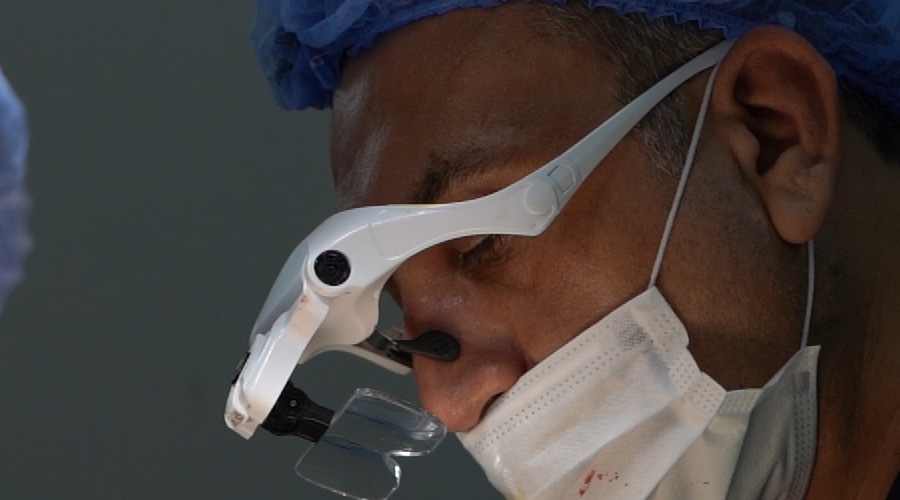
The procedure is performed under local anaesthetic. You feel no pain during extraction or implantation. After surgery, small crusts form over each implanted graft. A bandage is placed over the donor area. Dr. Arslan provides a written aftercare kit and schedules your first wash for Day 2. Sleep on your back with your head elevated 30–45° using the provided cushion — this reduces forehead swelling.

Day 1 — The Day After
Mild soreness and tightness — managed with the paracetamol prescribed. Avoid touching the recipient area. Swelling may begin around the forehead. This is normal and peaks at Day 2–3. Continue sleeping elevated. Take prescribed antibiotics and anti-inflammatory medication as directed. Eat normally, drink plenty of water.
Days 2–3 — First Wash
Return to the clinic on Day 2 for your first supervised wash. Dr. Arslan's team uses a gentle saline spray and purpose-formulated shampoo. Crusts begin to soften. Swelling peaks — some patients develop mild bruising around the eyes. This resolves entirely by Day 4–5 without intervention. Continue elevated sleeping position.
Days 4–7 — Early Healing
Swelling subsides. Crusts become less visible as washing continues. The donor area heals visibly each day — tiny extraction points fade. Most patients return to desk work by Day 5 and can be socially present wearing a loose hat. Avoid saunas, swimming, heavy exercise and direct sun on the recipient area.
Days 8–14 — Crust Shedding
Crusts shed naturally as the daily washing protocol continues. Do not pick or scratch. By Day 12–14 the recipient area looks largely clean. Donor area extraction points are near-invisible at normal social distances. Mild itching is normal — tap gently, do not scratch.
Weeks 2–4 — Shock Loss Phase
Between weeks 2–4, transplanted hairs shed. This is called shock loss — the follicle enters a resting (telogen) phase before beginning a new growth cycle. It is not failure. The follicle remains alive below the skin. Some native hair around the transplanted zone may also temporarily thin. Both recover fully in the vast majority of cases.
Months 1–3 — The Waiting Phase
Month 3 is typically the point of maximum patient anxiety. Little visible change, shed grafts, and an appearance that looks unchanged from before surgery. This is normal. The follicles are in their resting phase. Patience is required. Continue Minoxidil and Finasteride if prescribed.
Months 4–12 — Growth Phase
| Month | What to Expect |
|---|---|
| 4 | Fine, sometimes curly hair begins emerging from transplanted follicles |
| 5–6 | Visible density improvement week by week |
| 7–8 | Most patients comfortable outdoors without a hat |
| 9–10 | 80–90% of final result visible. Hair texture improving. |
| 11–12 | Results maturing. Native and transplanted hair integrating naturally. |
| 12–14 | Final result. Full adult texture, density and direction. |