Does a hair transplant hurt? What the anaesthesia involves, what patients actually feel during surgery and how Hairmedico minimises discomfort.
Pain during surgery — what patients actually feel
Hair transplant surgery is performed entirely under local anaesthesia. The scalp is numbed before any extraction or implantation begins. During the procedure itself — which may last 6–9 hours — the patient feels no pain. Many patients sleep, listen to music or watch films during surgery.
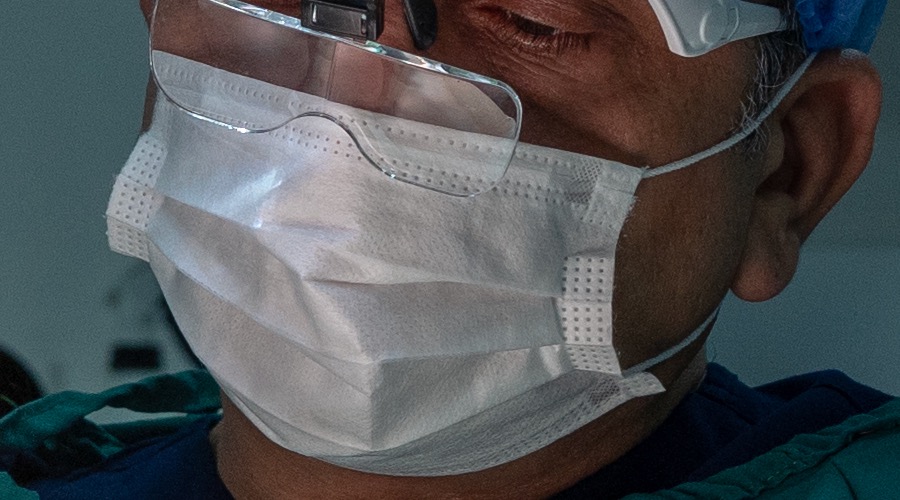
The only moment of discomfort is during the anaesthetic administration at the start. Conventional needle injection of local anaesthetic can cause a brief stinging sensation. At Hairmedico, this is eliminated entirely by the use of the Comfort-in needle-free injector — a pressurised device that delivers the anaesthetic through the skin without a needle, making the initial anaesthesia completely comfortable for the vast majority of patients.
Pain after surgery — the recovery period
| Timeline | What patients report |
|---|---|
| Day 1–2 | Mild discomfort at donor zone. Tightness. Pain score 2–3/10. Managed with paracetamol. |
| Day 3–5 | Significant improvement. Most patients pain-free. Itching may begin. |
| Day 7–10 | No pain in most patients. Scabs on recipient zone. Mild donor zone sensitivity. |
| Week 2–4 | Fully comfortable. Hair begins to shed (shock loss) — painless. |
The aftercare kit provided at Hairmedico includes post-operative pain relief, anti-inflammatory medication and a specialised healing spray. The Hairmedico 12-month follow-up includes direct WhatsApp access to the medical team for any concerns during recovery.
Managing surgical anxiety
Surgical anxiety is common and completely normal before a hair transplant. At Hairmedico, every patient has a pre-operative consultation with Dr. Arslan the morning of surgery — before anaesthesia is administered — to walk through the procedure in detail, answer any final questions and confirm the hairline design. Patients who understand exactly what is happening typically report significantly lower anxiety than those who do not.