Post-operative care after Afro hair transplant for women: scalp care, keloid prevention, moisturising and protective styling timeline.
The first 10 days — critical graft protection
The first 10 days after surgery are the most important for graft survival. The transplanted follicles are not yet anchored — they rely on the immediate tissue environment and absence of mechanical disruption to establish blood supply and begin integration. During this window:

- Sleep elevated (45° or more) for the first 5 nights — reduces swelling around the recipient zone
- Wash gently with diluted LOREW Paris foam from Day 2 — following the specific technique taught at the post-operative debrief
- Do not touch, rub or inspect the recipient area with fingers
- No heat — no hairdryers, no straighteners, no hot water directly on the scalp
- No oils or heavy products on the recipient zone during this period
Keloid prevention in Afro women
Women of African descent have an elevated risk of keloid formation compared to the general population. At Hairmedico, all Afro female patients receive a keloid-prevention protocol:
- Day 10–14: Silicone-based healing gel applied to donor zone extraction sites
- Weeks 3–12: Daily silicone application continued; avoid direct sun on donor zone
- Months 1–3: Monthly WhatsApp photograph review — any raised scar tissue identified early and managed with intralesional corticosteroid before progression
Patients with a personal or family history of keloids receive an enhanced protocol discussed at the pre-operative consultation.
Moisture and scalp health during recovery
Afro hair requires moisture to maintain elasticity and minimise breakage. During the recovery period, moisturising protocols must be adapted to protect the grafts while maintaining scalp health:
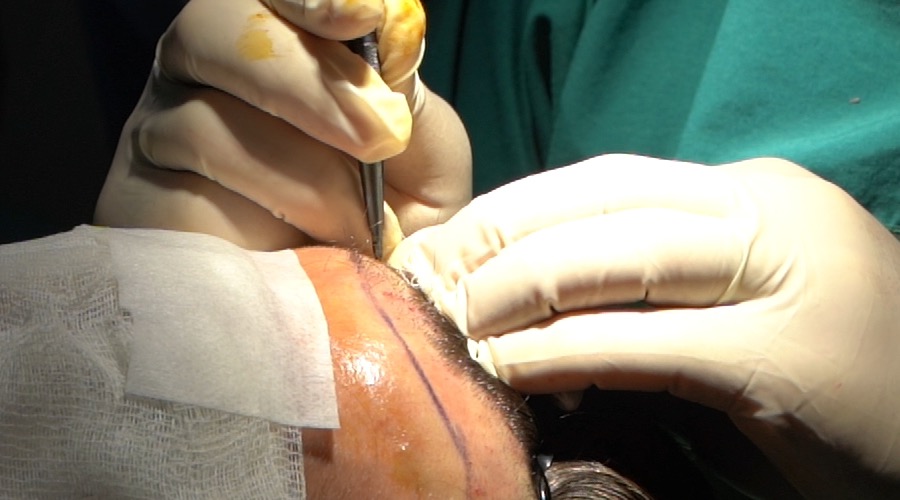
- Recipient zone: use only the aftercare products provided — no additional oils, butters or creams until Day 14
- Non-transplanted hair: continue normal moisturising routine from Day 7 onwards, avoiding the recipient zone
- From Day 14: light natural oils (jojoba, argan) can be applied around — not on — the transplanted zone
- From Month 2: normal moisture routine for the whole scalp, including transplanted zone
Long-term scalp care after Afro hair transplant
The transplanted hair requires the same care as the rest of the Afro hair — moisture, protective styling habits and avoidance of the tension and chemical stress that caused the original loss. Dr. Arslan's 12-month follow-up programme includes monthly photograph review and specific guidance on returning to styling practices safely — ensuring the surgical result is protected over the long term.