
زراعة الشعر الفاشلة ليست مجرد إزعاج بسيط. المنطقة المانحة مورد بيولوجي محدود. لا يمكن استعادة منطقة مانحة مستنزفة أو متضررة. خط شعر غير طبيعي مبني بزوايا خاطئة لا يمكن ببساطة "التراجع" عنه. عواقب زراعة الشعر الفاشلة أو المنفَّذة بشكل رديء دائمة — وفهم أسبابها هو أهم ما يمكن أن يتعلمه أي مريض محتمل.
الفئات الثلاث لفشل زراعة الشعر
حالات فشل زراعة الشعر ليست أحداثاً عشوائية. فهي تنقسم إلى ثلاث فئات متمايزة بأسباب متمايزة. فهم أي فئة تنطبق على نتيجة سيئة معينة يساعد المرضى على فهم ما حدث خطأً وما هي خيارات التصحيح المتاحة.
الفئة الأولى: الفشل الجمالي — نمت الطعوم لكن الشكل غير صحيح
الفشل الجمالي هو النوع الأكثر شيوعاً لزراعة الشعر الفاشلة. تنجو البصيلات وتنمو — لكن النتيجة تبدو مصطنعة أو غير طبيعية أو غير منسجمة مع وجه المريض. المظاهر المحددة:
- خط شعر منخفض جداً: يوضع أدنى مما يناسب العمر، ما يخلق مظهراً غريباً خصوصاً مع تقدم العمر
- خط شعر مستقيم جداً: خط شعر خطي هندسي بلا أي عدم انتظام ناعم عند الحافة الأمامية — وهو أكثر "مظهر زراعة شعر" يمكن تمييزه
- مظهر السدادات (Plugs): طعوم كثيفة موضوعة بتباعد منتظم مع فجوات جلدية واضحة بينها — يحدث عادة من تقنيات FUT القديمة أو FUE المنفَّذة بشكل رديء
- زاوية خاطئة: طعوم مزروعة بزاوية 90° على سطح فروة الرأس بدلاً من 30–45°، ما ينتج شعراً يقف للخارج بدلاً من أن يستلقي بشكل مسطح
- تأثير الجزيرة: شعر مزروع محاط باستمرار التساقط الطبيعي، ما يخلق منطقة كثافة معزولة تبدو غير منسجمة
الفئة الثانية: فشل بقاء الطعوم — النتيجة خفيفة الكثافة
يحدث فشل البقاء عندما لا تنتج نسبة كبيرة من الطعوم المزروعة نمواً. يخضع المريض للعملية، وينتظر 12 شهراً، وتظهر النتيجة كثافة أقل بكثير مما كان مخططاً له. الأسباب هي بشكل أساسي إخفاقات في جودة العملية الجراحية: نسبة قطع عالية أثناء الاستخراج، وقت طويل جداً خارج الجسم، سوء التعامل مع الطعوم، أو ري غير كافٍ أثناء الزراعة.
لكل من يفكر في إجراء زراعة شعر، فإن فهم معدلات بقاء الطعوم والسؤال عنها تحديداً خطوة أساسية قبل الحجز.
الفئة الثالثة: تضرر المنطقة المانحة — الضرر الذي لا يمكن التراجع عنه
تضرر المنطقة المانحة هو الفئة الأخطر لأنها الأقل قابلية للتصحيح. الإفراط في استخراج الطعوم من المنطقة المانحة ينتج ترققاً واضحاً أو مظهراً متقطعاً في الجزء الخلفي والجانبي من فروة الرأس. لا يمكن استعادة البصيلات المستخرجة. في الحالات الشديدة، تُستنزف المنطقة المانحة إلى درجة تجعل جلسات التصحيح المستقبلية مستحيلة — ما يترك المريض عاجزاً بشكل دائم عن معالجة تساقط الشعر الأصلي.
الأسباب السريرية — ما الذي يحدث فعلياً بشكل خاطئ
الجراحة بقيادة فنيين: السبب الجذري لمعظم الإخفاقات
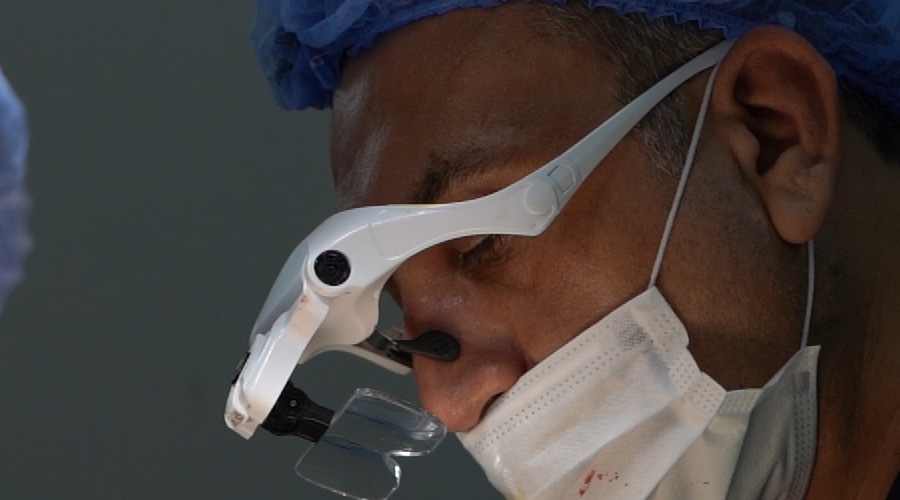
السبب الأكثر شيوعاً لفشل زراعة الشعر عبر الفئات الثلاث جميعها هو تفويض الجراحة إلى فنيين غير مرخَّصين. في عيادات إسطنبول عالية الحجم، يُنفَّذ الاستخراج والزراعة عادة من قِبل موظفين ليسوا أطباء — تلقوا تدريباً لأسابيع أو أشهر على إجراء ميكانيكي يكررونه عشرات المرات يومياً، دون التدريب التشريحي أو القدرة على التعرف على الأنماط أو الحكم الجمالي الذي يأتي من التعليم الطبي وسنوات من الممارسة الجراحية.
عواقب الجراحة بقيادة فنيين:
- معدلات قطع أعلى: يفتقر الفنيون إلى المعرفة التشريحية اللازمة لقراءة اختلافات زاوية البصيلات عبر المنطقة المانحة، ما ينتج معدلات أعلى من تلف البصيلات الناتج عن الاختراق
- غياب الحكم الجمالي: يُنفَّذ إنشاء القنوات وزوايا الزراعة بشكل ميكانيكي، دون الحكم الفني الذي ينتج نتائج طبيعية
- تفويض تصميم خط الشعر: في بعض العيادات، يُصمَّم خط الشعر من قِبل موظفين إداريين أو "منسقي مرضى"، وليس الطبيب المُجري للعملية
- غياب التعرف على المضاعفات: لا يستطيع الفنيون تحديد المضاعفات أثناء الجراحة أو تكييف التقنية استجابة لتشريح غير معتاد
وعود الطعوم المبالغ فيها: رياضيات الإفراط في الاستخراج
السقف الآمن للاستخراج — أقصى عدد من الطعوم يمكن أخذها من المنطقة المانحة دون إحداث ترقق واضح — يبلغ عادة 5,000–7,000 طعم على مدى العمر، حسب كثافة المنطقة المانحة وحجم فروة الرأس. الاستخراج الآمن في جلسة واحدة يتراوح عموماً بين 3,500–4,500 طعم مع الحفاظ على سلامة المنطقة المانحة.
العيادات التي تَعِد بـ 6,000–8,000 طعم تتجاوز هذا الحد بشكل روتيني. الحسابات لا ترحم: استخراج 60 طعماً/سم² من منطقة كثافتها الطبيعية 80 وحدة بصيلية/سم² يزيل 75% من البصيلات — تاركاً ترققاً واضحاً ودائماً. قد تبدو النتيجة الأمامية للمريض مقبولة بينما تكشف منطقته المانحة بالضبط ما جرى التضحية به لتحقيقها.
مرضى متعددون في وقت واحد: أثر ضغط الوقت
ضغط الوقت ينتج تدهوراً قابلاً للقياس في جودة جراحة زراعة الشعر. عندما تعالج العيادة 6–8 مرضى في آن واحد، تنتظر الطعوم المستخرجة وقتاً أطول قبل زراعتها بينما يتنقل الطاقم الفني المشترك بين غرف العمليات. يطول الوقت خارج الجسم. تنخفض قابلية بقاء الطعوم. تتسارع وتيرة الاستخراج لتلبية متطلبات الجدولة، ما يرفع معدلات القطع. لا شيء من هذا مرئي للمريض أثناء الجراحة. كل ذلك يظهر في نتيجة الشهر الثاني عشر.
دعم غير كافٍ بعد العملية: فقدان طعوم يمكن تجنبه
عدد كبير من إخفاقات بقاء الطعوم لا تسببها الجراحة نفسها بل التوجيه غير الكافي بعد العملية. المرضى الذين لا يدركون أن الطعوم يمكن أن تُزاح خلال الأيام 1–10، أو ينامون على المنطقة المستقبِلة، أو يعودون إلى النشاط البدني بسرعة زائدة، أو لا يتبعون بروتوكول الغسل بشكل صحيح، قد يفقدون نسباً كبيرة من طعومهم بسبب اضطراب ميكانيكي كان يمكن تجنبه.
| سبب الفشل | الفئة المتأثرة | إمكانية الوقاية |
|---|---|---|
| الجراحة بقيادة فنيين | الفئات الثلاث جميعها | 100% — باختيار الجراح |
| وعود الإفراط في الاستخراج | تضرر المنطقة المانحة، نتيجة خفيفة الكثافة | 100% — باختيار الجراح |
| مرضى متعددون في وقت واحد | بقاء الطعوم، الجانب الجمالي | 100% — باختيار نموذج العيادة |
| سوء تخزين الطعوم | بقاء الطعوم | 100% — باختيار الجراح |
| عدم الالتزام بعد العملية | بقاء الطعوم | مرتفعة — بتثقيف المريض |
الجراحة التصحيحية: ما يمكن وما لا يمكن إصلاحه
تختلف إمكانيات تصحيح زراعة الشعر الفاشلة اختلافاً كبيراً حسب نوع الفشل. فهم حدود التصحيح مهم بقدر فهم الإخفاقات الأصلية.
الفشل الجمالي (موضع خط الشعر): يمكن تصحيح خط الشعر المنخفض جداً جزئياً عبر إزالة الطعوم الأمامية بالكهرباء أو الليزر، يتبعها إعادة توزيع محتملة. الاستعادة الكاملة إلى موضع طبيعي تتطلب إزالة وإعادة توزيع أعداد كبيرة من الطعوم — وهو أمر يتطلب مهارة تقنية عالية، وجلسات متعددة، ولا يمكن التراجع عنه بالكامل أبداً. الوقاية أسهل بمراتب من التصحيح.
الفشل الجمالي (زوايا غير طبيعية): الطعوم التي نمت بزاوية خاطئة تنتج شعراً لا يمكن تصفيفه ليستلقي بشكل طبيعي. يتطلب التصحيح إزالة الطعوم المخالفة واستبدالها — إذا سمح مخزون المنطقة المانحة بذلك. إذا كان مخزون المنطقة المانحة قد استُنزف بالفعل، فالخيارات محدودة للغاية.
نتيجة خفيفة الكثافة من فشل البقاء: إذا كان مخزون المنطقة المانحة سليماً، يمكن لجلسة تكميلية أن تزيد الكثافة. إذا استخدمت العملية الأصلية أقصى استخراج ممكن من المنطقة المانحة، فخيارات التصحيح محدودة.
تضرر المنطقة المانحة: الأصعب في التصحيح. يمكن لزراعة شعر الجسم (الصدر، اللحية) أن تكمّل جزئياً المنطقة المانحة المستنزفة لكنها توفر طعوماً أقل جودة من طعوم فروة الرأس. لا يمكن استعادة الكثافة الأصلية بالكامل. هذه هي النتيجة الأشد خطورة والأقل قابلية للتصحيح في استعادة الشعر.
لمعرفة المزيد عن قدرات د. أرسلان في الجراحة التصحيحية وفلسفته، تفضل بزيارة صفحة عن Hairmedico.
الوقاية: إطار عمل اختيار الجراح
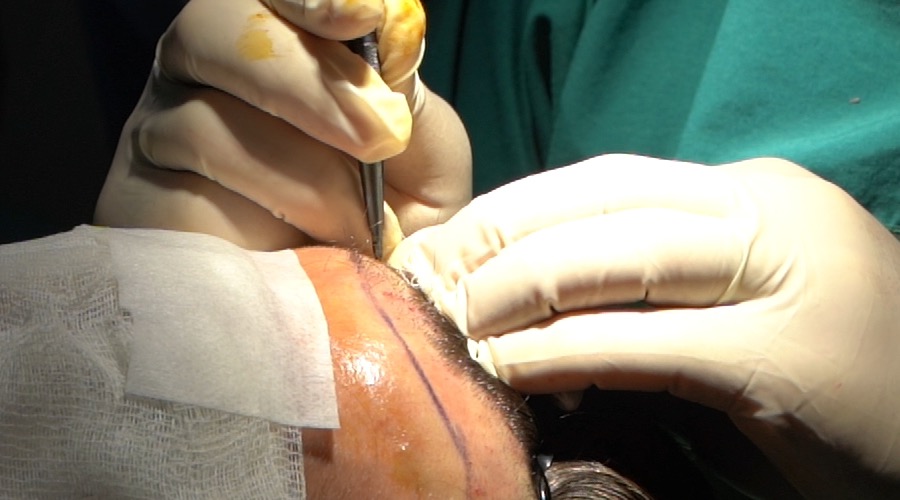
كل فئة من فئات فشل زراعة الشعر يمكن الوقاية منها باختيار الجراح المناسب. الأسئلة الخمسة التي تزيل معظم مخاطر الفشل:
- "هل يُجري الجراح المُسمّى الاستخراج والزراعة بنفسه شخصياً؟" — يجب أن يؤكد الجراح إجراءه العملية بنفسه. "يشرف" أو "يراقب" ليست إجابة مقبولة.
- "كم عدد المرضى الذين تعالجهم العيادة في اليوم الجراحي الواحد؟" — الإجابة في العيادات عالية الجودة هي مريض واحد. أكثر من اثنين يمثل مصدر قلق كبير.
- "ما هو معدل بقاء الطعوم الموثَّق لديكم؟" — يجب أن يكون 90%+. ويجب أن يكون مدعوماً بالقياس، وليس بمجرد الادعاء.
- "هل يمكنني التحقق من مؤهلاتكم بشكل مستقل؟" — يجب أن تكون عضوية FUE Europe قابلة للتحقق بشكل مستقل.
- "ما هو بروتوكولكم بعد العملية وماذا تتضمن المتابعة؟" — ينبغي أن تكون المتابعة لمدة 12 شهراً مع إمكانية الوصول إلى الجراح معياراً أساسياً ومُدرجاً ضمن الخدمة.
للاطلاع على الأسعار الشفافة لعمليات Hairmedico بإشراف الجراح، تفضل بزيارة hairmedico.com/price.
الأسئلة الشائعة
بالنسبة لمعظم المرضى الأمريكيين، نعم. صافي التوفير بعد تذاكر الطيران: 10,500–20,500 دولار أمريكي. مؤهلات د. أرسلان معتمدة دولياً وقابلة للتحقق بشكل مستقل. تبعد إسطنبول 10 ساعات عن نيويورك برحلة ليلية مباشرة مع الخطوط الجوية التركية.
تقييم عبر صور واتساب ← الحجز ← الطيران إلى إسطنبول (رحلات مباشرة من نيويورك، لوس أنجلوس، شيكاغو، ميامي) ← نقل VIP ← العملية ← التعافي 4–5 ليالٍ ← العودة إلى الوطن ← متابعة عبر واتساب لمدة 12 شهراً. منسق يتحدث الإنجليزية طوال الرحلة. بلا أي حواجز لغوية.
الأسئلة الشائعة
باقة Hairmedico الشاملة: ابتداءً من €2,600 — يُحدَّد وفق عدد الطعوم والتقنية والباقة المختارة.
نعم. البصيلات المزروعة مقاومة لهرمون DHT وتستمر في النمو مدى الحياة.
العمل المكتبي: 5–7 أيام. تسقط القشور بحلول اليوم 10–14. يبدأ النمو الجديد من الشهر 3–5. النتيجة النهائية بين الشهر 12 و14.
في باقة VIP يقوم د. أرسلان مصبح شخصياً بكل خطوة — الاستخراج وفتح القنوات والزراعة. في باقة Gold يجري الاستشارة وفتح القنوات بنفسه، ويتولى فريق العيادة الطبي الخطوات الأخرى. في باقة Silver تُجرى العملية بالكامل من أطباء العيادة وفريقها الطبي. مريض واحد في اليوم في جميع الباقات.
نعم، شريطة اختيار عيادة معتمدة بإشراف جراح. تحقق من عضوية FUE Europe، وتسجيل وزارة الصحة، وتأكد أن الجراح يُجري العملية بنفسه.
الأسئلة الشائعة
- . مسح تعداد الممارسات — بيانات استعادة الشعر العالمية 2022. 2022. https://www.fue-europe.com/professionals/resources/practice-census/
- Onda M et al. Follicular unit extraction: a systematic review. J Plastic & Reconstructive Surgery, 2020. https://doi.org/10.1016/j.bjps.2019.11.006
- Bernstein RM. Follicular unit transplantation. Dermatologic Clinics, 2013. https://doi.org/10.1016/j.det.2013.06.002
- Cranwell W, Sinclair R. Male androgenetic alopecia. Endotext NCBI, 2023. https://www.ncbi.nlm.nih.gov/books/NBK278957/
- NHS. Hair loss treatment overview. National Health Service UK, 2024. https://www.nhs.uk/conditions/hair-loss/
جميع المراجع مستندة إلى أبحاث طبية محكّمة أو منشورات رسمية من جهات صحية معتمدة. لا تتضمن أي مصادر تجارية.
Dr. Arslan Musbeh
- ✓ عضو كامل في FUE Europe
- ✓ معتمد من وزارة الصحة
- ✓ محاضر في جامعة ليون 1
- ✓ أكثر من 17 عاماً · أكثر من 3,000 حالة
- ✓ مريض واحد في اليوم
- ✓ مبتكر Algorithmic FUE™