نظرة عامة
Hair
زراعة
تركيا

عيادة لاستعادة الشعر بإشراف جراح في ليفنت، إسطنبول، منذ 2007.

استعرض الكل ←
Lorew Paris
عناية فاخرة بالشعر من Hairmedico
اكتشف ←
سري · مجاني
تقييم شخصي من د. أرسلان

أرسل 3–5 صور. رد شخصي خلال 24 ساعة — بدون وسطاء.

اطلب الآن ←
17+
سنة
1
مريض/يوم
الجراحة
التقنيات
والإجراءات

تُختار وفق نمط تساقط شعرك وأهدافك الجمالية.

FUE vs DHI →
أداة تفاعلية
أي تقنية تناسبك؟

FUE, DHI or Algorithmic FUE™ — Dr. Arslan recommends based on your photographs and Norwood stage.

احصل على تقييم ←
جرّب الحاسبة ←
لماذا تركيا
جراحة بمستوى
عالمي.
بسعر محلي.

عضو FUE Europe. عيادة معتمدة من وزارة الصحة. ليفنت، إسطنبول — أقل بنسبة 60–80% من بريطانيا أو الولايات المتحدة.

اطّلع على الباقة ←
الجراح
Dr. Arslan
Musbeh

عضو FUE Europe. معتمد من وزارة الصحة. أكثر من 17 عاماً. أكثر من 4500 عملية أجراها بنفسه. مريض واحد في اليوم.

الملف الكامل ←
Dr. Arslan · Istanbul
«مريض واحد. يوم واحد. بلا استثناء.»

كل طعم يُزرع بيده. وكل نتيجة مسؤوليته الشخصية.

اقرأ الفلسفة ←
17+
سنة
4,500+
الحالات
FUE
Europe
الأسعار
شامل كل شيء
الباقات

لا تكاليف خفية. الفندق والمواصلات والعملية والمتابعة في سعر واحد.

اطّلع على الأسعار ←
الأكثر اختياراً
VIP — FUE–DHI

Silver · Gold · VIP — فندق 5 نجوم · مواصلات المطار · PRP مشمول

اطّلع على الأسعار ←
حاسبة الطعوم ←
النتائج
حقيقية
قبل
وبعد

كل حالة أجراها د. أرسلان مصبح بنفسه.

المعرض الكامل ←
بدون جراحة
أبعد من
الجراحة

ليست كل حالة تحتاج زراعة. علاجات دوائية وعلاجات أخرى وخيارات تخصصية.

نظرة عامة ←
معرفة طبية
معلومات
قبل أن
تقرر.

أدلة وأدوات ومحتوى متخصص — بقلم د. أرسلان مصبح.

كل المقالات ←
تقييم شخصي WhatsApp
زراعة الشعر
زراعة الشعر في تركيا
التقنيات
التقنيات
الإجراءات
لماذا تركيا
مقارنات بين الدول
بدون جراحة
العلاجات الدوائية
معلومات
الأدلة & الأدوات
العيادة Dr. Arslan Musbeh الأسعار & الباقات قبل & بعد عن Hairmedico اتصل بنا
MoH Accredited
مريض واحد / يوم
Reviews
Hairmedico Blog Technique Guides FUE vs DHI
← Technique Guides

FUE vs DHI — Which Hair Transplant Technique Is Right for You?

Both FUE and DHI extract follicles individually. The real difference is in implantation — and that difference determines density, angle precision and recovery. Here is what you actually need to know.

A
Dr. Arslan Musbeh
FUE Europe Member · Hair Transplant Surgeon
12 min read · Updated March 2026

The Short Answer

FUE and DHI both extract follicular units individually from the donor zone. The extraction phase is identical. The difference is entirely in how those grafts are implanted — and that difference has meaningful clinical consequences for density, angle precision, healing speed and the areas where each technique excels.

"Most patients come to me asking whether they want FUE or DHI. The better question is: what is your Norwood stage, what is your donor density, and what result do we want to achieve? The technique follows from the answer — not the other way around." — Dr. Arslan Musbeh

The Extraction Phase — Identical in Both Techniques

Whether your procedure is classified as FUE or DHI, the extraction is the same. A precision punch tool — typically 0.7–0.9mm in diameter — is used to remove individual follicular units from the permanent donor zone in the occipital and parietal areas of the scalp.

At Hairmedico, all extractions are governed by Algorithmic FUE™ methodology — a systematic approach to donor mapping and extraction sequencing developed by Dr. Arslan Musbeh over 17 years. This ensures donor zone density is protected long-term regardless of which implantation technique is selected.

Tiny dot scars (under 1mm) are left at each extraction site. These are not visible to the naked eye at hair lengths of grade 2 or above, and are identical whether the session is FUE or DHI.

The Implantation Phase — Where FUE and DHI Diverge

FUE Implantation

In FUE, the surgeon creates recipient channels using a blade (steel or sapphire) at precisely planned angles, directions and depths. Once all channels are created, grafts are placed into them individually. This two-phase approach allows comprehensive pre-planning of the distribution pattern before any graft is placed.

DHI Implantation

In DHI, each graft is loaded into a Choi implanter pen and implanted in a single motion — the channel is created and the graft is placed simultaneously, without pre-made channels. This allows the surgeon to select the angle and direction of each graft at the exact moment of implantation, with the pen itself controlling depth.

The practical difference: FUE allows complete pre-planning of the channel pattern before implantation begins. DHI allows per-graft angle selection at the moment of implantation. Both produce natural results in expert hands — the choice depends on the case.

When Dr. Arslan Recommends FUE

  • Large coverage areas (Norwood IV–VI): Sessions of 2,000–3,000+ grafts covering broad scalp areas
  • Mid-scalp and vertex: Areas where graft count matters more than individual angle precision
  • Combined with Sapphire blades: Sapphire FUE creates finer V-shaped channels with less post-operative swelling
  • Faster total session time: When the channel-creation phase can be completed efficiently before implantation

When Dr. Arslan Recommends DHI

  • Hairline restoration: Where each graft's direction determines the naturalness of the result
  • Crown density: Tight packing in a circular area where density is the primary goal
  • No-shave procedures: DHI can be performed without shaving the recipient area — the Choi pen implants between existing hairs
  • Beard and eyebrow transplants: Where precise directional control is critical to a natural appearance
  • Higher graft count per session: Up to 4,500 grafts in a single DHI session

The Density Question

DHI consistently allows higher graft density in a given area. Because there are no pre-made channels competing for space, grafts can be positioned more closely without the channels encroaching on each other. For hairlines and crown patches where the visual goal is full density, this is a meaningful advantage.

FUE is not a low-density technique — it is well-suited to standard density requirements across large areas. The density advantage of DHI is most relevant when the goal is maximum packing in a specific zone.

Recovery — Is There a Difference?

Recovery is broadly similar between FUE and DHI. The donor zone heals within 7–10 days in both cases. Recipient area scabbing resolves at 10–14 days. Return to office work is typically possible within 5–7 days.

DHI produces slightly less post-operative redness and swelling in the recipient area (no open channels bleeding simultaneously) — but the difference is marginal in practice. Both techniques follow the same recovery timeline: shedding at weeks 2–4, initial growth at 3–4 months, 50% result visible at 6 months, full density at 12–14 months. See the complete recovery timeline.

The Decision — How Dr. Arslan Chooses

The technique recommendation follows from the photograph assessment. Dr. Arslan evaluates Norwood stage, donor density, hair calibre, the area being restored and the density goal. In many cases, he uses a combination within the same session: FUE or Sapphire FUE for broad mid-scalp coverage, DHI for the hairline detail work.

The technique is never determined by the package selected. Both techniques are available across all packages. Pricing is based on session requirements — graft count and complexity — not technique choice. See the all-inclusive packages for full detail, or view real FUE and DHI results from Hairmedico patients.

Related articles

Your Assessment

FUE or DHI?
Send photos —
Dr. Arslan decides.

Submit 3–5 photographs of your front hairline, crown and donor zone. Dr. Arslan reviews every case personally and responds with a specific technique recommendation and all-inclusive quote.

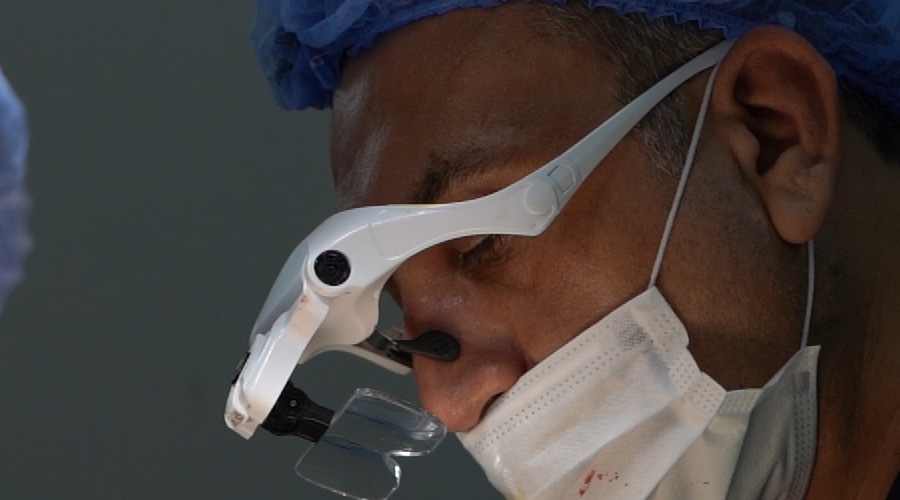
Advanced hair restoration technique under magnification
Hairmedico Istanbul — Advanced hair restoration technique under magnification
Send Photos — Get Quote WhatsApp

Free · Confidential · 24h response

All-Inclusive Package
FUE or DHI by Dr. Arslan personally
5-star hotel · VIP transfers
PRP + LOREW kit + 12mo follow-up
View packages →
Share this article
Follow Hairmedico
Verified Patient Reviews

Trustpilot — In their own words.

After researching countless clinics, I specifically didn't want a "hair mill." Dr. Arslan is hands-on throughout the entire process. I came from Australia and the experience was seamless.

Hair follicle trichoscopy and donor density analysis
Hairmedico Istanbul — Hair follicle trichoscopy and donor density analysis

Dr. Arslan was present throughout the surgery and personally performed the majority of key procedures. His professionalism and dedication made all the difference.

I already see good hair growth after only 17 weeks. The professionalism of the team and facilities was excellent.

Dr. Arslan was incredibly professional — he explained all procedures clearly. The clinic was spotless and the staff were super friendly.

From first contact, communication was prompt, transparent and efficient. My expectations were surpassed by the services and attention I received.

After 5 years of research I chose Hairmedico. Even on a basic package, Dr. Arslan performed the critical incision phase himself.

Dr. Arslan Musbeh
Dr. Arslan Musbeh
Hair Transplant Surgeon · Founder, Hairmedico
FUE Europe Member · Ministry of Health Accredited · 17+ Years · 4,500+ Personal Cases
FUE Europe — Full Member 17+ Years · 4,500+ Cases
April 2026 Published April 17, 2026 Last updated Dr. Arslan Musbeh Medical review ~10 min Reading time
References & Sources
  1. Onda M et al. Follicular unit extraction: A systematic review of the literature. Journal of Plastic, Reconstructive & Aesthetic Surgery. 2020. https://doi.org/10.1016/j.bjps.2019.11.006
  2. Bernstein RM, Rassman WR. Follicular unit transplantation: 2005. Dermatologic Clinics. 2005. https://doi.org/10.1016/j.det.2005.01.007
  3. Avram MR, Rogers NE. Contemporary hair transplantation. Dermatologic Surgery. 2009. https://doi.org/10.1111/j.1524-4725.2009.01338.x
  4. Kim JC, Choi YC. Direct hair implantation: a clinical evaluation. International Journal of Trichology. 2013. https://doi.org/10.4103/0974-7753.122968
  5. Rashid RM, Morgan BS. FUE hair transplant automation — challenges of the latest technology. Dermatology Online Journal. 2012. https://escholarship.org/uc/item/9s4769s3
  6. Bernstein RM. Follicular unit transplantation. Dermatologic Clinics. 2013. https://doi.org/10.1016/j.det.2013.06.002

All references are peer-reviewed medical literature or official health authority publications. No commercial sources included.