
من بين جميع العوامل التي تحدّد ما إذا كانت نتيجة زراعة الشعر تبدو طبيعية أم مصطنعة، يُعدّ تصميم خط الشعر الأمامي العامل الأهم على الإطلاق. ليست التقنية. وليس عدد الطعوم. ولا التكنولوجيا المستخدمة. خط الشعر — بموضعه وشكله وتدرّج كثافته وزاويته — هو ما يراه العالم عند النظر إلى وجهك. إذا صُمِّم بشكل صحيح، تصبح النتيجة غير ملحوظة إطلاقاً. وإذا أُخطئ فيه، يكون الخطأ دائماً.
العلم والفن
يقع تصميم خط الشعر الأمامي في جراحة استعادة الشعر عند تقاطع تخصصين: تشريح الوجه (وهو علم له معايير قابلة للقياس) والحس الجمالي (وهو فن يتطلّب سنوات من الصقل). أفضل النتائج يحققها الجراحون الذين يتقنون الاثنين معاً.
يحدّد العلم القيود: قاعدة الأثلاث، ونطاق الارتفاع المناسب لشكل الوجه والعمر، وزاوية التراجع الصدغي المعيارية لمختلف الأعراق، والمناطق التشريحية لفروة الرأس الأمامية. تنتج هذه القيود مجموعة من المواضع المقبولة لخط الشعر — لكنها لا تحدد إجابة صحيحة واحدة.
أما الفن فيحدد الإجابة المثلى ضمن تلك القيود: الموضع المحدد الذي يلائم هذا الوجه، وهذا العمر، وهذا العرق، وهذا التوقع الحياتي. هذا الحكم الجمالي لا يمكن نمذجته أو توليده خوارزمياً. إنه يتطور عبر آلاف الحالات ويُصقل من خلال التقييم النقدي للنتائج على المدى الطويل.
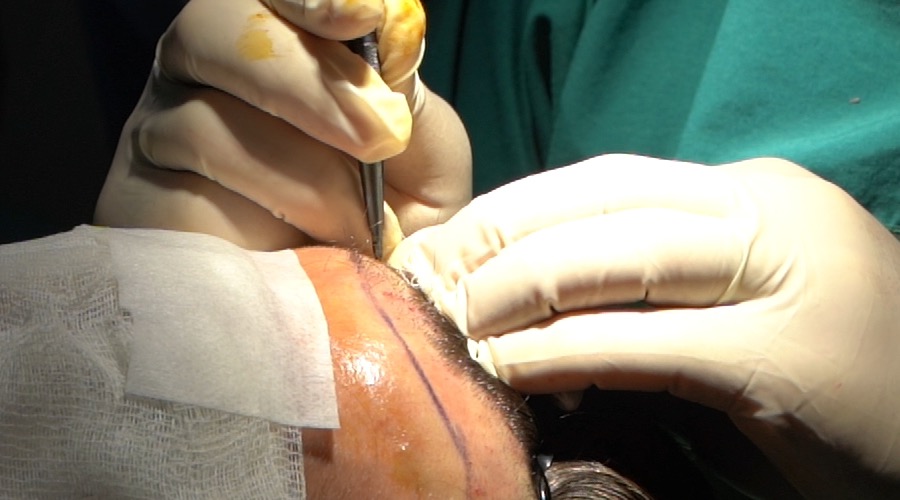
في Hairmedico، تبدأ كل عملية زراعة شعر بجلسة تصميم خط الشعر التي تستغرق 20–30 دقيقة — يجلس فيها د. أرسلان مع المريض، في وضعية مستقيمة، تحت إضاءة طبيعية، ويرسم مباشرة على فروة الرأس بقلم جراحي. لا قوالب جاهزة. ولا محاكاة رقمية تحلّ محل الحكم الجمالي. يرى المريض التصميم ويوافق عليه قبل إعطاء أي تخدير.
قاعدة الأثلاث ونِسَب الوجه
الإطار الكلاسيكي لتحديد موضع خط الشعر هو قاعدة الأثلاث: يُقسَّم الوجه إلى ثلاث مناطق أفقية متساوية — من خط الشعر إلى الحاجب، ومن الحاجب إلى قاعدة الأنف، ومن قاعدة الأنف إلى الذقن. يُعدّ خط الشعر الذي يُنتج أثلاثاً متساوية متوازناً من الناحية النسبية.
في الممارسة العملية، توفّر هذه القاعدة نقطة انطلاق لا وصفة صارمة. عدة عوامل تُعدِّل قاعدة الأثلاث عند التخطيط لاستعادة الشعر:
تعديل حسب العمر: يختلف خط الشعر المناسب لشاب عمره 25 عاماً يعاني من تراجع من الدرجة الثالثة على مقياس نوروود عن ذلك المناسب لرجل عمره 50 عاماً بنفس نمط التساقط. قد تُنتج قاعدة الأثلاث موضعاً يبدو أصغر سناً مما يليق بوجه المريض الأكبر عمراً — مما يخلق تنافراً يكشف عن العملية الجراحية بدلاً من إخفائها.
ارتفاع الجبهة: قد تستفيد الجباه الطويلة (أكثر من 7.5 سم من الحاجب إلى خط الشعر) من موضع أخفض لخط الشعر لتحقيق التوازن النسبي. أما الجباه القصيرة (أقل من 6 سم) فتتطلب موضعاً متحفظاً لتجنّب مظهر غير طبيعي منخفض جداً.
شكل الوجه: عادةً ما تستفيد الوجوه المستديرة من خط شعر أعلى قليلاً وأكثر زاويةً يضيف طولاً بصرياً عمودياً. أما الوجوه البيضاوية فتتحمل تبايناً أوسع. والوجوه الطويلة تتطلب تجنّباً دقيقاً للمواضع التي قد تزيد من إطالتها.
الاعتبارات العرقية: تختلف معايير موضع خط الشعر بين الأعراق. عادةً ما يكون خط الشعر الطبيعي لدى مرضى منطقة البحر الأبيض المتوسط والشرق الأوسط أخفض منه لدى مرضى شمال أوروبا. ولدى المرضى من أصول أفريقية وكاريبية أشكال خاصة لخط الشعر الطبيعي تتطلب تصميماً ملائماً عرقياً — لا تصميماً مقتبساً من نموذج أوروبي.
شكل خط الشعر: المتغيرات التي تصنع الطبيعية
الموضع ليس سوى بُعد واحد من أبعاد تصميم خط الشعر. أما الشكل — أي المعالم الدقيقة لخط الشعر عبر الجبهة — فهو لا يقلّ أهمية، بل يتطلّب مهارة تقنية أكبر بكثير لتنفيذه بإتقان.
| عنصر التصميم | المظهر الطبيعي | المظهر المصطنع |
|---|---|---|
| انتظام الحافة الأمامية | محيط دقيق ناعم وغير منتظم قليلاً | حافة مستقيمة هندسية |
| التماثل الجانبي | شبه متماثل مع تفاوت طفيف | تماثل هندسي تام |
| الكثافة عند الحد | شعرات مفردة دقيقة عند الحافة الأمامية | طعوم كثيفة متعددة الشعرات عند الحافة الأمامية |
| زاوية التراجع الصدغي | تراجع طفيف يطابق النمط العرقي الطبيعي | بلا تراجع — شكل مربع غير طبيعي |
| الذروة المركزية | ذروة مركزية ناعمة وخفيفة أو ذروة أرملة | بلا ذروة (مسطحة) أو ذروة مبالغ فيها |
| منطقة الانتقال | زيادة تدريجية في الكثافة من الحافة إلى الداخل | قفزة مفاجئة من الجلد العاري إلى الشعر الكثيف |
السبب الأكثر شيوعاً لظهور خط الشعر بمظهر مصطنع واضح هو الخطأ الأخير في هذا الجدول: وضع طعوم كثيفة متعددة الشعرات مباشرة عند الحافة الأمامية، مما ينتج عنه جدار مفاجئ من الشعر بدلاً من تدرّج طبيعي. ففي فروة الرأس الطبيعية، تحتوي الحافة الأمامية لخط الشعر بشكل شبه حصري على وحدات بصيلية أحادية الشعرة — تقف كل شعرة منفصلة قليلاً عن جاراتها، مما يخلق حداً ناعماً وعضوياً.
التصميم الكلي والتصميم الدقيق
يعمل التخطيط الاحترافي لخط الشعر على مستويين في آن واحد: التصميم الكلي (Macro-design) والتصميم الدقيق (Micro-design).
التصميم الكلي يحدد الشكل والموضع العامّين: أين يقع خط الشعر، وما زاوية التراجع الصدغي، وهل توجد ذروة أرملة، وكيف يتناسب خط الشعر مع تشريح وجه المريض الخاص؟ هذا هو التصميم الذي يراه المريض ويوافق عليه في جلسة التصميم.
التصميم الدقيق يحدد التنفيذ على مستوى كل طعم على حدة: أي المواضع بالتحديد تستقبل الطعوم أحادية الشعرة، وأين يحدث الانتقال من وحدة بصيلية واحدة إلى وحدتين إلى ثلاث، والزاوية الدقيقة لكل قناة، وعمق الزراعة. هذا هو التصميم الذي ينفذه الجراح خلال المرحلة الجراحية — وهو غير مرئي للمريض، ويعتمد كلياً على مهارة الجراح وحسه الجمالي.
طوّر د. أرسلان مصبح أسلوبه في التصميم الدقيق على مدى 3,000 حالة شخصية. فالتفاوت الطفيف الذي يُدخله في وضع الحافة الأمامية — لمنع الانتظام "المثالي أكثر من اللازم" الذي يكشف عن العملية الجراحية — هو أحد أكثر الجوانب تقديراً في نتائج Hairmedico كما تصفها تقييمات المرضى.
تعرّف على مؤهلات د. أرسلان ومنهجه في استعادة الشعر بأسلوب شخصي.
التصميم لعشرين عاماً قادمة، لا لليوم فقط
أخطر أخطاء تصميم خط الشعر ليس خطأً تقنياً — بل خطأ زمني. فتصميم خط الشعر بناءً على مظهر المريض اليوم، دون مراعاة كيف سيبدو بعد 20 عاماً، ينتج نتيجة لا تصمد جيداً مع الزمن.
خط الشعر المصمَّم عند أدنى موضع ممكن لشاب عمره 28 عاماً يخلق مشكلة محددة: مع استمرار تراجع الشعر الطبيعي حول المنطقة المزروعة (الشعر المزروع دائم، أما الشعر الطبيعي فليس كذلك)، يصبح خط الشعر المزروع معزولاً بشكل متزايد — كجزيرة من الشعر الكثيف تطفو فوق تراجع مستمر. وتصحيح هذه النتيجة يتطلب إما عملية زراعة ثانية لتغطية التراجع، أو جراحة تصحيحية لرفع خط الشعر، أو كليهما معاً.
منهج د. أرسلان: "أُصمّم من أجل وجه المريض حين يبلغ الخمسين، لا من أجل تفضيله لخط شعر في الثلاثين. مهمتي أن أضمن أن النتيجة ستظل تبدو صحيحة بعد 20 عاماً — لا أن تكون ممتازة اليوم فقط." وهذا يعني أن موضع خط الشعر قد يكون أكثر تحفظاً بقليل مما يفضّله بعض المرضى في البداية. وتتضمن المناقشة دائماً محاكاة طويلة المدى للتساقط المتوقَّع دون علاج طبي، ومع استخدام فيناسترايد، لمساعدة المريض على اتخاذ قرار تصميم مبني على معرفة كاملة.
تصميم خط الشعر حسب العرق: لا نموذج واحد يناسب الجميع
لطالما هيمنت على جراحة استعادة الشعر تقنيات طوّرها جراحون من أصول قوقازية لعلاج مرضى من نفس الأصول. والنتيجة: نزعة مستمرة لتطبيق الجماليات الأوروبية لخط الشعر بشكل عام — مع نتائج ضعيفة متوقعة للمرضى من خلفيات عرقية مختلفة.
تضمّ قاعدة مرضى د. أرسلان مرضى من الشرق الأوسط وشمال أفريقيا وأفريقيا جنوب الصحراء وشرق آسيا وجنوب آسيا، وكذلك من أوروبا والأمريكتين. ولكل مجموعة عرقية معايير خاصة بخط الشعر الطبيعي:
- البحر الأبيض المتوسط / الشرق الأوسط: موضع أساسي أخفض لخط الشعر، وذروة مركزية بارزة شائعة، ومنطقة خط شعر أكثر كثافة بشكل ملائم
- شمال أوروبا: موضع أساسي أعلى، وتراجع نمطي على شكل حرف M، وتصميم متحفظ ملائم
- أفريقي / كاريبي: شكل خاص لخط الشعر الأمامي بقسم مركزي مسطح، ونمط تراجع صدغي محدد، وقد تؤثر جماليات خط الشعر المنخفض التدرج على تفضيلات التصميم
- شرق آسيا: موضع أساسي أعلى غالباً، وتراجع صدغي أقل في النمط الطبيعي، واعتبارات خاصة بزاوية الشعر بسبب طبيعته المستقيمة والخشنة
تصميم خط الشعر الذي لا يراعي المعايير العرقية لا يبدو فقط "غير ملائم تماماً" — بل قد يبدو غير طبيعي بوضوح لأي شخص مطّلع على السياق الجمالي العرقي للمريض.
نقاط الصدغ: التفصيل المهمَل غالباً
نقاط الصدغ — الامتدادات الصغيرة من الشعر التي تؤطر الوجه عند الصدغين — هي من أكثر عناصر استعادة خط الشعر قدرةً على إعادة مظهر الشباب، ومن أكثرها إهمالاً في الوقت نفسه. ففي الثعلبة الوراثية الذكورية، تكون الصدغان عادةً أول منطقة تتراجع. واستعادتهما — حتى بعدد متواضع من الطعوم — تُغيّر بشكل كبير إطار الوجه وتخلق استعادة أكثر اكتمالاً.
تتطلب استعادة نقاط الصدغ مهارات خاصة: يجب زراعة الطعوم في هذه المنطقة بزوايا حادة جداً (شبه مسطحة على سطح الجلد)، وبوحدات دقيقة جداً أحادية الشعرة، مع تراجع طبيعي يتناسب مع تصميم خط الشعر الأوسع. عند تنفيذها بإتقان، تكون هذه التفاصيل هي ما يحوّل "نتيجة زراعة شعر" إلى مجرد "شعره الطبيعي". أما عند تنفيذها بشكل رديء، فتبدو نقاط الصدغ مزروعة أو غير متناسقة مع الشعر الطبيعي.
عملية التصميم في Hairmedico
تتبع كل جلسة تصميم في Hairmedico نفس البروتوكول:
- وضعية مستقيمة: يجري التصميم والمريض جالس — لا مستلقياً أبداً. فالجاذبية وتعابير الوجه ووضعية الرأس الطبيعية جميعها تؤثر في كيفية ظهور خط الشعر في الحياة اليومية.
- فروة رأس جافة وإضاءة طبيعية: تُزال منتجات الشعر. لا تصوير بالفلاش. إضاءة العيادة الطبيعية لتقييم فروة الرأس كما ستُرى في الظروف الحقيقية.
- نقاش تدريجي: يرسم د. أرسلان خط الشعر المقترح ويناقش عناصر التصميم — الموضع، والذروة، وتراجع الصدغين، والتماثل — قبل موافقة المريض.
- محاكاة طويلة المدى: تُناقَش مسارات التساقط المتوقعة خلال 10 و20 عاماً، ويُعدَّل التصميم إذا اقتضت الحاجة.
- موافقة المريض النهائية: يوافق المريض شفهياً على التصميم، ويُصوَّر التصميم للسجل الجراحي.
- لا تعديلات بعد التخدير: لا تُجرى أي تعديلات على التصميم بعد تخدير المريض. التصميم المعتمد هو الخطة الجراحية.
لمزيد من التفاصيل حول أسعار وباقات Hairmedico، تفضل بزيارة hairmedico.com/ar/alasaar.
الأسئلة الشائعة
يقع خط الشعر الأمثل على بُعد نحو 7–9 سم فوق الحاجب لدى معظم الرجال، ويُعدَّل حسب نِسَب الوجه والمعايير العرقية. يصمم د. أرسلان كل خط شعر بحضور المريض وهو في وضعية مستقيمة، مع مراعاة الموضع المناسب للعمر ومسار التساقط المتوقع خلال 20 عاماً.
يتميز خط الشعر الطبيعي بـ: حافة أمامية غير منتظمة (وليست مستقيمة)، وشعرات مفردة عند الحدود، وزيادة تدريجية في الكثافة خلف الحافة، وزاوية واتجاه صحيحين، وعدم تماثل طفيف، وارتفاع مناسب للعمر. تستغرق جلسة تصميم خط الشعر لدى د. أرسلان من 20 إلى 30 دقيقة قبل بدء أي عملية جراحية.
خط الشعر المنخفض جداً يمكن تصحيحه جزئياً بإزالة طعوم الحافة الأمامية — وهو إجراء يتطلب مهارة تقنية عالية. أما خط الشعر المرتفع جداً فيمكن خفضه بزراعة إضافية. لهذا السبب تُعدّ جلسة التصميم قبل الجراحة أهم خطوة غير جراحية في العملية بأكملها.
الأسئلة الشائعة
باقة Hairmedico الشاملة: ابتداءً من €2,600 — يُحدَّد حسب عدد الطعوم والتقنية والباقة المختارة.
نعم. البصيلات المزروعة مقاومة لهرمون DHT وتستمر في النمو مدى الحياة.
العمل المكتبي: 5–7 أيام. تسقط القشور بحلول اليوم 10–14. يبدأ النمو الجديد من الشهر 3 إلى 5. النتيجة النهائية بعد 12–14 شهراً.
في باقة VIP يقوم د. أرسلان مصبح شخصياً بكل خطوة — الاستخراج وفتح القنوات والزراعة. في باقة Gold يجري الاستشارة وفتح القنوات بنفسه، ويتولى فريق العيادة الطبي الخطوات الأخرى. في باقة Silver تُجرى العملية بالكامل من أطباء العيادة وفريقها الطبي. مريض واحد في اليوم في جميع الباقات.
نعم، بشرط اختيار عيادة معتمدة بإشراف جراح. تحقق من عضوية FUE Europe، وتسجيل وزارة الصحة، وتأكد أن الجراح يُجري العملية بنفسه.
الأسئلة الشائعة
- . مسح إحصائي للممارسة — بيانات عالمية لاستعادة الشعر 2022. 2022. https://www.fue-europe.com/professionals/resources/practice-census/
- Onda M وآخرون. استخراج الوحدات البصيلية: مراجعة منهجية. مجلة الجراحة التجميلية والترميمية، 2020. https://doi.org/10.1016/j.bjps.2019.11.006
- Bernstein RM. زراعة الوحدات البصيلية. Dermatologic Clinics، 2013. https://doi.org/10.1016/j.det.2013.06.002
- Cranwell W, Sinclair R. الثعلبة الوراثية الذكورية. Endotext NCBI، 2023. https://www.ncbi.nlm.nih.gov/books/NBK278957/
- NHS. نظرة عامة على علاج تساقط الشعر. الخدمة الصحية الوطنية البريطانية، 2024. https://www.nhs.uk/conditions/hair-loss/
جميع المراجع مستمدة من أبحاث طبية محكّمة أو منشورات رسمية من هيئات صحية معتمدة. لا توجد مصادر تجارية ضمن هذه القائمة.
Dr. Arslan Musbeh
- ✓ عضو كامل في FUE Europe
- ✓ معتمد من وزارة الصحة
- ✓ محاضر في جامعة ليون 1
- ✓ أكثر من 17 عاماً · أكثر من 3,000 حالة
- ✓ مريض واحد في اليوم
- ✓ مبتكر تقنية Algorithmic FUE™