
زراعة الشعر الثانية ليست علامة على فشل الزراعة الأولى. غالباً ما تكون المرحلة الثانية المخطط لها ضمن استراتيجية شاملة لاستعادة الشعر — خصوصاً للمرضى الذين يعانون تساقطاً واسعاً لا يمكن تغطية كامل منطقة الاستقبال لديهم بأمان في جلسة واحدة. فهم متى تكون الزراعة الثانية مناسبة، وما الذي يمكن أن تحققه، وكيف تُدار مخزونات منطقة المعطي عبر عدة جلسات، هو أحد أهم أسئلة التخطيط التي يمكن أن يطرحها أي مريض يسعى لاستعادة شعره.
لماذا يحتاج بعض المرضى إلى زراعة شعر ثانية
هناك ثلاث حالات مختلفة تدفع المرضى للتفكير في زراعة شعر ثانية:
1. استراتيجية جلستين مخطط لها
بالنسبة للمرضى في مرحلة نوروود V أو VI، تتجاوز المساحة الإجمالية لمنطقة الاستقبال ما يمكن تغطيته بأمان في جلسة واحدة. خطة مدروسة من جلستين — الجلسة الأولى لمعالجة المنطقة الأمامية، والجلسة الثانية بعد 12 شهراً لمعالجة التاج — تُنتج نتيجة أفضل على المدى الطويل من محاولة تغطية كل شيء في جلسة استخراج قصوى واحدة. في Hairmedico، يُعد التخطيط لجلستين التوصية القياسية لمرضى نوروود V فما فوق.
2. استمرار تساقط الشعر الطبيعي
الشعر المزروع دائم؛ أما الشعر الطبيعي فليس كذلك. بعد نجاح العملية الأولى، قد يستمر الثعلبة الأندروجينية في ترقيق الشعر الطبيعي المحيط بالمنطقة المزروعة — ما يخلق تبايناً في الكثافة يستدعي جلسة تكميلية لملء وتنعيم مناطق الانتقال. هذا هو السبب الأكثر شيوعاً لعودة المرضى لعملية ثانية بعد 5–10 سنوات من الأولى.
3. تصحيح نتيجة سابقة غير مُرضية
المرضى الذين حصلوا على نتائج غير مُرضية في عيادات أخرى — كثافة ضعيفة نتيجة تدني نسبة نجاة الطعوم، أو خط شعر غير طبيعي بسبب زوايا خاطئة، أو تغطية غير كافية نتيجة نقص عدد الطعوم — قد يسعون لعملية ثانية لتحسين أو تصحيح النتيجة الأصلية.
إذا كنت تقيّم ما إذا كانت العملية الثانية مناسبة لحالتك، فإن فهم النطاق الكامل من خيارات زراعة الشعر يوفر لك سياقاً أساسياً.
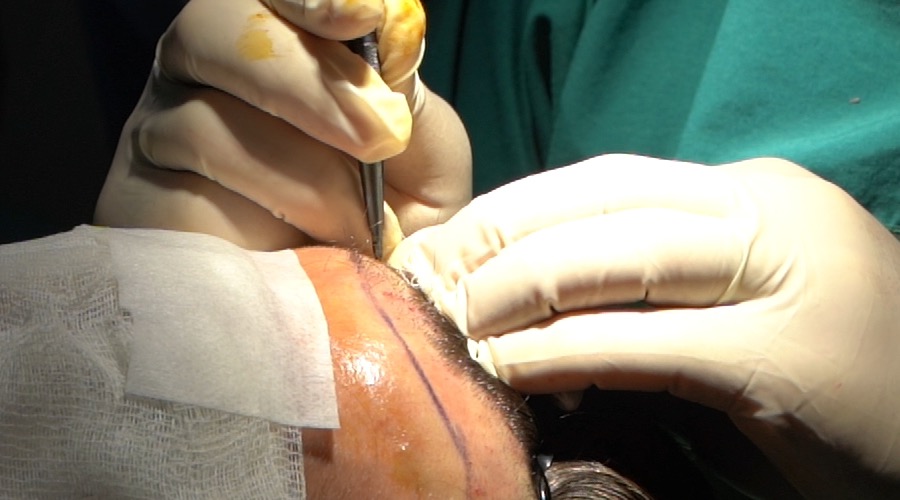
متى تُجرى زراعة الشعر الثانية
| الحالة | الحد الأدنى للانتظار | التوقيت الموصى به |
|---|---|---|
| استراتيجية جلستين مخطط لها | 12 شهراً بعد الجلسة الأولى | 12–15 شهراً — بعد تقييم النضج الكامل |
| استمرار تساقط الشعر الطبيعي | 3–5 سنوات بعد الجلسة الأولى | عندما تصبح فجوة الكثافة ملحوظة سريرياً |
| تصحيح نتيجة سابقة | 12 شهراً بعد العملية الأصلية | بعد تقييم كامل لما أنتجته العملية الأصلية |
| تعزيز التاج | 12 شهراً بعد الجلسة الأولى | بعد نضج نتيجة المنطقة الأمامية بالكامل وتأكيد الحاجة للتاج |
الحد الأدنى البالغ 12 شهراً بين الجلستين ليس اعتباطياً. يجب تقييم النضج الكامل للجلسة الأولى قبل التخطيط للجلسة الثانية — فالنتيجة في الشهر الثاني عشر تحدد بدقة ما تحتاج الجلسة الثانية لمعالجته. التخطيط للجلسة الثانية في الشهر السادس (حين تكون النتيجة ناضجة بنسبة 60% فقط) يؤدي إلى علاج زائد لمناطق سبق أن غطتها الجلسة الأولى بشكل كافٍ.
إدارة مخزون منطقة المعطي عبر جلسات متعددة
أهم اعتبار تخطيطي لاستعادة الشعر متعددة الجلسات هو إدارة مخزون منطقة المعطي. منطقة المعطي الآمنة مورد محدود: عادةً ما بين 5,000 و7,000 طعم قابل للاستخراج على مدى الحياة. كل طعم يُستخدم في الجلسة الأولى يقلل ما هو متاح للجلسة الثانية.
لهذا السبب يبدأ تخطيط Algorithmic FUE الخاص بد. أرسلان منذ الجلسة الأولى بميزانية واضحة لمنطقة المعطي مدى الحياة. يُخطَّط استخراج الجلسة الأولى بحيث يترك 30–40% من إجمالي مخزون منطقة المعطي متاحاً للجلسة الثانية — حماية للخيارات المستقبلية بدلاً من تعظيم النتيجة الأولى على حساب ما يليها.
في Hairmedico، يحصل كل مريض على خريطة تريكوسكوبية لمنطقة المعطي في استشارته الأولى. تحسب هذه الخريطة إجمالي عدد الطعوم القابلة للاستخراج مدى الحياة لذلك الفرد — ويُخطَّط استخراج الجلسة الأولى ضمن هذه الميزانية. المرضى الذين أجروا الجلسة الأولى في Hairmedico يمكنهم العودة للجلسة الثانية وهم واثقون أن مخزون منطقة المعطي لديهم أُدير بحذر وأن خياراتهم المستقبلية سليمة.
خلفية د. أرسلان المهنية الكاملة ونهجه في التخطيط متعدد الجلسات مفصّلة في من نحن — Hairmedico.

ما الذي يمكن أن تحققه الجلسة الثانية
تغطية التاج: إذا عالجت الجلسة الأولى المنطقة الأمامية، فإن الجلسة الثانية تركز عادةً على التاج — لإكمال الاستعادة الشاملة لأعلى فروة الرأس.
تعزيز الكثافة: يمكن وضع طعوم الجلسة الثانية بين نتائج الجلسة الأولى لزيادة الكثافة في المناطق المغطاة بشكل كافٍ لكن ليس بالشكل الأمثل. هذا ينتج نتيجة أكثر طبيعية وامتلاءً مما كانت الجلسة الأولى وحدها لتحققه.
إكمال زاوية الصدغ: يمكن لجلسات تكميلية صغيرة (500–800 طعم) إكمال استعادة زاوية الصدغ التي عولجت جزئياً في الجلسة الأولى.
تحسين خط الشعر: يمكن لطعوم الشعرة الواحدة الإضافية عند حافة خط الشعر أن تُنعّم الانتقال وتزيد الطبيعية عند الحافة الأمامية.
أسعار الجلسة الثانية في Hairmedico
تتبع أسعار الجلسة الثانية في Hairmedico نفس هيكل الباقة الشاملة للجلسة الأولى — جميع العناصر مشمولة من العملية إلى الفندق إلى المتابعة، دون فوترة منفصلة. يعتمد عدد الطعوم وبالتالي سعر الباقة على ما تحتاج الجلسة الثانية لتحقيقه. الجلسات التكميلية من 1,000–1,500 طعم عادةً ما تكون في الحد الأدنى لنطاق الباقة؛ بينما جلسات التاج الكاملة من 2,500–3,000 طعم تقع ضمن النطاق القياسي.
اطّلع على أسعار الباقات الحالية على hairmedico.com/ar/alasaar.
الأسئلة الشائعة
نعم. يمكن لمعظم المرضى إجراء 2–3 جلسات ضمن مخزون منطقة المعطي المتاح مدى الحياة. غالباً ما تُخطط الجلسة الثانية لتغطية التاج بعد أن عالجت الجلسة الأولى المنطقة الأمامية، أو لتعزيز الكثافة مع استمرار تساقط الشعر الطبيعي. يدير د. أرسلان مخزون منطقة المعطي بحذر للحفاظ على خيارات الجلسة الثانية.
12 شهراً كحد أدنى بين الجلستين. يتيح ذلك النضج الكامل للنتيجة الأولى، والتقييم الدقيق لما تحتاج الجلسة الثانية لتحقيقه، والالتئام الكافي لمنطقة المعطي قبل استخراج إضافي. تُجدول استشارات الجلسة الثانية في Hairmedico عادةً في الشهر 10–12 بعد الأولى.
نعم، عند الحفاظ على مخزون كافٍ من منطقة المعطي في الجلسة الأولى. معدلات نجاة الطعوم في الجلسات الثانية المخطط لها جيداً مماثلة للجلسات الأولى (90–96% في Hairmedico). العامل الأساسي هو الإدارة الحذرة لمنطقة المعطي في الجلسة الأولى.
الأسئلة الشائعة
نعم. يمكن لمعظم المرضى إجراء 2–3 جلسات بأمان ضمن مخزون منطقة المعطي المتاح مدى الحياة. يدير د. أرسلان مناطق المعطي بحذر للحفاظ على خيارات الجلسة الثانية.
من الأسباب الشائعة: استراتيجية مخطط لها من جلستين لحالات التساقط الواسع (نوروود V فما فوق)، استمرار تساقط الشعر الطبيعي حول نتيجة الجلسة الأولى، أو تعزيز الكثافة في مناطق لم تُعالَج بشكل كافٍ.
نعم، عند الحفاظ على مخزون كافٍ من منطقة المعطي في الجلسة الأولى. معدلات نجاة الطعوم مماثلة للجلسات الأولى في العيادات الجيدة بإشراف جراح.
الأسئلة الشائعة
- . Practice census — global hair restoration statistics 2022. International Society of Hair Restoration Surgery, 2022. https://www.fue-europe.com/professionals/resources/practice-census/
- Onda M et al. Follicular unit extraction: a systematic review. J Plastic & Reconstructive Surgery, 2020. https://doi.org/10.1016/j.bjps.2019.11.006
- Bernstein RM. Follicular unit transplantation: 2005. Dermatologic Clinics, 2013. https://doi.org/10.1016/j.det.2013.06.002
- Cranwell W, Sinclair R. Male androgenetic alopecia. Endotext NCBI Bookshelf, 2023. https://www.ncbi.nlm.nih.gov/books/NBK278957/
- NHS. Hair loss — overview and treatment options. National Health Service UK, 2024. https://www.nhs.uk/conditions/hair-loss/
جميع المراجع منشورات طبية محكّمة أو إرشادات صادرة عن جهات صحية رسمية. لا تتضمن أي مصادر تجارية.
د. أرسلان مصبح
- عضو كامل في FUE Europe
- معتمد من وزارة الصحة
- محاضر في جامعة Lyon 1
- أكثر من 17 عاماً · أكثر من 3,000 حالة
- مريض واحد في اليوم