
Из всех вопросов, которые пациент должен задать перед записью на пересадку волос, этот — самый важный: кто на самом деле будет выполнять операцию? Не тот, чьё имя клиника указывает на сайте. Не тот, кто фигурирует на фото «до/после». Кто будет держать инструменты, пока извлекаются ваши фолликулы, создаются каналы и имплантируются графты?
Две принципиально разные модели
Индустрия пересадки волос работает по двум принципиально разным моделям, и пациенты редко понимают, какую из них они выбирают, пока не приезжают в клинику.
Модель A: под руководством хирурга (Hairmedico)
Названный хирург лично руководит каждым случаем от начала до конца. В пакете VIP он лично выполняет и имплантацию графтов; в Silver и Gold её выполняет его обученная команда под его непосредственным наблюдением — степень личного участия хирурга определяется выбранным пакетом. Хирург лично отвечает за результат на каждом этапе.
Модель B: под руководством техников (большинство клиник с высоким потоком пациентов)
Названный хирург может присутствовать на консультации, при дизайне линии роста волос и, возможно, в первые несколько минут процедуры. Извлечение, создание каналов и имплантация выполняются обученным техническим персоналом — не лицензированными врачами. Хирург «наблюдает» в общем смысле, одновременно оперируя других пациентов в соседних кабинетах.
Обе модели легальны согласно турецкому законодательству. Модель A стабильно даёт лучшие результаты по каждому измеримому показателю качества. Чтобы понять, какую модель вы выбираете, нужно напрямую задать один конкретный вопрос.
Прежде чем разбираться, кто выполняет операцию, важно понимать, что именно включает в себя пересадка волос — это поможет осознать, почему личность оператора имеет такое значение.
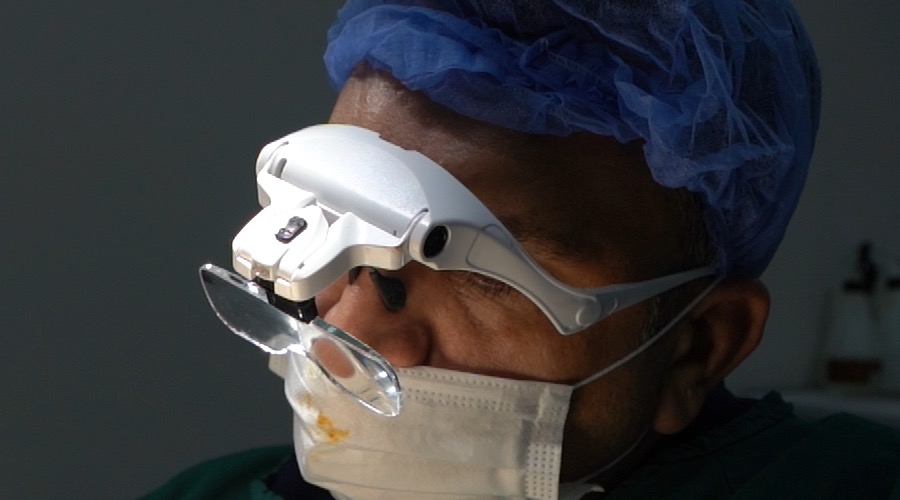
Почему это важно: клинические данные
Уровень трансекции: доля фолликулов, необратимо повреждённых во время извлечения. Опытные хирурги: 2–5%. Недостаточно обученные техники: 10–30%. В сессии на 3000 графтов разница между 3% и 20% трансекции — это 510 безвозвратно уничтоженных графтов, которые никогда не дадут волос, сколько бы их ни заявляли изначально.
Создание каналов: углы, направления и глубина реципиентных каналов определяют, будет ли результат выглядеть естественно или искусственно. Это требует эстетического суждения и анатомической подготовки, которых у техников нет. По-настоящему естественную линию роста волос невозможно получить, просто следуя механическому протоколу.
Дизайн линии роста волос: некоторые клиники делегируют дизайн линии роста «координаторам пациентов», которые не являются медицинскими специалистами. Решение о том, где будет находиться ваша линия роста и какую форму она примет, повлияет на вашу внешность на всю жизнь — это требует эстетического суждения врача и медицинской подготовки.
Управление осложнениями: во время операции могут возникнуть нестандартная анатомия, необычные паттерны кровотечения, вариации группировки фолликулов — опытный хирург распознаёт это и адаптируется в реальном времени. Техник этого сделать не может.
Как спросить — и какой ответ считать приемлемым
Вопрос, который стоит задать каждой клинике: «Доктор [имя] лично выполняет извлечение, создание каналов и имплантацию — или какие-либо из этих этапов выполняет другой персонал?»
Приемлемые ответы: «Да, доктор [имя] лично выполняет все этапы» (по возможности подтвердите это письменно).
Неприемлемые ответы: «Доктор [имя] наблюдает за процедурой» / «Операцию выполняет наша команда специалистов» / «Доктор [имя] присутствует на протяжении всей операции». Ни один из этих ответов не подтверждает личное выполнение.
Тревожные сигналы: уклончивые ответы; описания «команд» без уточнения, кто что делает; заявления, что «наши техники обучены до уровня хирурга» — никакое обучение не делает нехирурга хирургом.
Полная биография доктора Арслана Мусбеха и его личный хирургический подход подробно описаны на странице «О Hairmedico».
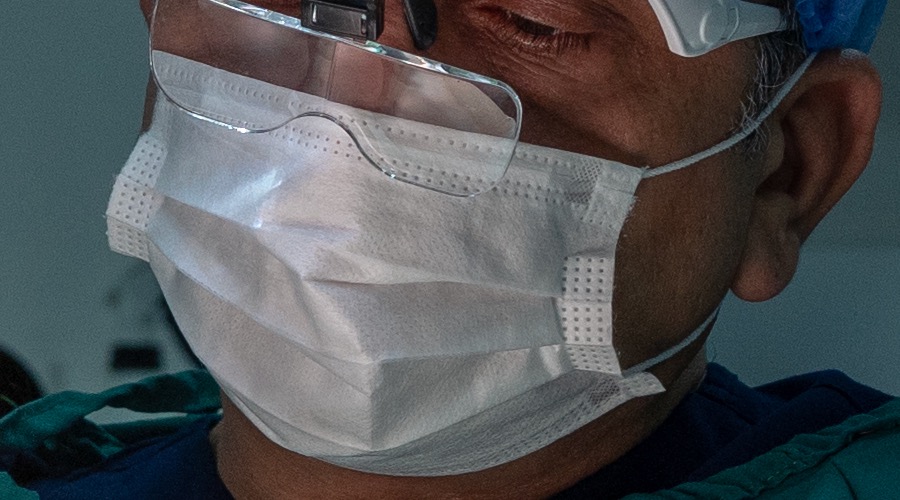
Пять контрольных вопросов перед записью
- «Хирург лично выполняет извлечение?» — именно на этапе извлечения возникает повреждение из-за трансекции. Этот этап должен выполнять хирург для максимальной приживаемости графтов.
- «Хирург лично создаёт реципиентные каналы?» — каналы определяют естественность результата. Это самый критичный с эстетической точки зрения этап.
- «Хирург лично имплантирует графты?» — именно здесь задаются угол и глубина имплантации. Для стабильных результатов этот этап должен выполнять хирург.
- «Сколько пациентов хирург принимает в день?» — ответ на этот вопрос определяет, физически ли возможно личное выполнение всех этапов.
- «Могу ли я встретиться с хирургом до записи — не с координатором?» — доступ к хирургу до бронирования (по видеосвязи или лично) подтверждает его доступность и вовлечённость.
Подробности о пакете «всё включено» Hairmedico смотрите на странице hairmedico.com/ru/tseny.
Частые вопросы
Да. ИИ используется для трихоскопического картирования плотности донорской зоны, оценки количества графтов по фотографиям и цифрового моделирования линии роста волос. В Hairmedico трихоскопия с помощью ИИ — часть процесса планирования Algorithmic FUE. Роботизированное извлечение не используется — ручная техника FUE доктора Арслана обеспечивает более низкий уровень трансекции для всех типов волос.
Инструменты ИИ-симуляции могут показать предполагаемое положение линии роста на фотографиях, но не могут предсказать фактическую приживаемость графтов (зависит от квалификации хирурга), фактическую плотность (зависит от калибра волос) или то, как результат будет взаимодействовать с будущим естественным выпадением волос. Это вспомогательные инструменты для обсуждения дизайна, а не гарантия результата.
В обозримом будущем — нет. ИИ полезен в анализе данных (картирование плотности, подсчёт графтов), но не может заменить эстетическое суждение, необходимое для дизайна естественной линии роста, техническую адаптацию к разным типам волос или долгосрочное клиническое планирование с учётом индивидуальной динамики выпадения волос.
Частые вопросы
В Hairmedico каждая операция проходит под личным руководством доктора Арслана Мусбеха. В пакете VIP он лично устанавливает и графты; в Silver и Gold их устанавливает его обученная команда.
Названный хирург лично ведёт каждый случай; его личное участие в извлечении, создании каналов и имплантации максимально в пакете VIP. Не наблюдение. Не делегирование без контроля. Имплантацию он выполняет лично в пакете VIP; в Silver и Gold её выполняет его обученная медицинская команда.
Опытные хирурги достигают трансекции 2–5% против 10–30% у техников. Они привносят эстетическое суждение в создание каналов и дизайн линии роста волос, которое технический персонал не может воспроизвести.
Частые вопросы
- . Practice census 2022. 2022. https://www.fue-europe.com/professionals/resources/practice-census/
- Onda M et al. FUE systematic review. J Plastic Surgery, 2020. https://doi.org/10.1016/j.bjps.2019.11.006
- Bernstein RM. Follicular unit transplantation. Dermatologic Clinics, 2013. https://doi.org/10.1016/j.det.2013.06.002
- Cranwell W, Sinclair R. Male androgenetic alopecia. Endotext NCBI, 2023. https://www.ncbi.nlm.nih.gov/books/NBK278957/
- NHS. Hair loss treatment overview. NHS UK, 2024. https://www.nhs.uk/conditions/hair-loss/
Все источники — рецензируемые медицинские публикации. Коммерческие источники не используются.
Dr. Arslan Musbeh
- Полноправный член FUE Europe
- Аккредитация Министерства здравоохранения
- Преподаватель Университета Лион 1
- 17+ лет · 3000+ операций