
Вторая пересадка волос — не признак того, что первая операция не удалась. Чаще всего это заранее запланированный второй этап комплексной стратегии восстановления — особенно для пациентов с обширным облысением, у которых всю реципиентную зону невозможно безопасно закрыть за одну сессию. Понимание того, когда уместна вторая пересадка, чего она может достичь и как управляют донорским запасом при нескольких сессиях, — один из важнейших вопросов планирования для любого пациента, задумывающегося о восстановлении волос.
Почему некоторым пациентам нужна вторая пересадка волос
Есть три отдельные ситуации, при которых пациенты задумываются о второй пересадке волос:
1. Заранее запланированная стратегия в две сессии
У пациентов со стадией Norwood V или VI общая площадь реципиентной зоны превышает то, что можно безопасно закрыть за одну сессию. Осознанный план в две сессии — сначала закрывается лобная зона, а через 12 месяцев макушка — даёт лучший результат в долгосрочной перспективе, чем попытка закрыть всё за одну сессию с максимальным забором графтов. В Hairmedico планирование в две сессии — стандартная рекомендация для пациентов со стадией Norwood V и выше.
2. Продолжающееся выпадение собственных волос
Пересаженные волосы сохраняются постоянно, а собственные — нет. После успешной первой операции продолжающаяся андрогенетическая алопеция может истончить собственные волосы вокруг пересаженной зоны, создавая разницу в плотности, которая требует дополнительной сессии, чтобы заполнить и сгладить переходные участки. Это самая частая причина, по которой пациенты возвращаются за второй процедурой спустя 5–10 лет после первой.
3. Коррекция неудачного результата предыдущей операции
Пациенты, получившие неудовлетворительный результат в других клиниках — низкую плотность из-за плохой приживаемости графтов, неестественную линию роста волос из-за неправильных углов имплантации или недостаточное покрытие из-за нехватки графтов, — могут обратиться за второй процедурой, чтобы улучшить или исправить исходный результат.
Если вы оцениваете, подходит ли вам вторая процедура, понимание всего спектра вариантов пересадки волос даёт важный контекст для принятия решения.
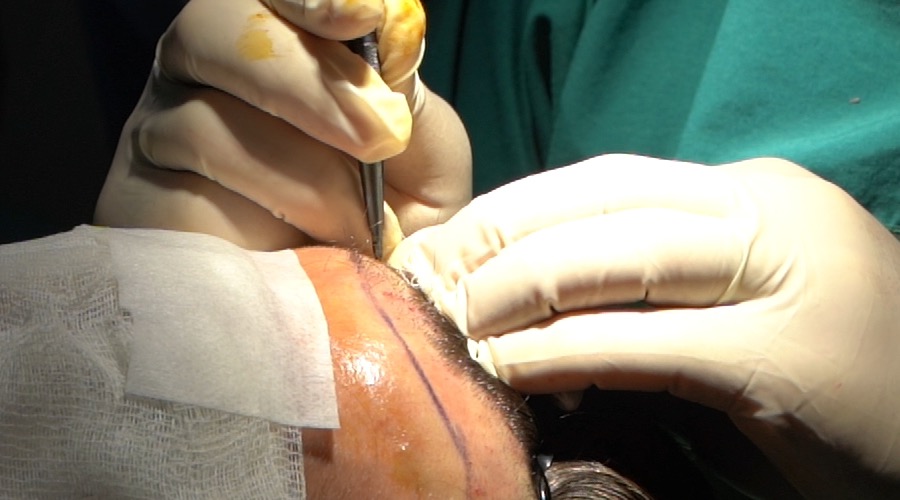
Когда делать вторую пересадку волос
| Ситуация | Минимальный интервал | Рекомендуемые сроки |
|---|---|---|
| Запланированная стратегия в две сессии | 12 месяцев после сессии 1 | 12–15 месяцев — после полной оценки созревания результата |
| Продолжающееся выпадение собственных волос | 3–5 лет после сессии 1 | Когда разница в плотности становится клинически значимой |
| Коррекция предыдущего результата | 12 месяцев после первой операции | После полной оценки результата первой операции |
| Дополнение зоны макушки | 12 месяцев после сессии 1 | После полного созревания результата в лобной зоне и подтверждения потребности в макушке |
Минимум в 12 месяцев между сессиями выбран не случайно. Прежде чем планировать вторую сессию, нужно оценить полное созревание результата первой — именно результат на 12-м месяце показывает, что именно должна закрыть вторая сессия. Если планировать вторую сессию уже на 6-м месяце (когда результат созрел лишь примерно на 60%), это приведёт к избыточному лечению зон, которые первая сессия уже адекватно покрыла.
Управление донорским запасом при нескольких сессиях
Самый важный фактор при планировании восстановления волос в несколько сессий — управление донорским запасом. Безопасная донорская зона — это ограниченный ресурс: как правило, около 5000–7000 графтов, которые можно извлечь за всю жизнь. Каждый графт, использованный в первой сессии, уменьшает то, что останется доступным для второй.
Именно поэтому планирование по методу Algorithmic FUE доктора Арслана уже на первой сессии учитывает чёткий пожизненный донорский бюджет. Забор графтов в первой сессии рассчитывается так, чтобы оставить 30–40% от общего донорского запаса доступными для второй сессии — это защищает будущие возможности, а не максимизирует первый результат в ущерб тому, что будет дальше.
В Hairmedico каждый пациент на первой консультации получает трихоскопическую карту донорской зоны. Эта карта рассчитывает общее количество графтов, которое можно извлечь у данного пациента за всю жизнь, — и забор графтов в первой сессии планируется в пределах этого бюджета. Пациенты, прошедшие первую сессию в Hairmedico, могут возвращаться на вторую, зная, что их донорский запас управлялся консервативно и их будущие возможности сохранены.
Полная профессиональная биография доктора Арслана и подход к планированию многосессионного восстановления подробно описаны на странице Hairmedico About Us.

Чего можно достичь во второй сессии
Покрытие макушки: Если первая сессия была направлена на лобную зону, вторая обычно фокусируется на макушке — завершая комплексное восстановление верхней части головы.
Повышение плотности: Графты второй сессии можно разместить между графтами первой, чтобы увеличить плотность в зонах, которые были покрыты достаточно, но не оптимально. Это даёт более естественный и густой результат, чем могла обеспечить только первая сессия.
Завершение височных зон: Небольшие дополнительные сессии (500–800 графтов) позволяют завершить восстановление височных зон, которое было частично выполнено в первой сессии.
Уточнение линии роста волос: Дополнительные одноволосковые графты по краю линии роста волос смягчают переход и делают переднюю границу более естественной.
Стоимость второй сессии в Hairmedico
Стоимость второй сессии в Hairmedico рассчитывается по той же структуре пакета «всё включено», что и для первой, — все компоненты, от операции до отеля и последующего наблюдения, включены в одну цену без отдельных счетов. Количество графтов, а значит и стоимость пакета, зависит от того, что должна достичь вторая сессия. Дополнительные сессии на 1000–1500 графтов обычно относятся к нижней границе диапазона пакетов; полные сессии на макушку объёмом 2500–3000 графтов — в пределах стандартного диапазона.
Актуальные цены на пакеты можно посмотреть на странице hairmedico.com/price.
Часто задаваемые вопросы
Да. Большинство пациентов могут пройти 2–3 сессии в пределах своего пожизненного донорского запаса. Вторую сессию часто планируют для покрытия макушки после того, как первая сессия закрыла лобную зону, либо для повышения плотности по мере продолжающегося выпадения собственных волос. Доктор Арслан консервативно управляет донорским запасом, чтобы сохранить возможность второй сессии.
Минимум 12 месяцев между сессиями. Это позволяет результату первой сессии полностью созреть, точно оценить, чего должна достичь вторая, и дать донорской зоне достаточно зажить перед дополнительным забором графтов. Консультации по второй сессии в Hairmedico обычно назначают на 10–12-й месяц после первой.
Да, если во время первой сессии был сохранён достаточный донорский запас. Приживаемость графтов при хорошо спланированной второй сессии сопоставима с первой (90–96% в Hairmedico). Ключевой фактор — консервативное управление донорской зоной в первой сессии.
Часто задаваемые вопросы
Да. Большинство пациентов могут безопасно пройти 2–3 сессии в пределах своего пожизненного донорского запаса. Доктор Арслан консервативно управляет донорскими зонами, чтобы сохранить возможность второй сессии.
Частые причины: заранее запланированная стратегия в две сессии при обширном облысении (Norwood V и выше), продолжающееся выпадение собственных волос вокруг результата первой операции или повышение плотности в зонах, недостаточно охваченных ранее.
Да, если во время первой сессии был сохранён достаточный донорский запас. Приживаемость графтов сопоставима с первой сессией в клиниках, где операции выполняет квалифицированный хирург.
Часто задаваемые вопросы
- . Practice census — global hair restoration statistics 2022. International Society of Hair Restoration Surgery, 2022. https://www.fue-europe.com/professionals/resources/practice-census/
- Onda M et al. Follicular unit extraction: a systematic review. J Plastic & Reconstructive Surgery, 2020. https://doi.org/10.1016/j.bjps.2019.11.006
- Bernstein RM. Follicular unit transplantation: 2005. Dermatologic Clinics, 2013. https://doi.org/10.1016/j.det.2013.06.002
- Cranwell W, Sinclair R. Male androgenetic alopecia. Endotext NCBI Bookshelf, 2023. https://www.ncbi.nlm.nih.gov/books/NBK278957/
- NHS. Hair loss — overview and treatment options. National Health Service UK, 2024. https://www.nhs.uk/conditions/hair-loss/
Все источники — рецензируемые медицинские публикации или официальные рекомендации органов здравоохранения. Коммерческие источники не использовались.
Dr. Arslan Musbeh
- Действительный член FUE Europe
- Аккредитован Министерством здравоохранения
- Преподаватель университета Lyon 1
- 17+ лет опыта · 3000+ случаев
- Один пациент в день