
Каким женщинам подходит пересадка волос?
Пригодность женщин для пересадки волос оценивается иначе, чем у мужчин, по одной ключевой причине: у женщин выпадение волос носит более диффузный характер. У мужчин облысение по типу выпадения обычно формирует чётко очерченные зоны без волос при плотной донорской зоне. У женщин донорская зона может быть менее плотной, если женская андрогенетическая алопеция носит диффузный характер.
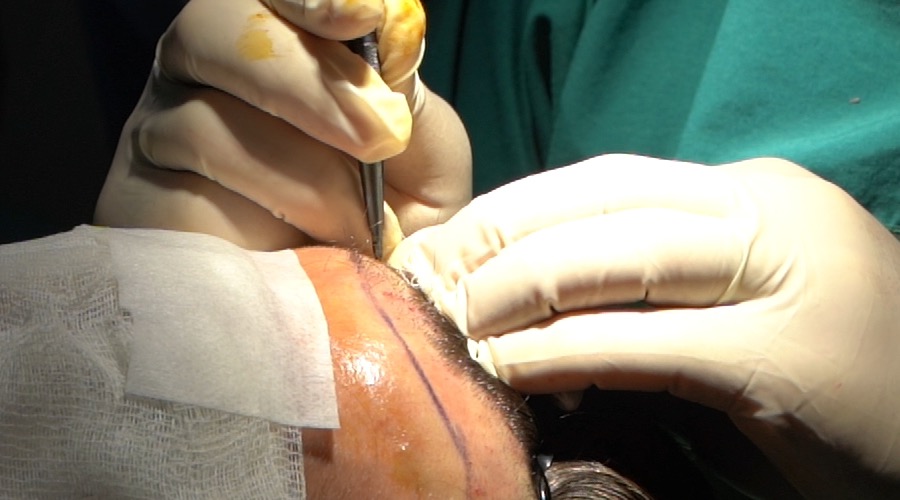
Хорошие кандидатки среди женщин обладают следующим: стабильное выпадение волос на протяжении 12 месяцев, сохранённая плотность донорской зоны на затылке и по бокам головы, чётко очерченная зона выпадения (а не диффузное выпадение по всей коже головы), а также реалистичные ожидания относительно достижимой плотности.
Женщины не являются хорошими кандидатками, если: выпадение носит диффузный характер по всей коже головы, включая донорскую зону, если первопричиной является активная аутоиммунная алопеция, либо если выпадение волос активно и прогрессирует. В этих случаях операции должно предшествовать медикаментозное лечение.
Почему DHI — предпочтительная техника для большинства женщин
У большинства женщин, обращающихся за пересадкой волос, в реципиентной зоне сохраняются собственные волосы — будь то диффузное истончение или частичная потеря волос по линии роста. DHI (прямая имплантация волос) специально разработана для такого сценария: имплантер Чой (Choi) размещает графты без предварительного создания каналов, что исключает риск повреждения соседних существующих фолликулов.
DHI также позволяет в большинстве женских случаев проводить процедуру без бритья — существующие волосы аккуратно отводятся в сторону, а не состригаются. Это позволяет женщинам сохранять причёску на протяжении всего периода восстановления, пока пересаженные волосы постепенно отрастают и незаметно сливаются с существующими.
DHI без бритья в Hairmedico — полная конфиденциальность
Для пациенток, которые не готовы мириться с какими-либо видимыми следами операции в период восстановления, DHI без бритья обеспечивает полную конфиденциальность. Процедура не оставляет состриженных волос, видимых выбритых участков и каких-либо явных признаков того, что операция вообще проводилась. Пересаженные волосы выпадают на 2–5-й неделе (шоковое выпадение) и начинают отрастать заново с 3–4-го месяца — при этом окружающие волосы всё это время сохраняют свою естественную длину.

Часто задаваемые вопросы
Да. Женщины — отличные кандидатки для пересадки волос, если их выпадение волос соответствует критериям пригодности: стабильная картина выпадения, достаточная плотность донорской зоны и подходящая первопричина (генетическая, тракционная или поствоспалительная). Для женщин часто предпочтительна техника DHI, поскольку она работает между существующими волосами без необходимости полного бритья реципиентной зоны.
Основные поддающиеся лечению причины: женская андрогенетическая алопеция (истончение по типу Людвига), тракционная алопеция из-за тугих причёсок и поствоспалительное выпадение волос (после неактивной рубцовой алопеции). Диффузное телогеновое выпадение и активная аутоиммунная алопеция хирургически не лечатся.
В большинстве женских случаев техника DHI может выполняться без бритья реципиентной зоны — графты размещаются между существующими волосами. В период восстановления шоковое выпадение менее заметно, поскольку окружающие волосы остаются нестрижеными. Результат естественно сливается с существующими волосами в течение 10–12 месяцев.
- Olsen EA et al. Female pattern hair loss: a practical guide. JAAD. 2004. https://doi.org/10.1016/j.jaad.2004.01.009
- Vujovic S, Ivkovic-Jovanovic M. Alopecia in women — aetiology and treatment. Srpski arhiv. 2011. https://pubmed.ncbi.nlm.nih.gov/22217982/
- Onda M et al. Follicular unit extraction: a systematic review of the literature. J Plastic, Reconstructive & Aesthetic Surgery. 2020. https://doi.org/10.1016/j.bjps.2019.11.006
- Bernstein RM, Rassman WR. Follicular unit transplantation: 2005. Dermatologic Clinics. 2005. https://doi.org/10.1016/j.det.2005.01.007
- Avram MR, Rogers NE. Contemporary hair transplantation. Dermatologic Surgery. 2009. https://doi.org/10.1111/j.1524-4725.2009.01338.x
Все источники — рецензируемая медицинская литература или официальные публикации органов здравоохранения. Коммерческие источники не используются.
Dr. Arslan Musbeh
- ✓ Полноправный член FUE Europe
- ✓ Аккредитация Министерства здравоохранения
- ✓ 17+ лет опыта · более 3000 случаев
- ✓ Один пациент в день
- ✓ Создатель Algorithmic FUE™