
لماذا يكون الشعر المزروع دائماً — مبدأ السيادة المانحة
تعتمد ديمومة نتائج زراعة الشعر على مبدأ بيولوجي يُعرف بـ«السيادة المانحة». فبصيلات الشعر في المنطقة المانحة — مؤخرة الرأس وجانبيه — مبرمجة وراثياً لتكون مقاومة لهرمون ثنائي هيدروتستوستيرون (DHT)، الهرمون الأندروجيني المسؤول عن الصلع الوراثي. وعندما تُستخرج هذه البصيلات وتُزرع في المنطقة المتلقية الصلعاء أو الخفيفة، فإنها تحمل برمجتها الوراثية معها. فتنمو في موقعها الجديد بنفس مقاومة DHT التي كانت تتمتع بها في المنطقة المانحة.

وصف الدكتور نورمان أورنترايخ هذا المبدأ لأول مرة عام 1959، ولا يزال يمثل الأساس البيولوجي لجميع عمليات FUE وFUT التي تُجرى اليوم. وتؤكده أكثر من 65 عاماً من الأدلة السريرية: البصيلات المانحة الموضوعة بشكل صحيح تُنتج نمواً دائماً.
ماذا تتوقع بعد 10 سنوات — وما بعدها
| الفترة الزمنية | الشعر المزروع | الشعر الأصلي المحيط |
|---|---|---|
| السنة الأولى | نضج كامل — تظهر النتيجة النهائية | يستمر التساقط إن لم يُعالَج |
| السنوات 2–5 | مستقر، ينمو بشكل طبيعي | يستمر الترقق التدريجي دون فيناسترايد |
| السنوات 5–10 | مستقر، وقد يبدأ الشيب الطبيعي | قد يخلق التراجع الإضافي تبايناً مع منطقة الزراعة |
| السنة 10 وما بعدها | ما يزال ينمو — نفس الشعر، نفس الملمس | تساقط كبير ممكن لدى المرضى غير المعالَجين — قد يحتاجون جلسة ثانية |
أهم اعتبار بعد مرور 10 سنوات ليس الشعر المزروع — بل الشعر الأصلي. إذ يستمر DHT في تصغير البصيلات الأصلية بعد الجراحة. ويحافظ المرضى الذين يستخدمون فيناسترايد على شعرهم الأصلي بشكل أفضل بكثير ممن لا يستخدمونه. لهذا فإن المتابعة الدوائية بعد العملية ليست اختيارية للمرضى المعرضين لخطر تساقط الشعر الوراثي المستمر.
التخطيط طويل الأمد — لماذا يهم تصميم خط الشعر بعد 10 سنوات
خط الشعر المصمَّم بحذر في سن الثلاثين — مع مراعاة شكل الوجه في سن 45 و55 — سيبدو مناسباً مع استمرار تراجع الشعر الأصلي حوله. أما خط الشعر المنخفض جداً المصمَّم لأقصى مظهر شبابي في سن الثلاثين، فقد يبدو غير متناسق في سن الخمسين محاطاً بتراجع مستمر.
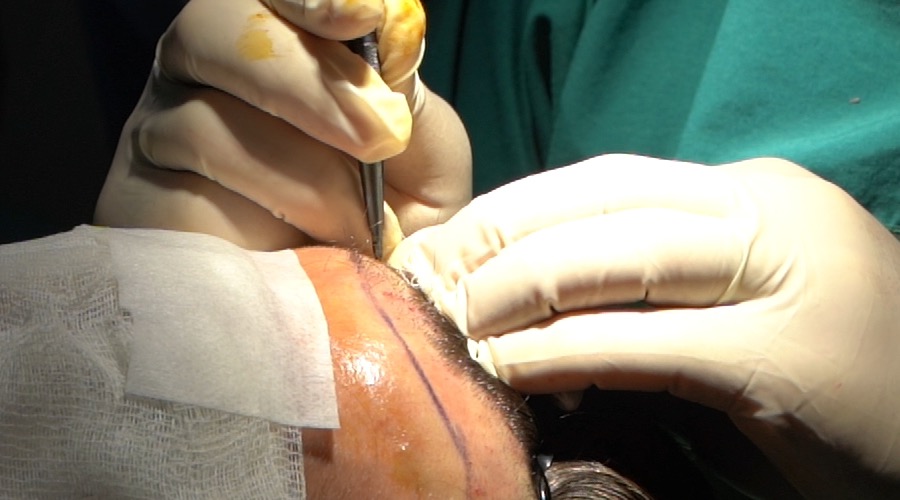
يُعد هذا التخطيط الجمالي طويل الأمد جزءاً أساسياً من كل استشارة في Hairmedico. يصمم د. أرسلان خطوط الشعر بحيث تبدو طبيعية عبر المسار المتوقع لتساقط شعر المريض — لا في لحظة الجراحة فقط.
الأسئلة الشائعة
الشعر المزروع دائم. تُؤخذ البصيلات من المنطقة المانحة — وهي منطقة مقاومة وراثياً لهرمون DHT، الهرمون المسؤول عن الصلع الوراثي. وتحتفظ هذه البصيلات بهذه المقاومة بعد الزراعة وتستمر في النمو مدى الحياة.
لا يتساقط الشعر المزروع بسبب الثعلبة الأندروجينية (الصلع الوراثي)، لأن البصيلات محصّنة ضد DHT. لكن الشعر المزروع يتقدم في العمر بشكل طبيعي — فقد يشيب ويصبح أخف كثافة قليلاً مع التقدم في السن، تماماً كأي شعر آخر. وهذا شيخوخة بيولوجية طبيعية، وليس عودة لتساقط الشعر.
يستمر الشعر الأصلي بالتأثر بـ DHT والتساقط الوراثي بعد الجراحة. لهذا يُعد العلاج الدوائي بعد العملية (فيناسترايد) مهماً — لحماية الشعر الأصلي المحيط بمنطقة الزراعة والحفاظ على الكثافة والتناسق العام للنتيجة.
- Cranwell W, Sinclair R. الثعلبة الأندروجينية عند الذكور. Endotext — NCBI Bookshelf. 2023. https://www.ncbi.nlm.nih.gov/books/NBK278957/
- Norwood OT. الصلع الوراثي عند الذكور: التصنيف ومعدل الحدوث. Southern Medical Journal. 1975. https://doi.org/10.1097/00007611-197511000-00009
- Bernstein RM. زراعة الوحدة البصيلية. Dermatologic Clinics. 2013. https://doi.org/10.1016/j.det.2013.06.002
- Limmer R. التطعيم المجهري المجسم بالاستخراج الإهليلجي من المنطقة المانحة. Dermatologic Surgery. 1994. https://doi.org/10.1111/j.1524-4725.1994.tb01661.x
- Onda M et al. استخراج الوحدة البصيلية: مراجعة منهجية للأدبيات. J Plastic, Reconstructive & Aesthetic Surgery. 2020. https://doi.org/10.1016/j.bjps.2019.11.006
جميع المراجع مستمدة من أدبيات طبية محكّمة أو منشورات رسمية لهيئات صحية. لا تتضمن أي مصادر تجارية.
Dr. Arslan Musbeh
- ✓ عضو FUE Europe كامل
- ✓ معتمد من وزارة الصحة
- ✓ أكثر من 17 عاماً · أكثر من 3,000 حالة
- ✓ مريض واحد في اليوم
- ✓ مبتكر Algorithmic FUE™