
ما الذي يجعل عملية زراعة الشعر بحاجة إلى إصلاح؟
ليس كل مريض غير راضٍ لديه زراعة فاشلة فعلاً — فبعضهم لديه توقعات غير واقعية عن عملية سليمة تقنياً. لكن هناك حالات سريرية محددة تستدعي فعلاً جراحة تصحيحية:
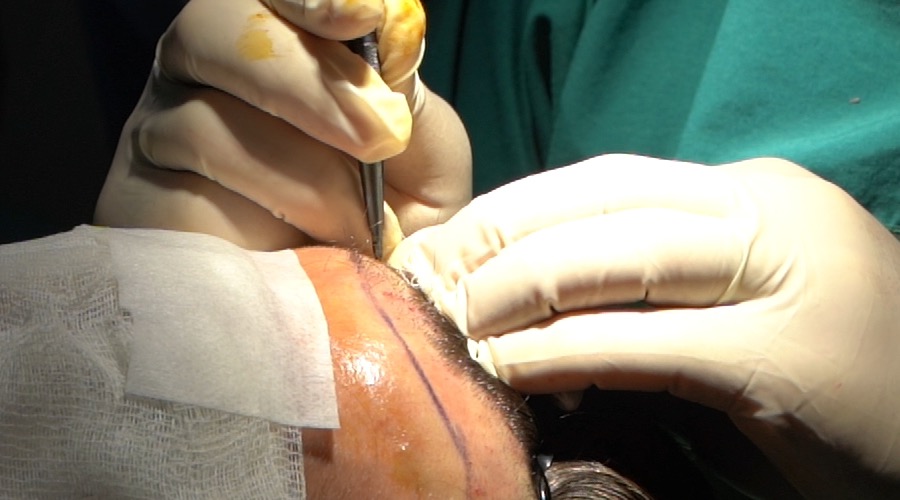
- خط شعر غير طبيعي: منخفض جداً، مستقيم جداً، بزاوية خاطئة أو بتجمعات ظاهرة أشبه بـ"القوابس"
- اتجاه خاطئ: طعوم مزروعة بزوايا غير صحيحة تنمو للخارج بدلاً من الأمام
- توزيع كثافة رديء: بقع كثيفة مجاورة لمناطق رقيقة، ما يخلق مظهراً متقطعاً
- ندوب قوابس ظاهرة: ناتجة عن تقنيات FUT القديمة أو FUE بثقب كبير
- منطقة مانحة مستنزفة بشكل مفرط: ترقق أو مظهر متقطع ظاهر في مؤخرة فروة الرأس
- تأثير الجزيرة: خط شعر مزروع محاط باستمرار تراجع الشعر الطبيعي، ما يخلق بقعاً معزولة
التقييم — ما الذي يمكن تصحيحه فعلياً
قبل التخطيط لأي جراحة تصحيحية، يُعد التقييم الشامل أمراً ضرورياً. ويشمل ذلك:
تقييم المنطقة المانحة: كم عدد الطعوم المتبقية والمتاحة؟ إذا كانت العملية الأصلية قد استنزفت المنطقة المانحة بشكل مفرط، فقد تكون خيارات التصحيح محدودة. يساعد فحص التريكوسكوبي في رسم خريطة الكثافة المتبقية.
تقييم المنطقة المستقبِلة: ما الخطأ بالتحديد؟ موضع خط الشعر؟ زاوية الطعوم؟ توزيع الكثافة؟ كل مشكلة تتطلب أسلوباً تصحيحياً مختلفاً.
تقييم النسيج الندبي: الجراحة السابقة تُنتج نسيجاً ندبياً يؤثر على تدفق الدم ونسبة بقاء الطعوم في المناطق المُعاد إجراء الجراحة فيها. النسيج الندبي الكثيف يقلل من معدلات البقاء المتوقعة.
في Hairmedico، نستقبل مرضى الاستشارات التصحيحية بغض النظر عن مكان إجراء عمليتهم الأصلية. يُقدَّم تقييم صادق لما يمكن ولا يمكن تصحيحه قبل أي التزام بإجراء الجراحة.
تقنيات التصحيح
إعادة تشكيل خط الشعر
إذا كان خط الشعر الأصلي منخفضاً جداً أو كثيفاً جداً، فتشمل الخيارات: إضافة طعوم خلف خط الشعر الحالي لخلق انتقال تدريجي أكثر طبيعية؛ إزالة الطعوم الموضوعة بشكل خاطئ (باستخدام ثقب FUE صغير لاستخلاصها والتخلص منها أو إعادة وضعها)؛ أو استخدام الليزر أو إزالة الشعر الكهربائية للتخلص من البصيلات الفردية غير الموضوعة بشكل صحيح.
إعادة توزيع الكثافة
يمكن تخفيف المناطق الكثيفة جراحياً؛ ويمكن للمناطق الرقيقة أن تتلقى طعوماً إضافية. في كلتا الحالتين، تكون النتائج محدودة بمدى توفر المنطقة المانحة ومعدلات بقاء الطعوم القابلة للتحقيق في فروة رأس سبق أن أُجريت عليها جراحة.
إصلاح المنطقة المانحة
يمكن أحياناً تحسين الاستنزاف الظاهر في مؤخرة فروة الرأس عبر زراعة شعر الجسم (اللحية غالباً) في أكثر المناطق استنزافاً بشكل ظاهر. هذا حل محدود — إذ قد لا يتطابق قُطر شعر الجسم مع شعر فروة الرأس — لكنه يمكن أن يقلل من ظهور ندوب المنطقة المانحة.
ما لا يمكن لجراحة الإصلاح تحقيقه
جراحة التصحيح أكثر محدودية من الجراحة الأولية من عدة نواحٍ مهمة. النسيج الندبي من العملية الأصلية يقلل من تدفق الدم وبقاء الطعوم. المنطقة المانحة مستنزفة جزئياً بالفعل. فروة الرأس خضعت بالفعل لصدمة تؤثر على قابلية التنبؤ بالشفاء.
إدارة التوقعات هي الجزء الأكثر أهمية في أي استشارة إصلاح. بعض الحالات — الاستنزاف الشديد، أخطاء وضع خط الشعر الشديدة — لديها خيارات تصحيحية محدودة بغض النظر عن مهارة الجراح. الصدق في هذا الأمر أهم من الوعد بنتائج لا يمكن تحقيقها.
الأسئلة الشائعة
نعم. يُستخدم الذكاء الاصطناعي في رسم خريطة كثافة المنطقة المانحة بالتريكوسكوبي، وتقدير عدد الطعوم من الصور، ومحاكاة تصميم خط الشعر رقمياً. في Hairmedico، تُعد التريكوسكوبي بمساعدة الذكاء الاصطناعي جزءاً من عملية التخطيط لـ Algorithmic FUE. لا يُستخدم الاستخلاص الآلي (الروبوتي) — فتقنية FUE اليدوية لدى د. أرسلان تحقق معدلات قطع أقل عبر جميع أنواع الشعر.
يمكن لأدوات المحاكاة بالذكاء الاصطناعي إظهار مواضع خط الشعر المقترحة على الصور، لكنها لا تستطيع التنبؤ بنسبة بقاء الطعوم الفعلية (تعتمد على مهارة الجراح)، ولا بالكثافة الفعلية (تعتمد على قُطر الشعر)، ولا بكيفية تفاعل النتيجة مع تساقط الشعر الطبيعي المستقبلي. فهي أدوات مساعدة لتوضيح التصميم، وليست ضمانات للنتيجة.
ليس في المستقبل المنظور. يضيف الذكاء الاصطناعي قيمة في تحليل البيانات (رسم خريطة الكثافة، حساب الطعوم) لكنه لا يمكن أن يحل محل الحكم الجمالي اللازم لتصميم خط شعر طبيعي، ولا التكيف التقني المطلوب لأنواع الشعر المتنوعة، ولا التخطيط السريري طويل الأمد الذي يراعي مسارات تساقط الشعر الفردية.
الأسئلة الشائعة
باقات Hairmedico الشاملة: ابتداءً من €2,600 — يُحدَّد حسب عدد الطعوم والتقنية والباقة.
نعم. البصيلات المزروعة مقاومة لهرمون DHT وتنمو بشكل دائم مدى حياة المريض.
العمل المكتبي: 5–7 أيام. تسقط القشور بحلول اليوم 10–14. يبدأ النمو الجديد من الشهر 3–5. النتيجة النهائية بعد 12–14 شهراً.
في باقة VIP يقوم د. أرسلان مصبح شخصياً بكل خطوة — الاستخراج وفتح القنوات والزراعة. في باقة Gold يجري الاستشارة وفتح القنوات بنفسه، ويتولى فريق العيادة الطبي الخطوات الأخرى. في باقة Silver تُجرى العملية بالكامل من أطباء العيادة وفريقها الطبي. مريض واحد في اليوم في جميع الباقات.
نعم، في عيادة معتمدة بإشراف جراح. تحقق من عضوية FUE Europe، وتسجيل وزارة الصحة، وتأكد أن الجراح يُجري العملية بنفسه.
- Bernstein RM. Repair of hair transplant complications. Dermatologic Clinics. 2013. https://doi.org/10.1016/j.det.2013.06.002
- Limmer R. Micrografting for correction of faulty hair transplants. Dermatologic Surgery. 1994. https://doi.org/10.1111/j.1524-4725.1994.tb01661.x
- Mysore V. Hair transplant surgery: indications, techniques and complications. Indian J Dermatol. 2016. https://doi.org/10.4103/0019-5154.177773
- Onda M et al. Follicular unit extraction: A systematic review. J Plastic, Reconstructive & Aesthetic Surgery. 2020. https://doi.org/10.1016/j.bjps.2019.11.006
- Bernstein RM, Rassman WR. Follicular unit transplantation: 2005. Dermatologic Clinics. 2005. https://doi.org/10.1016/j.det.2005.01.007
جميع المراجع مستمدة من أدبيات طبية محكّمة أو منشورات رسمية لجهات صحية. لا تتضمن أي مصادر تجارية.
Dr. Arslan Musbeh
- ✓ عضو FUE Europe — عضوية كاملة
- ✓ معتمد من وزارة الصحة
- ✓ أكثر من 17 عاماً · أكثر من 3,000 حالة
- ✓ مريض واحد في اليوم
- ✓ باقات شاملة