
ما هي النساء المرشحات المناسبات؟
تُقيَّم أهلية النساء لزراعة الشعر بطريقة مختلفة عن الرجال لسبب رئيسي واحد: نمط تساقط الشعر لدى النساء أكثر انتشاراً. فعند الرجال، يخلق التساقط النمطي عادة مناطق صلع محددة بوضوح مع منطقة مانحة كثيفة. أما عند النساء، فقد تكون منطقة المانحة أقل كثافة إذا كانت الثعلبة الأندروجينية الأنثوية منتشرة.
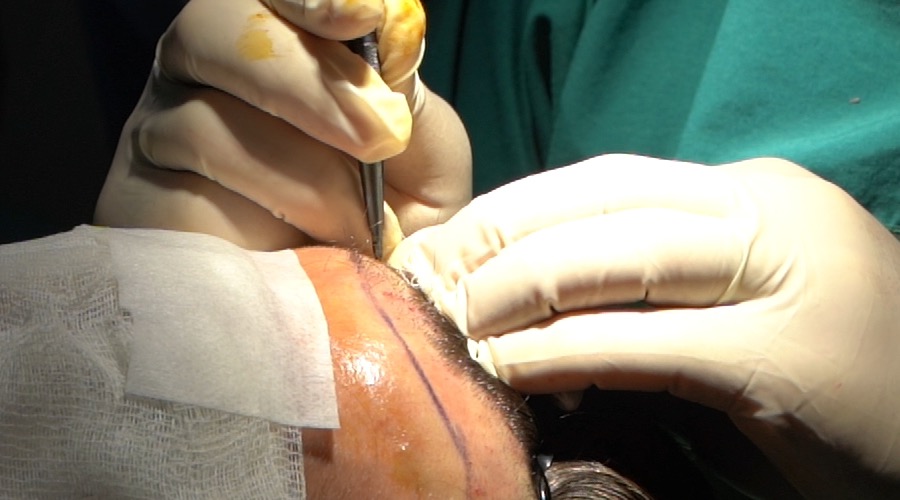
تتميز المرشحات الجيدات بما يلي: استقرار تساقط الشعر لمدة 12 شهراً، وكثافة محفوظة في منطقة المانح بالخلف والجانبين، ومنطقة تساقط محددة بوضوح (وليس تساقطاً منتشراً في كامل فروة الرأس)، وتوقعات واقعية بشأن الكثافة القابلة للتحقيق.
لا تُعد المرأة مرشحة جيدة إذا كان التساقط منتشراً في كامل فروة الرأس بما في ذلك منطقة المانح، أو كان السبب الكامن ثعلبة مناعية ذاتية نشطة، أو كان تساقط الشعر نشطاً ومتسارعاً. في هذه الحالات، يجب أن يسبق العلاج الطبي أي تدخل جراحي.
لماذا تُعد تقنية DHI الخيار المفضل لمعظم النساء
تمتلك معظم النساء الراغبات في زراعة الشعر شعراً موجوداً في جميع أنحاء منطقة الاستقبال — سواء كان ترققاً منتشراً أو فقداناً جزئياً في خط الشعر. صُممت تقنية DHI (الزراعة المباشرة للشعر) خصيصاً لهذا السيناريو: يضع قلم Choi الطعوم دون إنشاء قنوات مسبقة، ما يلغي خطر إتلاف البصيلات الموجودة المجاورة.
كما تتيح تقنية DHI إجراء عمليات دون حلاقة في معظم الحالات النسائية — إذ يُزاح الشعر الموجود بلطف بدلاً من قصه. وهذا يسمح للمرأة بالحفاظ على تسريحة شعرها طوال فترة التعافي، مع نمو الشعر المزروع تدريجياً واندماجه بشكل غير ملحوظ مع الشعر الموجود.
زراعة DHI دون حلاقة في Hairmedico — سرية تامة
بالنسبة للمريضات اللواتي لا يتحملن أي علامة ظاهرة للجراحة أثناء التعافي، توفر تقنية DHI دون حلاقة سرية تامة. لا يترك الإجراء شعراً مقصوصاً، ولا مناطق حلاقة ظاهرة، ولا أي علامة واضحة على إجراء عملية. يتساقط الشعر المزروع في الأسابيع 2–5 (تساقط الصدمة) وينمو من جديد بدءاً من الشهر 3–4 — بينما يبقى الشعر المحيط الموجود بطوله الطبيعي.

الأسئلة الشائعة
نعم. تُعد المرأة مرشحة ممتازة لزراعة الشعر عندما يستوفي تساقط شعرها معايير الأهلية: نمط مستقر، وكثافة كافية في منطقة المانح، وسبب كامن مناسب (وراثي، أو جذبي، أو تالٍ لالتهاب). غالباً ما تُفضَّل تقنية DHI للنساء لأنها تعمل بين الشعر الموجود دون الحاجة لحلاقة كاملة لمنطقة الاستقبال.
الأسباب الرئيسية القابلة للعلاج هي: الثعلبة الأندروجينية الأنثوية (ترقق نمط لودفيغ)، والثعلبة الجذبية الناتجة عن تسريحات الشعر المشدودة، وتساقط الشعر التالي للالتهاب (بعد ثعلبة تندبية غير نشطة). أما الثعلبة السيلانية المنتشرة والثعلبة المناعية الذاتية النشطة فلا تُعالَجان جراحياً.
يمكن إجراء تقنية DHI دون حلاقة منطقة الاستقبال في معظم الحالات النسائية — إذ تُوضع الطعوم بين الشعر الموجود. أثناء التعافي، يكون تساقط الصدمة أقل وضوحاً لأن الشعر المحيط الموجود غير مقصوص. تندمج النتيجة بشكل طبيعي مع الشعر الموجود على مدى 10–12 شهراً.
- Olsen EA et al. Female pattern hair loss: a practical guide. JAAD. 2004. https://doi.org/10.1016/j.jaad.2004.01.009
- Vujovic S, Ivkovic-Jovanovic M. Alopecia in women — aetiology and treatment. Srpski arhiv. 2011. https://pubmed.ncbi.nlm.nih.gov/22217982/
- Onda M et al. Follicular unit extraction: a systematic review of the literature. J Plastic, Reconstructive & Aesthetic Surgery. 2020. https://doi.org/10.1016/j.bjps.2019.11.006
- Bernstein RM, Rassman WR. Follicular unit transplantation: 2005. Dermatologic Clinics. 2005. https://doi.org/10.1016/j.det.2005.01.007
- Avram MR, Rogers NE. Contemporary hair transplantation. Dermatologic Surgery. 2009. https://doi.org/10.1111/j.1524-4725.2009.01338.x
جميع المراجع مستمدة من أدبيات طبية محكّمة أو منشورات رسمية من جهات صحية. لا تتضمن أي مصادر تجارية.
د. أرسلان مصبح
- ✓ عضو كامل في FUE Europe
- ✓ معتمد من وزارة الصحة
- ✓ أكثر من 17 عاماً · أكثر من 3,000 حالة
- ✓ مريض واحد في اليوم
- ✓ مبتكر Algorithmic FUE™