اليوم 0 — يوم الجراحة
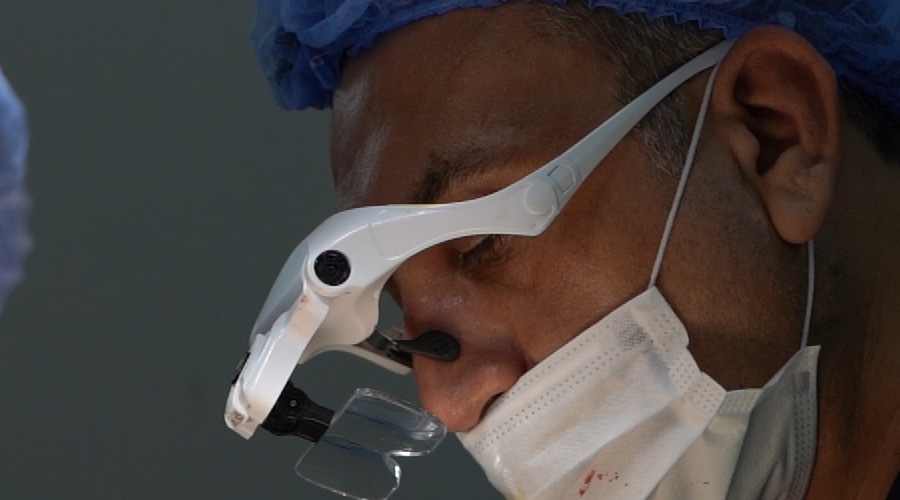
تُجرى العملية تحت تخدير موضعي. لا تشعر بأي ألم أثناء الاستخراج أو الزراعة. بعد العملية، تتشكل قشور صغيرة فوق كل طعم مزروع. تُوضع ضمادة على منطقة المانح. يقدّم د. أرسلان مجموعة عناية مكتوبة لما بعد العملية ويحدد موعد أول غسلة في اليوم الثاني. نم على ظهرك مع رفع رأسك بزاوية 30–45 درجة باستخدام الوسادة المخصصة — فهذا يقلل من تورم الجبهة.

اليوم 1 — اليوم التالي
ألم خفيف وشدّ بسيط — يُدار بالباراسيتامول الموصوف. تجنّب لمس منطقة الاستقبال. قد يبدأ التورم حول الجبهة. هذا أمر طبيعي ويبلغ ذروته في اليومين 2–3. استمر في النوم برأس مرفوع. تناول المضادات الحيوية ومضادات الالتهاب الموصوفة حسب التوجيهات. تناول الطعام بشكل طبيعي واشرب كمية وافرة من الماء.
اليومان 2–3 — أول غسلة
عد إلى العيادة في اليوم الثاني لأول غسلة تحت إشراف طبي. يستخدم فريق د. أرسلان رذاذاً ملحياً لطيفاً وشامبو مخصصاً. تبدأ القشور بالتليّن. يبلغ التورم ذروته — قد يُصاب بعض المرضى بكدمات خفيفة حول العينين. يزول هذا تماماً بحلول اليوم 4–5 دون تدخل. استمر في وضعية النوم المرتفعة.
الأيام 4–7 — التعافي المبكر
يخف التورم. تصبح القشور أقل وضوحاً مع استمرار الغسل. تلتئم منطقة المانح بشكل ملحوظ يوماً بعد يوم — تتلاشى نقاط الاستخراج الصغيرة. يعود معظم المرضى إلى العمل المكتبي بحلول اليوم 5 ويمكنهم الظهور اجتماعياً بارتداء قبعة فضفاضة. تجنّب الساونا والسباحة والتمارين الشاقة والتعرّض المباشر لأشعة الشمس على منطقة الاستقبال.
الأيام 8–14 — تساقط القشور
تتساقط القشور بشكل طبيعي مع استمرار بروتوكول الغسل اليومي. لا تنزعها أو تحكّها. بحلول اليوم 12–14 تبدو منطقة الاستقبال نظيفة إلى حد كبير. تكون نقاط استخراج منطقة المانح شبه غير مرئية من مسافة اجتماعية طبيعية. الحكة الخفيفة أمر طبيعي — انقر برفق، ولا تحكّ.
الأسابيع 2–4 — مرحلة تساقط الصدمة
بين الأسبوعين 2 و4، تتساقط الشعيرات المزروعة. يُسمى هذا تساقط الصدمة — تدخل البصيلة في مرحلة راحة (تيلوجين) قبل بدء دورة نمو جديدة. هذا ليس فشلاً. تبقى البصيلة حيّة تحت الجلد. قد يترقّق أيضاً بعض الشعر الأصلي المحيط بالمنطقة المزروعة مؤقتاً. يتعافى كلاهما تماماً في الغالبية العظمى من الحالات.
الأشهر 1–3 — مرحلة الانتظار
يُعد الشهر الثالث عادةً نقطة القلق الأقصى لدى المريض. تغيّر بصري ضئيل، وتساقط للطعوم، ومظهر يبدو دون تغيير عمّا كان عليه قبل الجراحة. هذا أمر طبيعي. البصيلات في مرحلة راحتها. الصبر مطلوب. استمر في استخدام المينوكسيديل والفيناسترايد إن كانا موصوفين.
الأشهر 4–12 — مرحلة النمو
| الشهر | ما يمكن توقعه |
|---|---|
| 4 | يبدأ ظهور شعر ناعم، وأحياناً مجعد، من البصيلات المزروعة |
| 5–6 | تحسّن ملحوظ في الكثافة أسبوعاً بعد أسبوع |
| 7–8 | يشعر معظم المرضى بالراحة في الخارج دون قبعة |
| 9–10 | 80–90% من النتيجة النهائية مرئية. ملمس الشعر يتحسّن. |
| 11–12 | النتائج تنضج. يندمج الشعر الأصلي والمزروع بشكل طبيعي. |
| 12–14 | النتيجة النهائية. ملمس وكثافة واتجاه بالغ كامل. |
أرسل 3 صور لتقييم شخصي من د. أرسلان مصبح. رد خلال 24 ساعة مع تقدير لعدد الطعوم.