
تنتشر أدوات المحاكاة بالذكاء الاصطناعي التي تعد بأن تُريك "بالضبط كيف ستبدو بعد زراعة شعرك" عبر وسائل التواصل الاجتماعي ومواقع العيادات. مظهرها مبهر، وهي في تطور مستمر نحو مزيد من التطور. وهي — في أفضل حالاتها — أدوات مساعدة مفيدة للتخطيط. لكن ما إذا كانت قادرة فعلياً على التنبؤ بنتيجة زراعة شعرك فهو سؤال أكثر تعقيداً، وإجابته أكثر دقة مما يعترف به عادةً كل من المتحمسين لهذه الأدوات والمتشككين فيها.
ما الذي يمكن لأدوات التنبؤ بالذكاء الاصطناعي فعله فعلاً
تستخدم أدوات محاكاة خط الشعر الحديثة بالذكاء الاصطناعي مزيجاً من تقنيات التعرف على الوجه، ومعالجة الصور، وتقنية التراكب لإنتاج تصور لما سيبدو عليه خط الشعر المقترح على صورة المريض. كما تدمج أفضل التطبيقات تحليل تناسب الوجه وقواعد بيانات معايير عرقية لاقتراح مواضع مناسبة للعمر.
القدرات الحقيقية لأدوات التنبؤ الحالية بالذكاء الاصطناعي:
- تصور موضع خط الشعر: يُظهر كيف تبدو ارتفاعات وأشكال خط الشعر المختلفة على وجهك تحديداً — مفيد لتوصيل تفضيلاتك الجمالية لجراحك
- تقييم التناسب: يُقيّم كيف يتناسب خط الشعر المقترح مع أثلاث وجهك ونسب عرضه
- محاكاة قبل/بعد: يضع الكثافة المقترحة فوق صورة حالية لإعطاء انطباع تقريبي عن التغطية عند 12 شهراً
- مقارنة التصاميم: يقارن عدة خيارات لخط الشعر جنباً إلى جنب قبل الالتزام بتصميم محدد في الاستشارة الفعلية
هذه قدرات حقيقية تضيف قيمة فعلية لعملية التخطيط. بالنسبة للمرضى الذين يفكرون في إجراء زراعة شعر، فإن استخدام أداة محاكاة قبل الاستشارة يمكن أن يساعد في توضيح أهدافك الجمالية وتوصيلها بشكل أكثر فعالية لجراحك.
ما لا يمكن للذكاء الاصطناعي التنبؤ به — الحدود الحاسمة
حدود أدوات التنبؤ بالذكاء الاصطناعي ليست إخفاقات تقنية — بل هي قيود بنيوية لما يُطلب من هذه التقنية القيام به. فهم هذه الحدود يمنع الاعتماد المفرط على مخرجات المحاكاة كتنبؤات موثوقة بالنتيجة.
معدل بقاء الطعوم
تفترض الكثافة الظاهرة في محاكاة الذكاء الاصطناعي معدل بقاء طعوم محدداً — عادةً المعدل المتفائل الذي يستخدمه مطوّر الأداة. في الواقع، يتراوح معدل بقاء الطعوم بين 60% و97% حسب تقنية الجراح، وبروتوكولات التعامل مع الطعوم، وبيولوجيا المريض. تبدو المحاكاة المبنية على معدل بقاء 95% من عيادة بإشراف جراح مختلفة جذرياً عن النتيجة الفعلية بمعدل بقاء 65% في عيادة يديرها فنيون. لا يمكن لأداة الذكاء الاصطناعي معرفة أي منهما ستحصل عليه.
قطر الشعر وملمسه
يعتمد انطباع الكثافة الذي يخلقه الشعر المزروع بشكل حاسم على قطر الشعرة — سماكة الساق. توفر الشعرة الخشنة تغطية بصرية أكبر بكثير لكل بصيلة من الشعرة الرفيعة. تستخدم معظم أدوات المحاكاة بالذكاء الاصطناعي قطر شعر موحّداً في طبقات التراكب بدلاً من نمذجة سماكة شعر المريض تحديداً بدقة. المريض ذو الشعر الرفيع الذي ينظر إلى محاكاة مبنية على قطر شعر متوسط سيرى كثافة أكثر تفاؤلاً مما سيحققه فعلياً.
تفاوت مراحل النمو
تُظهر المحاكاة نتيجة ثابتة. أما عملية النمو الفعلية فتتضمن أشهراً من السكون، وظهوراً تدريجياً، وسماكة متصاعدة. لا يمكن للمحاكاة أن تُظهر كيف تبدو النتيجة في الشهر الثالث (عندما يشعر كثير من المرضى بالقلق)، أو الشهر السادس (نتيجة جزئية)، أو النضج الدقيق بين الشهرين 9 و14. "نتيجة الـ12 شهراً" المصوَّرة في المحاكاة هي نقطة بيانات واحدة بلا سياق الرحلة التي يحتاجها المرضى.
تساقط الشعر المستقبلي
تُظهر المحاكاة نتيجة في لحظة زمنية واحدة. لا يمكنها أن تُظهر كيف ستتفاعل النتيجة المزروعة مع تساقط الشعر الأصلي المستمر في المناطق المحيطة على مدى السنوات الـ5–20 القادمة. قد يبدو قرار مبني على المحاكاة اتُّخذ في سن الـ30 دقيقاً في سن الـ32، ثم يزداد عدم انسجامه في سن الـ45 مع انحسار الشعر الأصلي حول المنطقة المزروعة.
| ما تتنبأ به محاكاة الذكاء الاصطناعي | ما لا تستطيع محاكاة الذكاء الاصطناعي التنبؤ به |
|---|---|
| موضع وشكل خط الشعر المقترح | معدل بقاء الطعوم الفعلي |
| الكثافة البصرية عند معدل بقاء مفترض | الكثافة الحقيقية بناءً على بيولوجيتك |
| علاقة تناسب الوجه | دقة قطر/ملمس الشعر |
| مقارنة خيارات التصميم | تفاعل تساقط الشعر الأصلي المستقبلي |
| توصيل الهدف الجمالي | جودة تنفيذ الجراح |
| انطباع تقريبي عن الـ12 شهراً | رحلة النمو شهراً بشهر |
كيف تندمج أدوات الذكاء الاصطناعي في عملية التخطيط
الاستخدام الأكثر فاعلية لأدوات المحاكاة بالذكاء الاصطناعي هو كجسر تواصل — لا كتنبؤ بالنتيجة. عند استخدامها بهذه الطريقة، تكون قيّمة فعلاً:
قبل الاستشارة: استخدم المحاكاة لتحديد نطاق مواضع خط الشعر التي تهمك، وتلك التي تبدو منخفضة جداً أو مرتفعة جداً بالنسبة لراحتك. أحضر هذا التفضيل إلى استشارتك.
أثناء الاستشارة: استخدم المحاكاة كنقطة انطلاق لنقاش تصميم خط الشعر مع جراحك. "شيء يشبه هذا الموضع لكن أكثر تحفظاً قليلاً" هو حوار أكثر إنتاجية بكثير من "أريد أن أبدو تماماً مثل هذه المحاكاة".
بعد جلسة التصميم: سيبدو خط الشعر الفعلي الذي يرسمه جراحك بقلم جراحي مختلفاً عن أي محاكاة — وسيكون أكثر دقة، لأنه يراعي تشريح فروة رأسك المحدد، واتجاه الشعر، وحكمه الجمالي كجراح حول ما سيبدو طبيعياً بثلاثة أبعاد.
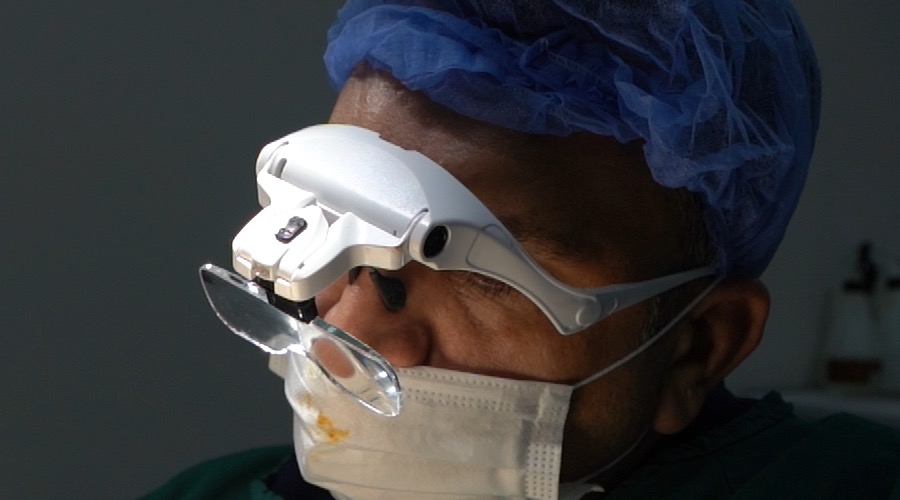
خلفية د. أرسلان المهنية وملف حالاته متاحة على صفحة عن Hairmedico.
التنبؤ الأكثر موثوقية المتاح
التنبؤ الأكثر موثوقية بنتيجة زراعة شعرك عند 12 شهراً ليس محاكاة بالذكاء الاصطناعي. بل هو مزيج من ثلاثة عناصر لا يمكن لأي خوارزمية أن تحل محلها بالكامل:
1. جراح لديه نتائج موثقة لحالات مشابهة: صور قبل/بعد لمرضى بنوع شعر ونمط تساقط وعدد طعوم مشابه، مُلتقطة عند نقاط زمنية مؤكدة عند 12 شهراً. هذا دليل تجريبي، وليس محاكاة.
2. معدل بقاء طعوم دقيق من ذلك الجراح تحديداً: عندما تعلم أن د. أرسلان يحقق معدل بقاء 95%+ في Hairmedico، يمكنك حساب الكثافة الفعلية المُحققة بدلاً من افتراض الرقم المتفائل للمحاكاة.
3. استشارة تتضمن تخطيطاً صريحاً للكثافة: كثافة مستهدفة لكل منطقة، وعدد طعوم مخطط لتحقيقها، وخطة توزيع عبر منطقة الاستقبال تمنحك رقماً يمكنك تقييمه مقابل نتائج مرضى مماثلة.
للاطلاع على أسعار باقات Hairmedico الشاملة وحجز الاستشارة، راجع hairmedico.com/ar/alasaar.
الأسئلة الشائعة
نعم. يُستخدم الذكاء الاصطناعي في رسم خرائط كثافة منطقة المانح بالتريكوسكوب، وتقدير عدد الطعوم من الصور، ومحاكاة تصميم خط الشعر رقمياً. في Hairmedico، يُعد التريكوسكوب المدعوم بالذكاء الاصطناعي جزءاً من عملية تخطيط Algorithmic FUE. لا يُستخدم الاستخراج الآلي (الروبوتي) — إذ يحقق أسلوب FUE اليدوي لدى د. أرسلان معدلات قطع أقل عبر جميع أنواع الشعر.
يمكن لأدوات المحاكاة بالذكاء الاصطناعي إظهار مواضع خط الشعر المقترحة على الصور، لكنها لا تستطيع التنبؤ بمعدل بقاء الطعوم الفعلي (يعتمد على جودة الجراح)، ولا بالكثافة الفعلية (تعتمد على قطر الشعر)، ولا بكيفية تفاعل النتيجة مع تساقط الشعر الأصلي مستقبلاً. إنها أدوات مساعدة لتوصيل التصميم، وليست ضمانات للنتيجة.
ليس في المستقبل المنظور. يضيف الذكاء الاصطناعي قيمة في تحليل البيانات (رسم خرائط الكثافة، عد الطعوم) لكنه لا يمكن أن يحل محل الحكم الجمالي اللازم لتصميم خط شعر طبيعي، ولا التكيف التقني المطلوب لأنواع الشعر المتنوعة، ولا التخطيط السريري طويل المدى الذي يراعي مسارات تساقط الشعر الفردية.
الأسئلة الشائعة
باقة Hairmedico الشاملة: ابتداءً من €2,600 — يُحدَّد وفق عدد الطعوم والتقنية والباقة المختارة.
نعم. البصيلات المزروعة مقاومة لهرمون DHT وتنمو بشكل دائم مدى حياة المريض.
العودة للعمل المكتبي: 5–7 أيام. تسقط القشور بحلول اليوم 10–14. نمو جديد من الشهر 3 إلى 5. النتيجة النهائية بين الشهر 12 و14.
في باقة VIP يقوم د. أرسلان مصبح شخصياً بكل خطوة — الاستخراج وفتح القنوات والزراعة. في باقة Gold يجري الاستشارة وفتح القنوات بنفسه، ويتولى فريق العيادة الطبي الخطوات الأخرى. في باقة Silver تُجرى العملية بالكامل من أطباء العيادة وفريقها الطبي. مريض واحد في اليوم في جميع الباقات.
نعم، في عيادة معتمدة بإشراف جراح. تحقق من عضوية FUE Europe وتسجيل وزارة الصحة، وتأكد أن الجراح يجري العملية بنفسه.
الأسئلة الشائعة
- . Practice census survey. 2022. https://www.fue-europe.com/professionals/resources/practice-census/
- Onda M et al. Follicular unit extraction: systematic review. J Plastic Surgery, 2020. https://doi.org/10.1016/j.bjps.2019.11.006
- Bernstein RM. Follicular unit transplantation. Dermatologic Clinics, 2013. https://doi.org/10.1016/j.det.2013.06.002
- Cranwell W, Sinclair R. Male androgenetic alopecia. Endotext NCBI, 2023. https://www.ncbi.nlm.nih.gov/books/NBK278957/
- NHS. Hair loss treatment overview. National Health Service UK, 2024. https://www.nhs.uk/conditions/hair-loss/
جميع المراجع هي منشورات طبية محكّمة أو إرشادات من جهات صحية رسمية. لا تتضمن أي مصادر تجارية.
د. أرسلان مصبح
- عضو كامل في FUE Europe
- معتمد من وزارة الصحة
- محاضر في جامعة ليون 1
- أكثر من 17 عاماً · أكثر من 3,000 حالة
- مريض واحد في اليوم