
Av alle spørsmålene en hårtransplantasjonspasient bør stille før bestilling, er dette det viktigste: Hvem kommer faktisk til å operere? Ikke hvem klinikken navngir på nettsiden. Ikke hvem som er avbildet i før/etter-bildene. Hvem holder instrumentene når folliklene dine tas ut og kanalene dine åpnes – og hvem setter inn graftene dine, under hvem sitt tilsyn?
To helt forskjellige modeller
Hårtransplantasjonsbransjen opererer etter to grunnleggende ulike modeller, og pasienter vet sjelden hvilken de har bestilt før de står i klinikken.
Modell A: Kirurgledet (Hairmedico)
Den navngitte kirurgen utfører personlig trinnene som avgjør resultatet – sentrale deler av inngrepet – og er fysisk til stede og aktivt opererende gjennom hele inngrepet. Hos Hairmedico betyr det at dr. Arslan Musbeh selv åpner hver kanal i Gold- og VIP-pakken, og utfører i tillegg hver ekstraksjon i VIP-pakken. I VIP-pakken setter han også inn hver graft selv; i Silver- og Gold-pakkene setter hans erfarne team inn graftene under hans direkte tilsyn i operasjonsrommet. Én pasient om dagen – ingen andre pasienter som konkurrerer om kirurgens tid.
Modell B: Teknikerledet (de fleste høyvolumklinikker)
Den navngitte kirurgen kan være til stede under konsultasjonen, tegne hårlinjen og kanskje være der de første minuttene av inngrepet. Ekstraksjon, kanalåpning og innsetting utføres av teknisk personale – ikke lisensierte leger. Kirurgen «fører tilsyn» i generell forstand mens han eller hun opererer andre pasienter i tilstøtende rom.
Begge modellene er lovlige etter tyrkisk regelverk. Modell A gir gjennomgående bedre resultater på hvert eneste målbare kvalitetsmål. For å vite hvilken modell du bestiller, må du stille ett konkret spørsmål – direkte.
Før vi går inn på hvem som opererer, hjelper det å vite nøyaktig hva hårtransplantasjonskirurgi innebærer – da blir det tydelig hvorfor operatøren betyr så mye.
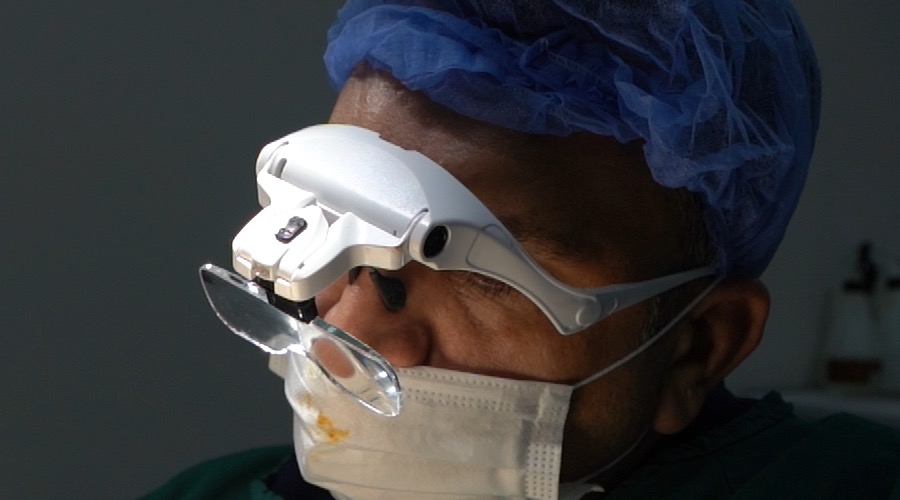
Hvorfor det betyr noe: de kliniske bevisene
Transeksjonsrate: Andelen follikler som skades permanent under ekstraksjonen. Erfarne kirurger: 2–5 %. Utilstrekkelig opplærte teknikere: 10–30 %. I en økt på 3 000 graft er forskjellen mellom 3 % og 20 % transeksjon 510 permanent ødelagte graft – graft som aldri vil gi hår, uansett hvor mange som ble lovet.
Kanalåpning: Vinkelen, retningen og dybden på mottakerkanalene avgjør om resultatet ser naturlig eller kunstig ut – og låser samtidig posisjonen for hver graft som senere settes inn. Dette krever estetisk skjønn og anatomisk utdanning som teknikere mangler. En vakkert naturlig hårlinje kan ikke lages ved å følge en mekanisk protokoll.
Hårlinjedesign: Enkelte klinikker delegerer hårlinjedesignet til «pasientkoordinatorer» uten medisinsk bakgrunn. Avgjørelsen om hvor hårlinjen din skal sitte og hvilken form den skal ha, påvirker utseendet ditt for resten av livet – den krever en leges estetiske skjønn og medisinske utdanning.
Komplikasjonshåndtering: Under inngrepet – uventet anatomi, uvanlige blødningsmønstre, variasjoner i follikkelgruppering – gjenkjenner og tilpasser en erfaren kirurg seg til dette i sanntid. Det kan ikke en tekniker.
Slik spør du – og hvilke svar du bør godta
Spørsmålet du bør stille hver klinikk: «Utfører dr. [navn] ekstraksjonen og kanalåpningen personlig – og hvem setter inn graftene, under hvem sitt tilsyn?»
Akseptable svar: «Ja, dr. [navn] utfører all ekstraksjon og all kanalåpning selv, og er til stede i rommet mens graftene settes inn.» Enda bedre er et svar som er ærlig om hva som varierer mellom pakkene – slik Hairmedico gjør det: dr. Arslan setter selv inn graftene i VIP; i Gold utfører han konsultasjon og kanalåpning selv; i Silver utfører teamet hele inngrepet. Be om bekreftelse skriftlig.
Uakseptable svar: «Dr. [navn] fører tilsyn med inngrepet.» / «Spesialistteamet vårt utfører operasjonen.» / «Dr. [navn] er til stede hele tiden.» Ingen av disse bekrefter hvem som faktisk holder instrumentene under ekstraksjon og kanalåpning.
Varselsignaler: Unnvikende svar. Beskrivelser av «team» uten å si hvem som gjør hva. Påstander om at «teknikerne våre er opplært til kirurgstandard» – ingen mengde opplæring gjør en ikke-lege til lege.
Dr. Arslan Musbehs fulle bakgrunn og personlige kirurgiske tilnærming er beskrevet på Om Hairmedico.
Fem kontrollspørsmål du bør stille før du bestiller
- «Utfører kirurgen ekstraksjonen personlig?» — Det er under ekstraksjonen transeksjonsskadene oppstår. Dette trinnet må utføres av kirurgen for maksimal graftoverlevelse.
- «Åpner kirurgen mottakerkanalene personlig?» — Kanalene avgjør hvor naturlig resultatet blir, og fastsetter vinkel, retning og dybde for hver graft. Dette er det estetisk mest kritiske trinnet.
- «Hvem setter inn graftene – og er kirurgen i rommet?» — Innsetting i ferdig åpnede kanaler kan utføres av et erfarent team, men bare under kirurgens direkte tilsyn. Godta ikke et svar der kirurgen «er tilgjengelig» fra et annet rom. Hos Hairmedico setter dr. Arslan inn graftene selv i VIP-pakken; i Silver og Gold gjør klinikkens erfarne medisinske team det.
- «Hvor mange pasienter behandler kirurgen per dag?» — Svaret avgjør om personlig utførelse av ekstraksjon og kanalåpning i det hele tatt er fysisk mulig.
- «Kan jeg møte kirurgen før jeg bestiller – ikke en koordinator?» — Tilgang til kirurgen før bestilling (via videosamtale eller ved oppmøte) bekrefter at han eller hun faktisk er tilgjengelig og engasjert.
Se detaljer om Hairmedicos alt-inkludert-pakker på hairmedico.com/price.
Ofte stilte spørsmål
Dr. Arslan Musbeh utfører personlig kanalåpningen i Gold- og VIP-pakkene. I VIP-pakken utfører han selv hvert steg; i Gold-pakken kun kanalåpningen; resten utføres av klinikkens erfarne team i Silver og Gold. Én pasient om dagen. Ingen teknikere utfører ekstraksjon eller kanalåpning.
At den navngitte kirurgen selv utfører de kirurgiske trinnene som avgjør resultatet – ekstraksjon og kanalåpning – og at eventuell innsetting av graft ved et team skjer under kirurgens direkte tilsyn, med kirurgen til stede i rommet. Ikke tilsyn på avstand. Ikke delegering av ekstraksjon eller kanaler.
Erfarne kirurger oppnår 2–5 % transeksjon mot 10–30 % for teknikere. De bringer et estetisk skjønn til kanalåpning og hårlinjedesign som teknisk personale ikke kan gjenskape.
I Tyrkia må alle hårtransplantasjoner skje under tilsyn av lege – men tilsyn krever ikke at legen opererer selv. At teknikere utfører ekstraksjon og innsetting under legetilsyn er teknisk sett lovlig. Om det gir resultater på nivå med kirurgutført kirurgi, er et annet spørsmål – og svaret er konsekvent nei.
Spør direkte: «Utfører den navngitte kirurgen ekstraksjon og kanalåpning personlig, og hvem setter inn graftene?» Be om skriftlig bekreftelse. Les pasientomtaler og se spesielt etter hvem som var til stede under operasjonen. «Dr. X var der hele tiden og gjorde ekstraksjonen selv» og «teamet var veldig profesjonelt» forteller to helt ulike historier.
Teknisk opplært personale kan utføre de mekaniske sidene ved ekstraksjonen med rimelig kompetanse, og kan sette inn graft i ferdig åpnede kanaler under kirurgens direkte tilsyn. Det de ikke kan, er å tilpasse teknikken til uvanlig anatomi i sanntid, designe naturlige hårlinjer ut fra estetisk og medisinsk skjønn, gjenkjenne og håndtere komplikasjoner, eller ta de hundrevis av mikroavgjørelsene under kanalåpningen som gir et naturlig resultat.
Ja, i høy grad. Tilstedeværelse og utførelse er to forskjellige ting. En kirurg som står i rommet mens teknikere gjør ekstraksjonen, gir minimal kvalitetssikring av ekstraksjonen – det er ikke kirurgen som tar de enkelte ekstraksjonsbeslutningene. Det er en helt annen situasjon enn når kirurgen selv har gjort ekstraksjonen og åpnet kanalene, og teamet setter inn graft i disse under kirurgens direkte tilsyn.
Prinsippet om én pasient om dagen gjør det fysisk mulig for kirurgen å lede hele inngrepet uten avbrytelser, og å følge innsettingen av graftene direkte – det finnes ingen annen pasient som krever oppmerksomhet, ingen konkurrerende timeplan, ingen grunn til å forlate rommet. Uten dette prinsippet er personlig utførelse operasjonelt umulig for en klinikk som behandler 6–8 pasienter samtidig.
- International Society of Hair Restoration Surgery. Practice census 2022. 2022. https://www.fue-europe.com/professionals/resources/practice-census/
- Onda M et al. FUE systematic review. J Plastic Surgery, 2020. https://doi.org/10.1016/j.bjps.2019.11.006
- Bernstein RM. Follicular unit transplantation. Dermatologic Clinics, 2013. https://doi.org/10.1016/j.det.2013.06.002
- Cranwell W, Sinclair R. Male androgenetic alopecia. Endotext NCBI, 2023. https://www.ncbi.nlm.nih.gov/books/NBK278957/
- NHS. Hair loss treatment overview. NHS UK, 2024. https://www.nhs.uk/conditions/hair-loss/
Alle referanser er fagfellevurderte medisinske publikasjoner. Ingen kommersielle kilder.
Dr. Arslan Musbeh
- FUE Europe Full Member
- Akkreditert av helsedepartementet
- Foreleser, Université Lyon 1
- 17+ års erfaring · 3 000+ tilfeller